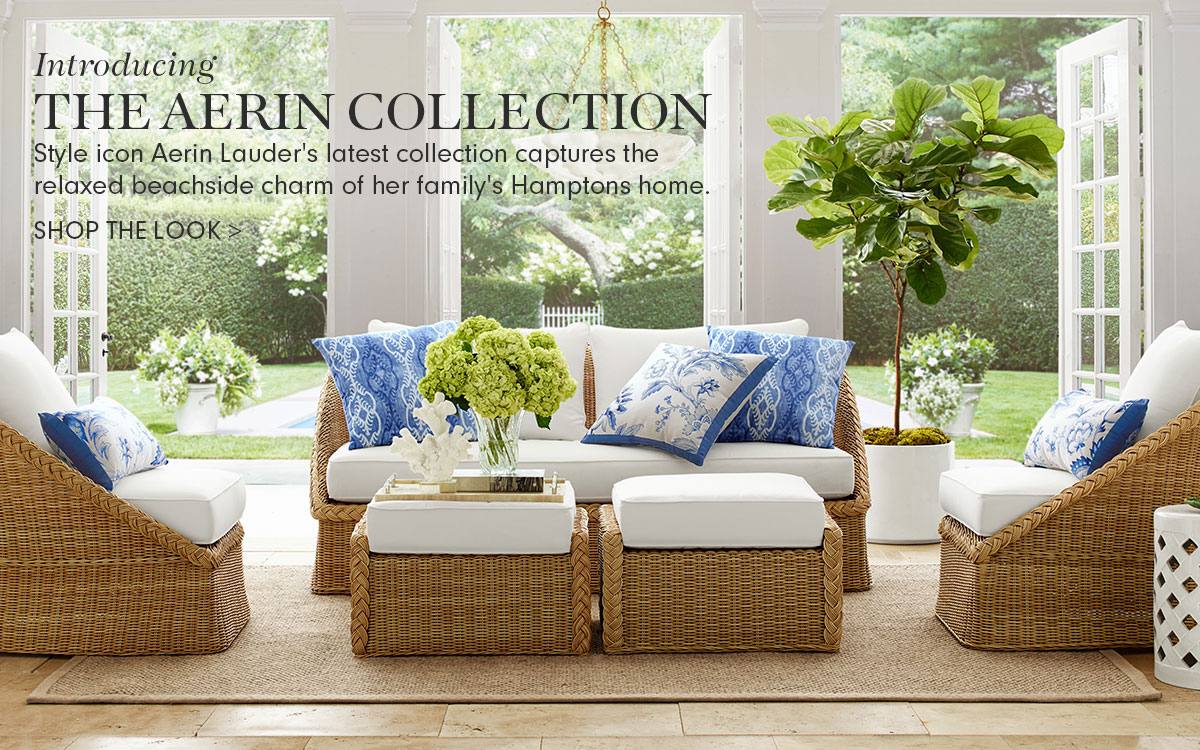
You’ve definitely sat on their couches. Or maybe you’ve just scrolled through their Instagram feeds while eyeing a mid-century modern coffee table that costs more than your first car. Most people know the names—Pottery Barn, West Elm, Rejuvenation—but they don't always realize they are all part of the same giant engine. We're talking about a furniture retailer owned by Williams-Sonoma, a company that basically dictates what the "American home" looks like in 2026.
It’s honestly kind of wild how one corporation can own so much of the visual real estate in our living rooms. Williams-Sonoma, Inc. (WSI) isn't just a place to buy fancy spatulas. It’s a portfolio. It’s a strategy. It's a massive logistics machine that manages to sell $3,000 sectional sofas to suburban families and $400 task lamps to city dwellers at the exact same time.
The story here isn't just about furniture. It's about how a single entity became the gatekeeper of taste.
The Multi-Brand Strategy: Why One Furniture Retailer Owned by Williams-Sonoma Isn't Enough
If you walk into a Pottery Barn, you get a very specific vibe. It’s "upscale farmhouse meets coastal grandma." It smells like a specific scented candle—usually salted caramel or something involving cedar. But if you walk two stores down into a West Elm, the music is louder, the legs on the chairs are skinnier, and the target demographic is about ten years younger.
This isn't an accident.
Williams-Sonoma is the parent. They are the umbrella. Under that umbrella, they’ve meticulously curated a list of brands that compete with each other just enough to keep things interesting, but not enough to hurt the bottom line.
- Pottery Barn: The steady workhorse. It focuses on "livable luxury." If you have kids or a golden retriever, you’re buying a slipcovered sofa here.
- West Elm: The design-forward sibling. It’s where the company tests trends. Think brass finishes, velvet fabrics, and FSC-certified woods.
- Williams Sonoma Home: This is the high-end stuff. It’s the brand you go to when you want the "European villa" look without actually flying to Italy.
- Rejuvenation: A brilliant acquisition from 2011. It focuses on lighting and hardware with a "restoration" feel. It’s the "maker" brand of the group.
The clever part? They share a back-end. The same shipping containers, the same digital infrastructure, and often the same supply chain sources. They’ve basically mastered the art of "segmentation." By owning a furniture retailer owned by Williams-Sonoma in every major style category, they ensure that no matter your aesthetic, your money stays in their ecosystem.
The Quality Debate: Is It Actually Worth the Price?
Let's get real for a second. There is a lot of noise online about the quality of furniture from these "Big Box" luxury brands. You’ll find Reddit threads with 500 comments debating whether a West Elm "clunky" sofa is better than an IKEA one.
Honestly, the answer is usually found in the materials.
Williams-Sonoma brands have shifted heavily toward "Greenguard Gold" certification. They’ve realized that people in 2026 care deeply about off-gassing and indoor air quality. If you buy a bed from Pottery Barn, there’s a high chance it’s made with sustainably sourced wood. They’ve leaned into the "Contract Grade" label too. That’s a fancy way of saying "this chair is built to withstand a lobby in a busy hotel, so it can definitely handle your toddler."
But here is the nuance: price doesn't always equal immortality.
A $2,000 sofa from a furniture retailer owned by Williams-Sonoma is generally made with kiln-dried hardwood frames. That’s good. It means the wood won’t warp over time. However, you're also paying for the branding, the massive catalogs, and the prime real estate in high-end malls. Critics often point out that "hand-built" boutique furniture at the same price point might use superior joinery. But the boutique won't have the 10-year warranty or the massive customer service department that WSI provides.
It's a trade-off. Convenience and "look" vs. pure heirloom craftsmanship.
The Digital Transformation (or, Why You Keep Seeing Their Ads)
Williams-Sonoma is secretly a tech company. Well, not secretly, but they talk about it a lot in their earnings calls. While other retailers were dying during the mid-2010s, WSI doubled down on e-commerce.
They were early adopters of Augmented Reality (AR).
You’ve probably used the "View in My Room" feature on their apps. It uses your phone's camera to drop a digital version of a rug onto your actual floor. It’s remarkably accurate. This tech reduced their return rates significantly because, turns out, people are much more likely to keep a rug if they already know it doesn't clash with their curtains.
They also own a company called Outward, Inc. This is a 3D imaging firm they bought for over $100 million. Why? So they could create high-fidelity digital renders of every single product. This allows them to swap out fabrics on a digital sofa in milliseconds. They don't have to photograph 50 different versions of the same chair; they just render them.
That’s why the website looks so clean. Everything is perfectly lit. Always.
Sustainability and the "Good Trade"
One of the more impressive things about a furniture retailer owned by Williams-Sonoma—particularly West Elm—is their commitment to Fair Trade.
They were the first home retailer to join Fair Trade USA.
They’ve poured millions into ensuring that the artisans in India or Vietnam making their rugs and baskets are getting paid a living wage. They also have a massive goal to plant 6 million trees by the end of this decade. It’s easy to be cynical about corporate "greenwashing," but in the world of fast furniture, WSI is actually doing more than most of their competitors. They recognize that the modern consumer—especially Gen Z and Millennials—will literally boycott a brand if they find out the supply chain is messy.
They’ve made "ethical sourcing" a core part of the brand identity. It’s not just a footnote; it’s on the front page of the catalog.
Breaking Down the "Aspiration"
Why do we buy this stuff?
Because the Williams-Sonoma brands sell a version of a life that feels attainable but just slightly out of reach. It’s the "aspirational" middle class. Their catalogs are basically mood boards for how we wish we lived. No clutter. Perfect lighting. A bowl of lemons on the counter that no one ever actually eats.
They’ve mastered the "lifestyle" aspect of retail.
When you buy a dining table from a furniture retailer owned by Williams-Sonoma, you aren't just buying a slab of wood with four legs. You're buying the idea of a Thanksgiving dinner where no one argues about politics. You're buying the idea of a Sunday morning with perfect espresso and a linen duvet.
It’s psychological. And it works.
Real World Concerns: Shipping and Lead Times
If there is a "villain" in the Williams-Sonoma story, it’s the logistics of the 2020s.
We've all heard the horror stories. You order a sofa in October, and it arrives in... June. While the supply chain has largely stabilized by 2026, the "custom" nature of their business still causes friction. If you choose a "Ready to Ship" fabric, you'll have your chair in two weeks. If you choose a "custom performance velvet," you’re going to be waiting.
People often get frustrated because the communication between the local store and the warehouse can feel disjointed. The person selling you the table in the mall has zero control over the ship stuck in the port of Long Beach.
Pro Tip: Always check the "In-Stock" filters on their websites. If you need a bed by next Tuesday, don't look at the custom options.
Actionable Steps for the Smart Shopper
If you’re looking to furnish your home using a furniture retailer owned by Williams-Sonoma, don't pay full price unless you absolutely have to. Here is how you actually navigate this ecosystem:
- The "Key" Rewards Program: This is a no-brainer. It’s free. You get 2-5% back in rewards across all their brands. If you buy a couch at West Elm, you can use the rewards to buy a toaster at Williams-Sonoma.
- The Floor Model Secret: Walk into the physical stores on a Tuesday or Wednesday morning. Often, they are clearing out floor models to make room for new seasonal displays. You can sometimes snag a $2,500 dining table for $800 because it has a tiny scratch on the underside.
- The Outlet Centers: There are actual Pottery Barn and West Elm outlets. They aren't just "discount stores"—they are dumping grounds for overstock. The prices are often 50-70% off. It’s worth a two-hour drive.
- Open Box Online: Check the "Clearance" sections of their websites religiously. They often have "Open Box" deals where someone returned an item simply because it didn't fit through their door. It’s brand new, but significantly cheaper.
- Wait for the Big Four: The best sales always happen during Memorial Day, Labor Day, Black Friday, and the "White Sale" in January (mostly for bedding and towels).
Ultimately, Williams-Sonoma has succeeded because they realized that furniture isn't just utility. It's an extension of identity. Whether you love the "Modern Organic" look of West Elm or the "Traditional Professional" vibe of Pottery Barn, you're participating in a very carefully constructed retail experiment.
It’s a world of performance fabrics, kiln-dried wood, and very, very expensive candles. And honestly? Most of us are perfectly happy to live in it.
To get the most out of your next purchase, start by auditing your current space for "high-traffic" versus "low-traffic" areas. Invest in the kiln-dried, performance-fabric items for your living room where you actually spend time, and look for the aesthetic "open box" deals for the guest rooms or accents where durability matters less. Verify the "Greenguard Gold" status on any nursery furniture to ensure the highest safety standards for your home.