You know that feeling when a movie just sticks to your ribs? Not because it’s a masterpiece of high cinema, but because it feels like home? For a huge chunk of us, that feeling is tied directly to the Rodgers and Hammerstein Cinderella movie.
But here’s the thing: which one are we even talking about?
Most people jump straight to the 1997 Brandy and Whitney Houston version. It’s the one that basically broke the internet before the internet was really a thing. But this musical has a weird, sprawling history that started long before Brandy put on those glass slippers. It’s the only musical Richard Rodgers and Oscar Hammerstein II ever wrote specifically for television. They didn't want Broadway. They wanted the living room.
The 107 Million Viewer Mystery
Back in 1957, Julie Andrews—fresh off her success in My Fair Lady—starred in the very first live broadcast. Honestly, the numbers are hard to wrap your head around. About 107 million people tuned in. To put that in perspective, that was over 60% of the entire U.S. population at the time.
It was a massive gamble for CBS. They spent $376,000 on it, which was a fortune in the fifties.
Because it was live, things were... chaotic. They were shoved into a tiny studio in New York, CBS Studio 72. We're talking 56 performers, 33 musicians, and four massive color cameras all fighting for space. One of those cameras actually died during the live feed. Julie Andrews didn't have an understudy. Rodgers famously said that if Julie couldn't do it, they just wouldn't have a show.
The weirdest part? For decades, people thought the color footage was lost forever. We only had these grainy black-and-white kinescopes—basically a film camera pointed at a TV screen. It wasn't until 2002 that a better version was found, but the "live" energy of that night is something you just can't recreate.
Why the 1965 Remake Became the "Standard"
If you grew up in the 70s or 80s, your Rodgers and Hammerstein Cinderella movie was probably the 1965 version with Lesley Ann Warren.
Why? Because it was filmed on videotape.
Unlike the Julie Andrews version, which was a "one-and-done" event, CBS could replay the 1965 version every year. It became an annual tradition. Lesley Ann Warren was only 18 when she got the part. She was so nervous during "In My Own Little Corner" that the director had to tell her to stop crying because they couldn't understand the lyrics.
This version feels a bit more "fairytale-ish" and less like a stage play. It added songs that were originally cut from other Rodgers and Hammerstein hits, like "Loneliness of Evening" (which was supposed to be in South Pacific). It’s charming, sure, but it’s also very much a product of its time—very white, very traditional, and a little bit stiff by today’s standards.
The 1997 Revolution: Brandy, Whitney, and Color-Blind Casting
Then came 1997. This is the one that really changed the game.
Whitney Houston originally wanted to play Cinderella herself back in the early 90s, but the project got delayed so many times that she eventually felt she’d outgrown the "ingenue" vibe. Instead of scrapping it, she stepped into the Fairy Godmother role and hand-picked Brandy to lead.
This wasn't just another remake. It was a $12 million production—the most expensive TV movie ever at that point.
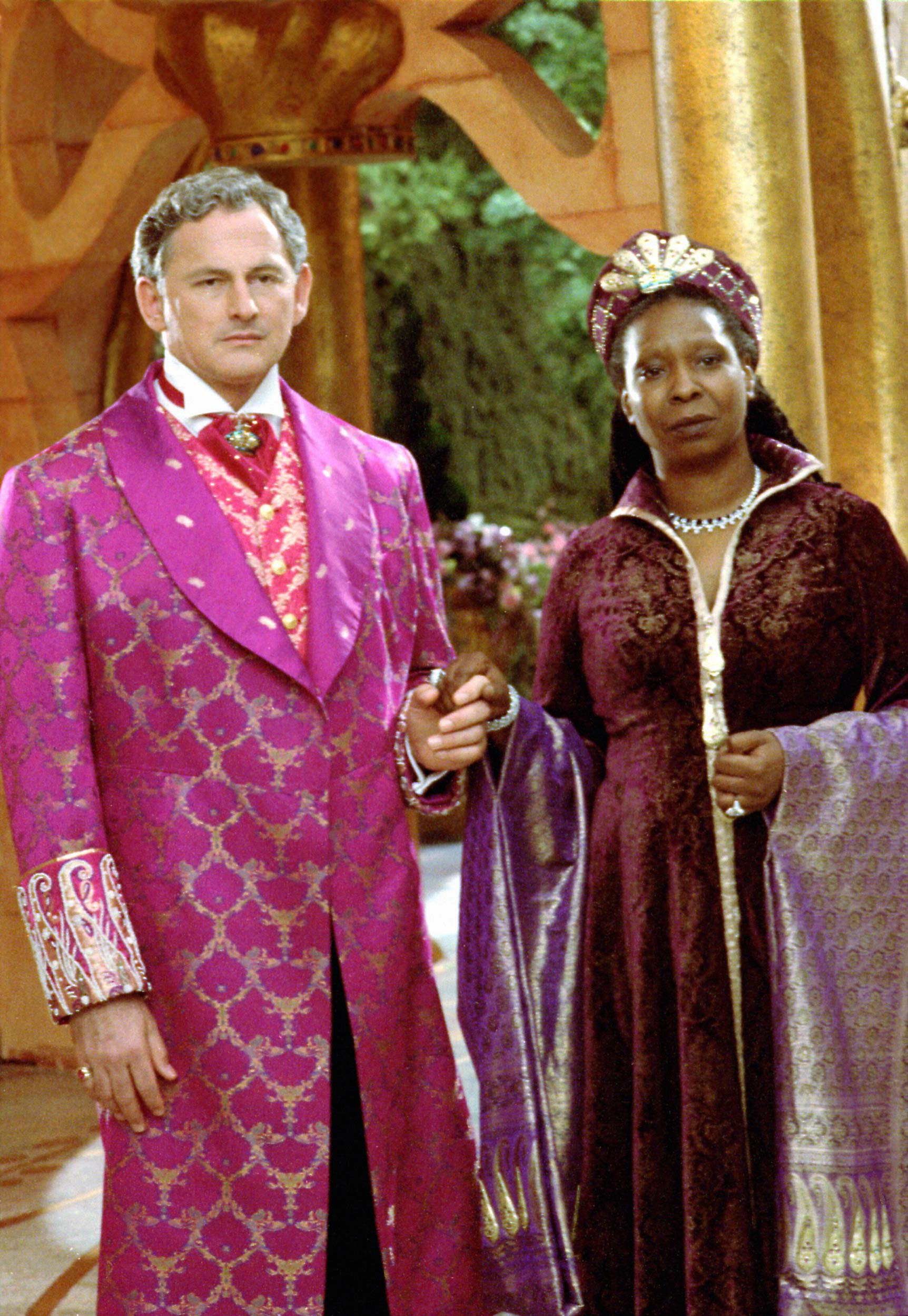
The casting was revolutionary. You had a Black Cinderella, a white King (Victor Garber), a Black Queen (Whoopi Goldberg), and a Filipino Prince (Paolo Montalbán). They didn't explain it. They didn't make a "point" about it in the script. They just did it. It’s called color-blind casting, and in 1997, it was a massive deal.
What most people get wrong about the 1997 version
People think the music is exactly the same, but it's really not. The producers "pop-ified" the arrangements. They added synthesizers and electric bass to give it a 90s R&B soul. They also pulled in "The Sweetest Sounds" from Rodgers' later work No Strings to give the Prince and Cinderella a better introductory duet.
Honestly, it works. The chemistry between Brandy and Whitney is electric, and Bernadette Peters as the Stepmother? Absolutely iconic. She brought a Broadway campiness that the earlier versions lacked.
Comparing the Three: Which One Should You Watch?
If you're trying to decide which Rodgers and Hammerstein Cinderella movie to queue up, it really depends on what you're looking for:
- The 1957 Version: Watch this if you're a theater purist. Julie Andrews’ voice is flawless, and it feels like a time capsule of "Golden Age" television.
- The 1965 Version: Watch this for the nostalgia. It’s the "classic" storybook version. It feels safe, sweet, and very mid-century.
- The 1997 Version: This is the one that holds up best for modern audiences. It’s faster, funnier, and much more visually vibrant. Plus, the diversity makes the "everyone is invited to the ball" theme actually mean something.
The Broadway Twist
Wait, there's a fourth one? Sorta.
In 2013, the show finally made it to Broadway. But they changed the book (the script) significantly. Douglas Carter Beane wrote a new version where Cinderella is more of an activist. She helps the Prince realize that his Prime Minister is a corrupt jerk who's stealing land from the peasants.
Some people love the added depth; others think it’s a bit too "modern" for a fairytale. But it kept the Rodgers and Hammerstein name alive for a whole new generation of theater kids.
Actionable Next Steps for Fans
If you want to dive deeper into the world of this specific musical, here is how to actually find and enjoy them today:
- Stream the 1997 Version: It’s currently available on Disney+. It was a huge deal when it finally hit streaming in 2021 because of licensing issues, so take advantage of it.
- Hunt for the 1965 Kinescope: You can usually find clips or the full 1965 version on YouTube or DVD. It’s worth watching just to see Ginger Rogers (yes, that Ginger Rogers) playing the Queen.
- Check out the "Lost" Songs: Look up "Loneliness of Evening" or "There's Music in You" on Spotify. These weren't in the original 1957 broadcast but became staples of the movie remakes.
- Compare the "Transformations": Watch the gown transformation in each. In 1957, it was a simple camera cut. In 1997, it was a multi-million dollar CGI and practical effects extravaganza. It’s a cool way to see how movie magic evolved.
The Rodgers and Hammerstein Cinderella movie isn't just one film; it's a legacy of trying to make a 17th-century story feel relevant to whatever decade it happens to be in. Whether you prefer the crisp operatic tones of Julie Andrews or the R&B riffs of Brandy, the core message—that "impossible things are happening every day"—clearly isn't going out of style anytime soon.