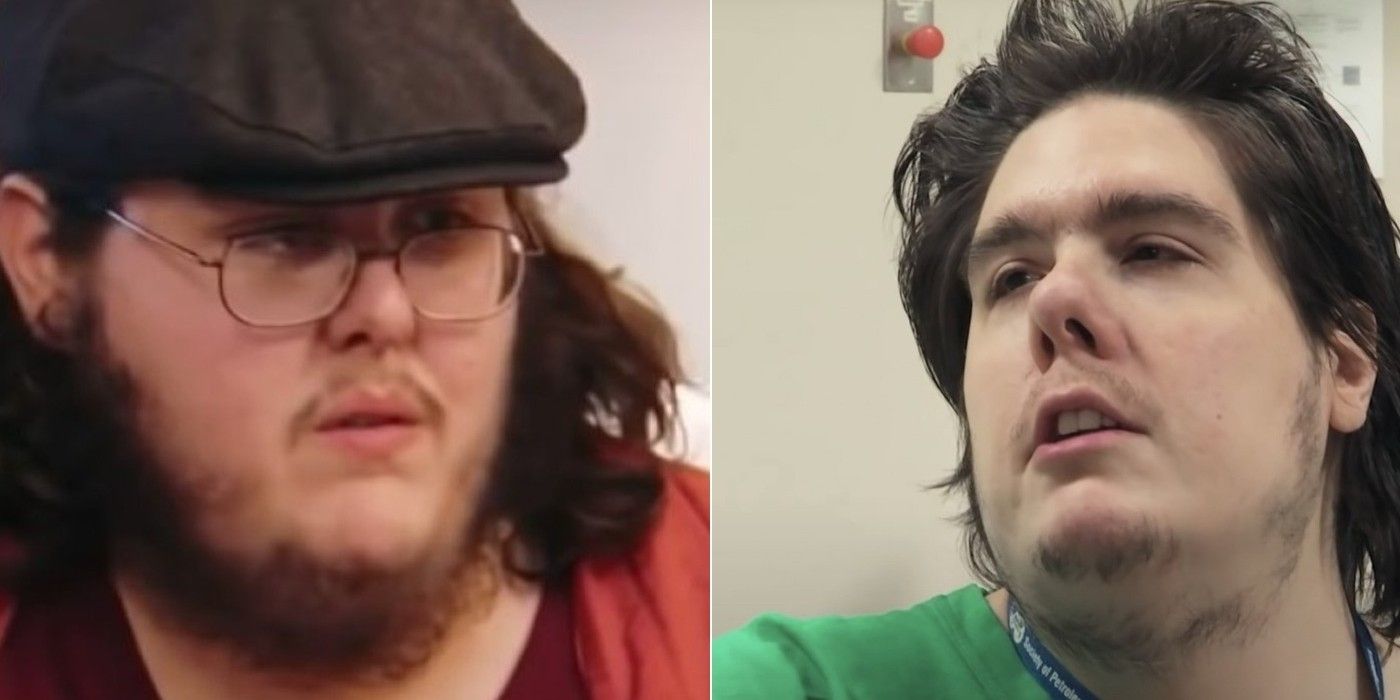
If you’ve ever fallen down the rabbit hole of reality TV, you know there are some episodes you just can’t shake. For fans of TLC, that episode—or rather, that saga—revolves around Steven Assanti. Honestly, calling his time on My 600-lb Life "memorable" feels like a massive understatement. It was chaotic. It was polarizing. At times, it was genuinely hard to watch.
He wasn't just another patient seeking surgery from Dr. Nowzaradan. Steven, along with his brother Justin, became the most talked-about participants in the show's history. But past the TV edits and the shouting matches, what's actually the truth? People still search for his name every single day because his story feels unfinished.
Let's get into the weeds of what happened during those filming years and where the dust has settled today.
The Reality of the Assanti Brothers on My 600-lb Life
When Steven first appeared in Season 5, the scale hit nearly 800 pounds. That’s a heavy number, both physically and emotionally. The show didn't hold back on showing his behavior, which many viewers found manipulative or even abusive toward hospital staff and his own father. He was kicked out of a hospital for ordering pizza. He famously threw tantrums that pushed Dr. Nowzaradan to his absolute limit.
But there’s a nuance here that often gets lost in the social media comments.
Steven wasn't just "difficult." He was struggling with a profound addiction—not just to food, but to painkillers. Dr. Nowzaradan, who has seen it all, eventually had to address the elephant in the room: you can’t fix a weight problem when there’s an untreated substance abuse problem fueling the fire. It was one of the few times in the series where we saw the medical side of the show pivot so drastically into addiction counseling and tough-love intervention.
The Dynamic with Justin Assanti
You can't talk about Steven without mentioning Justin. The brothers couldn't be more different. While Steven was loud and took up all the oxygen in the room, Justin was quiet, withdrawn, and clearly traumatized by their shared upbringing. Justin has been quite vocal on platforms like Reddit over the years, clarifying that the "sibling rivalry" wasn't just for the cameras. It was a lifetime of friction.
Justin eventually opened a hobby shop in Rhode Island, distancing himself from his brother's shadow. He’s told fans that he prefers to keep his life private these days, mostly because the association with the show brought more stress than it was worth. It’s a reminder that "reality" stars are real people who have to live with the footage long after the cameras stop rolling.
The Surgery and the Aftermath
Eventually, Steven did undergo weight loss surgery. It wasn't a smooth ride. Unlike some success stories where the patient loses 400 pounds and runs a marathon, Steven’s progress was jagged. He lost weight, gained some back, and constantly battled the restrictions of the diet.
By the time the Where Are They Now? episodes aired, Steven had undergone a massive physical transformation, but the behavioral issues seemed to linger. This is the part most people get wrong about weight loss surgery: it fixes the stomach, not the mind. Steven’s journey is a textbook example of why psychological clearance is so vital in bariatric medicine. If the underlying trauma or personality disorder isn't addressed, the surgery is just a temporary fix.
Life After the TLC Cameras
Then came the surprise. Steven got married. In 2018, he wed Stephanie Gibb, a massage therapist from Iowa. This sent the internet into a tailspin. People couldn't understand how the man they saw on TV found a partner willing to navigate that lifestyle. Stephanie defended him in several interviews, claiming that the "TV Steven" was a character or at least a highly exaggerated version of his worst moments.
She told InTouch Weekly back then that he was a "gentleman" and nothing like the person portrayed on screen. It makes you wonder about the "Franken-biting" and editing tricks used in reality production. While his actions—like falling off a golf cart or yelling at nurses—happened, the context of his daily life might have been missing.
Why We Are Still Obsessed With the Assanti Saga
Why does Steven Assanti still trend in 2026? It’s because he represents the "villain" archetype in a genre that usually focuses on redemption. We want to see people succeed, but we also can't look away from the train wreck.
There's also the "Dr. Now" factor. The tension between a world-renowned surgeon and a patient who refuses to follow the rules creates a unique kind of drama. It’s the ultimate battle of wills. For many, watching Steven was a way to process their own frustrations with family members who struggle with addiction or obesity. He became a vessel for those complicated emotions.
Current Status: Health and Rumors
Rumors about Steven’s death have circulated roughly every six months for the last several years. Social media is notorious for this. As of the most recent reliable updates, Steven is still alive, though he keeps a much lower profile than he used to. He occasionally surfaces on social media or video shout-out platforms, looking significantly different than he did at 800 pounds, but he is clearly still dealing with the long-term effects of extreme obesity.
His relationship with his father, Steven Sr., also remains a point of interest. His father was the one who funded much of his lifestyle and bore the brunt of his outbursts. It’s a classic enabling dynamic that many psychologists have used as an unofficial case study in how not to handle an adult child with an addiction.
Lessons Learned from the Case of Steven Assanti
If you're looking for a "happily ever after," this isn't really that kind of story. It's a grit-and-teeth kind of story. There are a few things we can actually take away from following his journey for nearly a decade:
- Weight loss is secondary to mental health. Without addressing the "why" behind the eating, the "how" of the surgery doesn't matter much.
- Reality TV is a snapshot, not a biography. While Steven’s behavior was documented, we only saw a few hundred hours of a life that spans decades.
- The toll on the family is permanent. Even if the weight comes off, the relationships damaged during the process often stay broken. Justin and Steven’s estrangement is a testament to that.
- Internet fame is a double-edged sword. Being the "most hated" person on a popular show provides a platform, but it also makes it nearly impossible to live a normal life or find employment afterward.
What You Can Do Next
If you or someone you know is struggling with the same patterns seen in the Assanti episodes—specifically the combination of disordered eating and substance dependency—the path forward isn't just a diet.
- Seek Dual-Diagnosis Treatment: Look for clinics that specialize in both addiction and eating disorders simultaneously. Treating one without the other usually leads to a relapse in both.
- Establish Hard Boundaries: If you’re in the position of Steven Sr., consult with a therapist about "detaching with love." Enabling a lifestyle that leads to 800 pounds is often done out of a fear of losing the person, but it actually accelerates the process.
- Verify Before You Share: Before believing the latest "death hoax" or health update on TikTok, check reputable entertainment news outlets or the family’s direct social media. These stories are often used as clickbait for malicious sites.
Steven’s story is a heavy one. It’s a mix of medical marvel and human tragedy. Whether you view him as a victim of his own circumstances or a master of manipulation, his impact on the conversation around morbid obesity and reality television is undeniable. He changed how we look at the "ideal" patient and reminded us that the road to health is rarely a straight line. It's usually messy, loud, and incredibly complicated.
For those looking to understand the medical side better, researching the work of bariatric specialists who deal with high-risk behavioral patients can provide more context on why Dr. Nowzaradan took the specific steps he did. It wasn't just about the calories; it was about saving a man from himself.