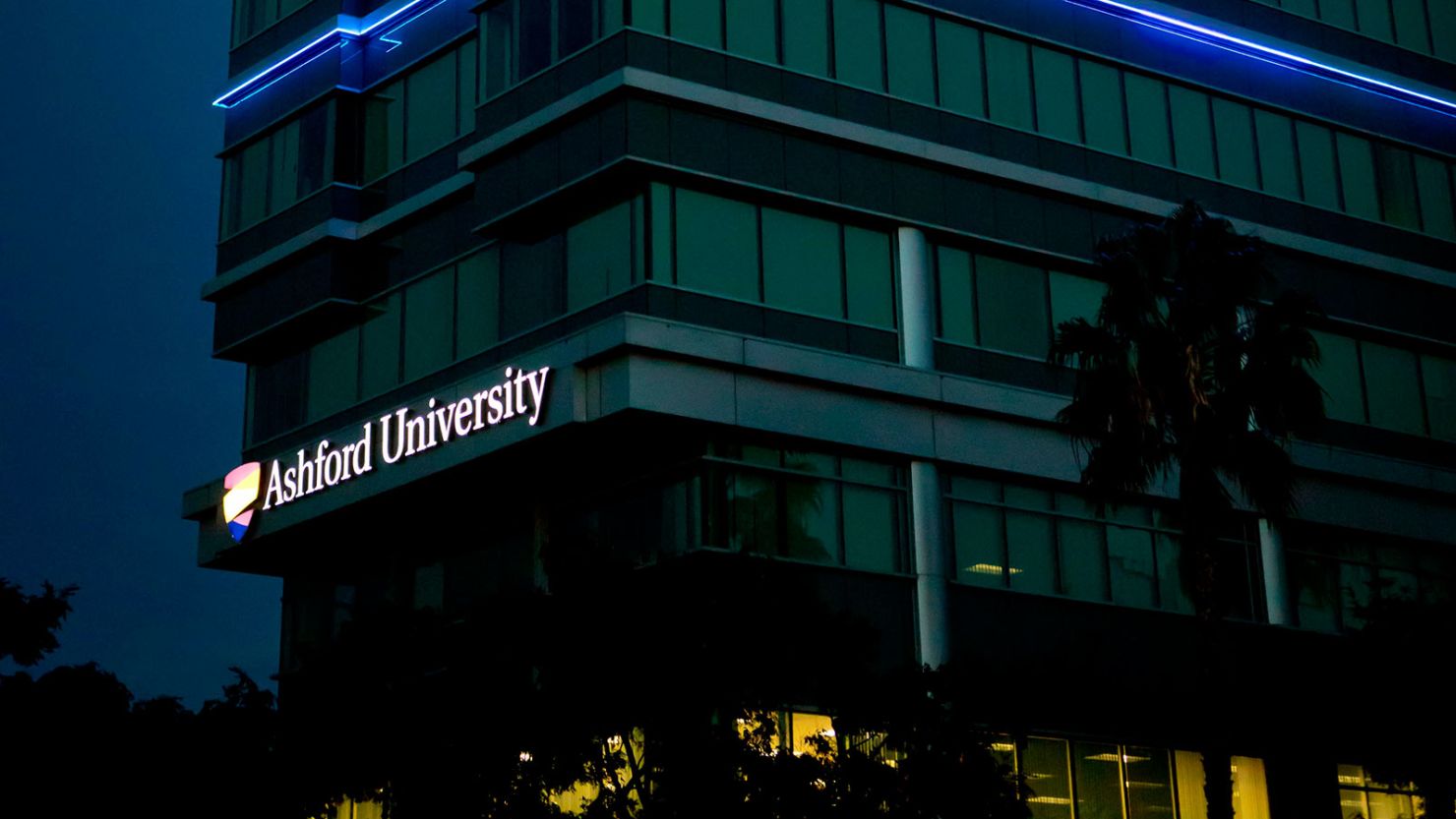
You’re probably sitting there with a mountain of debt from a school that doesn't even exist anymore. It’s frustrating. You were promised a career-ready degree from Ashford University, but instead, you ended up with a piece of paper and a balance that never seems to go down. Honestly, the whole situation is a mess.
But here is the good news: student loan forgiveness Ashford University is not just a pipe dream. It’s actually happening for thousands of people. In 2023, the Department of Education announced they would discharge $72 million in loans for borrowers who were essentially lied to. If you attended Ashford during specific years, you might be sitting on a golden ticket and not even know it.
The school rebranded to the University of Arizona Global Campus (UAGC) after years of legal heat. But the debt didn't just vanish with the name change. It stayed. It grew. Now, the government is finally admitting that the marketing tactics used by Ashford were, well, less than honest.
What Really Happened with the Ashford Lawsuit?
The California Attorney General, Rob Bonta, took Ashford and its parent company, Zovio, to task in a massive legal battle. They didn't just poke at them; they tore apart the school's recruiting tactics. The court found that Ashford’s recruiters were basically high-pressure salespeople. They misrepresented everything. They lied about how much money graduates would make. They lied about whether the degrees would help students get licenses in fields like teaching or nursing.
Imagine being told your degree will let you teach in your home state, only to find out after graduation that the program isn't accredited for licensure. That’s what happened.
The court ruled that Ashford had committed millions of violations of the law. This wasn't just a "oops, we made a mistake" situation. It was systemic. Because of this court ruling, the Department of Education was able to use something called Borrower Defense to Repayment. This is the primary vehicle for student loan forgiveness Ashford University students are using right now. It basically says that if your school misled you or broke state laws, you shouldn't have to pay back the federal loans you took out to go there.
Who Actually Qualifies for the Discharge?
Not everyone who ever clicked a link on Ashford's website gets a free pass. It's a bit more specific than that. Generally, the $72 million discharge targeted students who attended Ashford between March 1, 2009, and April 30, 2020.
If you were enrolled during this decade-plus window, the Department of Education has likely already identified you. They looked at the evidence from the California Department of Justice and realized the deception was widespread.
But wait.
What if you haven't heard anything yet? Does that mean you’re out of luck? Not necessarily. While many discharges are happening automatically, some borrowers still need to be proactive. If you feel like you were misled about costs, transferability of credits, or job prospects, you need to look into filing an individual Borrower Defense claim.
Why Your Application Might Be Stuck
The "Sweet v. Cardona" settlement changed the game. If you were part of that class-action lawsuit, your Ashford loans should be on the way out. However, the system is slow. It’s bureaucratic. Sometimes, loans are held by different servicers (like Mohela or Nelnet), and the communication between the Department of Education and the servicer gets crossed.
If you have private loans? That’s a different, much uglier story. The federal forgiveness programs generally only apply to Direct Loans. If you took out a private loan to cover the gap at Ashford, you're currently fighting a much harder battle with banks that don't care about the California court ruling.
The Dirty Details of the Misrepresentations
Let's get specific about what the recruiters actually said, because this is what builds your case for student loan forgiveness Ashford University.
Recruiters were known to tell prospective students that their "financial aid would cover everything." That was a lie. Many students ended up with "out-of-pocket" costs they weren't expecting halfway through the semester.
Then there’s the "graduation rate" lie. Ashford recruiters would often brag about success stories while burying the fact that a massive percentage of students dropped out before finishing. They painted a picture of a prestigious institution, when in reality, it was a profit-generating machine for Zovio.
- They claimed credits would transfer easily to other universities. (They rarely did.)
- They promised "accelerated" paths that ended up taking longer and costing more.
- They downplayed the total cost of the degree by focusing on "monthly payments" rather than the total principal.
How to Handle Your Borrower Defense Application
If you haven't received an automatic discharge email, you need to go to StudentAid.gov. Don't wait.
When you fill out the Borrower Defense form, don't just say "the school was bad." Be surgical. You need to explain exactly what the recruiter told you and how it turned out to be false. If you have old emails, enrollment agreements, or even notes from your phone calls back in 2015, dig them up.
Specifics win cases.
Mention that you relied on their statements about job placement rates when deciding to enroll. Mention the specific career you wanted—like social work or teaching—and how the school told you the degree was sufficient, even though it wasn't.
What’s the Current Status of UAGC?
In 2020, the University of Arizona bought the campus. Well, "bought" is a loose term. They basically acquired the academic side while Zovio continued to manage the marketing for a while. Eventually, UAGC became a fully integrated part of the University of Arizona.
This creates a weird dynamic. If you’re a current student at UAGC, you're technically at a different, non-profit institution now. But if you’re an Ashford alum, your "prestige" is tied to a defunct brand. The good news is that the legal liability for Ashford's past sins didn't disappear just because the University of Arizona stepped in. The Department of Education is still holding the "Ashford" era accountable.
Practical Steps to Take Right Now
Stop paying? No. Never just stop paying your loans without an official notice of administrative forbearance or discharge. That will wreck your credit.
First, log into your Federal Student Aid (FSA) account. Check your contact information. If the Department of Education is trying to email you about your student loan forgiveness Ashford University status, they need your current email address. Thousands of people miss out because they’re still using an old Hotmail account from 2012.
Second, check your loan types. If you have "FFEL" loans (Federal Family Education Loans), they might not be eligible for automatic discharge unless you consolidate them into a Direct Consolidation Loan. This is a tricky step, though, because consolidating can sometimes change your interest rate or reset certain clocks. Consult with a professional or a reputable non-profit student loan advisor before pulling that trigger.
Third, look for the "Notice of Proposed Discharge" email. Search your inbox for "StudentAid.gov" or "Department of Education." If you find one, read it carefully. It will tell you if you need to do anything or if the process is already moving.
Lastly, stay skeptical of "debt relief" companies. If someone calls you and says they can get your Ashford loans forgiven for a $500 fee, they are scamming you. Everything you need to do can be done for free on the government website. These companies just take your money and fill out the same forms you can fill out yourself in twenty minutes.
The reality is that the Ashford saga is a cautionary tale of what happens when education becomes a commodity. But for once, the "little guy" has a real path to getting their money back. It takes patience and a bit of paperwork, but the door is open.
To get started, follow these exact steps:
- Verify your enrollment dates: Ensure you attended during the 2009-2020 window.
- Download your records: Get your transcripts and any financial ledgers from the UAGC portal while you still have access.
- Submit the Borrower Defense form: Go to StudentAid.gov and use the "California Attorney General" findings as your evidence base.
- Monitor your email: Watch for correspondence regarding the "Sweet v. Cardona" settlement or the specific Ashford group discharge.
- Check your credit report: Once you receive a discharge notice, it can take 60-90 days for the debt to disappear from your credit profile. Stay on top of it.