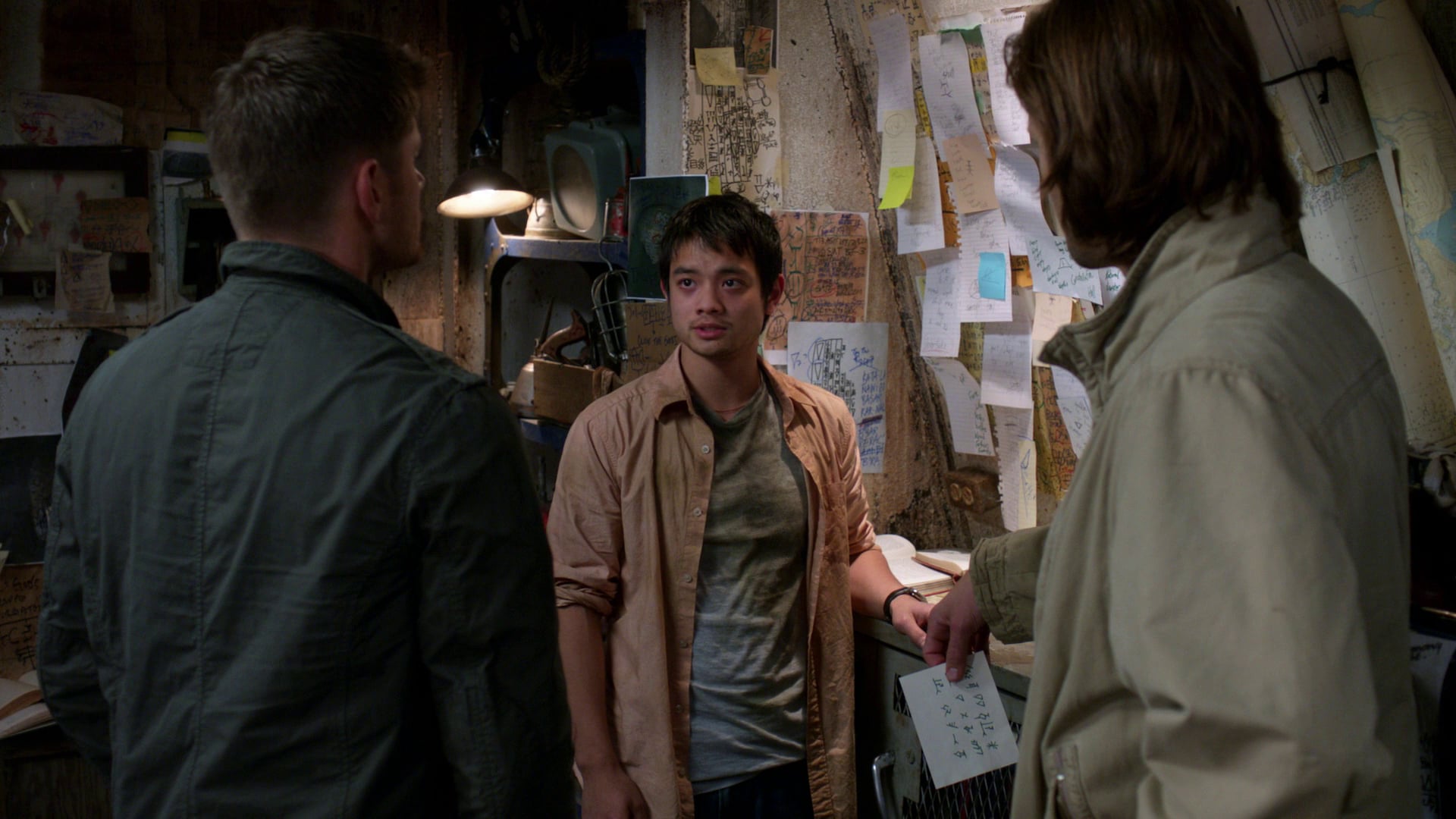
Honestly, by the time Supernatural hit its thirteenth year, most shows are just coasting on fumes. They’re recycling plots. They're bored. But Supernatural Season 13 episodes took a hard left turn that most of us didn't see coming. It wasn't just about the "family business" anymore; it was about parenthood, literal alternate dimensions, and the introduction of a Nephilim that could rewrite reality.
Jack Kline changed the chemistry. Some fans hated it at first, thinking a "kid" would ruin the Sam and Dean dynamic. They were wrong. Jack gave the show a reason to keep going when the typical "save the world" stakes were starting to feel a bit repetitive. We went from hunting ghosts in motels to navigating a post-apocalyptic wasteland where Bobby Singer was still alive, albeit a lot grumpier and better at guerrilla warfare.
Why Supernatural Season 13 Episodes Hit Different
The season starts in the immediate, bloody aftermath of Kelly Kline’s death and Castiel’s "demise." Look, we all knew Cas wasn't staying dead. This is Supernatural. But the grief felt real. Dean was broken. He was praying to a God who wasn't listening, which, as we eventually found out, was pretty much Chuck's brand.
Then came the "Apocalypse World." This wasn't just a "what if" scenario. It was a gritty, gray-toned nightmare that brought back fan favorites like Kevin Tran and Michael—though not the Michael we knew. Seeing a world where the Winchesters were never born was a stroke of genius by showrunner Andrew Dabb. It proved that Sam and Dean weren't just guys who hunted things; they were the literal linchpins of the universe's stability.
The pacing of these episodes was intentionally erratic. One week you’re crying over a character's trauma, and the next you’re watching a cartoon crossover. It worked because the show stopped trying to be a prestige drama and embraced its own weirdness.
The Big Swing: Scoobynatural
You can’t talk about this season without mentioning episode 16. It’s arguably the most famous hour in the show's later years. It’s "Scoobynatural."
When the news first leaked that the Winchesters were going to meet the Mystery Inc. gang, the internet collectively rolled its eyes. It sounded like a desperate ratings grab. It wasn't. It was a love letter to both franchises. The writers managed to make a Scooby-Doo episode feel like a genuine Supernatural story by injecting real stakes and a bit of existential dread into the cartoon world. Seeing Dean’s obsession with Velma and the "logic" of a cartoon physics-defying world was pure gold.
It’s the highest-rated episode of the season for a reason. It showed that even 13 years in, the writers could still surprise us.
The Jack Factor and the Shift in Sam and Dean
Jack, played by Alexander Calvert, was a massive risk. Usually, adding a "new kid" to a long-running cast is the kiss of death. Think of it like a sitcom adding a new baby in season 8. It usually reeks of desperation.
But Jack worked because he wasn't a sidekick. He was a mirror. Through Jack, we saw Sam's empathy and Dean's trauma-induced cynicism play out in a new way. Sam saw a kid who deserved a chance—someone who wasn't born evil despite his lineage. Dean saw a ticking time bomb.
- Episode 1, "Lost and Found": This set the tone. It was raw.
- Episode 4, "The Big Empty": We got to see the cosmic "waiting room" for angels and demons. This expanded the lore significantly, introducing the Shadow.
- Episode 22, "Exodus": The logistics of moving an entire resistance force from one dimension to another was a messy, high-stakes finale setup.
The tension between the brothers regarding Jack’s safety (and the danger he posed) drove the emotional narrative of the first half of the season. It wasn't about a monster of the week; it was about whether nature or nurture wins. That’s a sophisticated theme for a show about guys who kill vamps.
The Return of the King (of Hell)
Well, sort of. Crowley was gone, and the vacuum he left was filled by Asmodeus. Honestly? Asmodeus was a bit of a polarizing figure. The white suit was a choice. Some fans loved the Southern Colonel vibe; others missed Mark Sheppard’s dry wit. But his presence allowed for the return of Gabriel.
Gabriel’s survival was a massive "I knew it!" moment for the portion of the fandom that never believed he died in season 5. His arc in Supernatural Season 13 episodes was tragic. He wasn't the Trickster anymore. He was a victim of torture, broken and silent, before finding his spark again. His eventual sacrifice in the rift felt earned, even if it was heartbreaking to lose him again so quickly. It added weight to the war against the alternate-universe Michael.
The Apocalypse World Arc: A Double-Edged Sword
While the "Other World" stuff was cool, it did have some flaws. The budget constraints sometimes showed. You have this epic, world-ending war, but it occasionally felt like twenty people in a forest in British Columbia.
However, the character work compensated for the lack of CGI armies. Seeing Mary Winchester find her own footing as a leader was vital. She had been struggling since her resurrection in season 12, feeling like a woman out of time. In the Apocalypse World, she found a purpose that didn't involve just being "the Winchesters' mom." She was a soldier.
Then there’s Lucifer. Season 13's version of Lucifer was desperate. Mark Pellegrino played him with this pathetic, needy energy that made him more dangerous than ever. He wasn't just trying to rule; he was trying to belong, specifically to Jack. The "Father of the Year" dynamic between a fallen archangel and a confused Nephilim was fascinating and deeply uncomfortable.
Essential Episodes You Can't Skip
If you're doing a rewatch or just catching up, these are the pillars of the season.
- Tombstone (Episode 6): It’s a classic Western-style episode. Dean gets to geek out over cowboys, and we get the return of Castiel. The joy in that reunion is one of the few pure moments in a very dark season.
- Wayward Sisters (Episode 10): This was the backdoor pilot for a spin-off that unfortunately never happened. Even if the show didn't get picked up, the episode remains a powerhouse, showcasing Claire, Jody, and the rest of the women who held down the fort while the boys were dimension-hopping.
- Beat the Devil (Episode 21): This is where everything hits the fan. It’s the journey into the heart of the Apocalypse World, featuring a very gross encounter with "vampire-wraiths."
The season finale, "Let the Good Times Roll," is a bit of a mixed bag for many. The fight scene between Michael-Dean and Lucifer involved some... questionable wire-work. It looked a bit like Peter Pan in a church. But the emotional payoff—Dean finally saying "yes" to Michael to save his family—was the cliffhanger we needed.
Practical Insights for Supernatural Fans
When diving back into Supernatural Season 13 episodes, it helps to keep a few things in mind regarding the show's internal logic and production.
- Watch the background: The set design for the Apocalypse World reused many locations from previous seasons but "grimed them up" to show the decay. It's a fun game for eagle-eyed viewers to spot old hunting grounds.
- Pay attention to the music: This season leaned heavily into synth-heavy scores for the Jack-centric scenes, separating his "vibe" from the classic rock atmosphere of the Winchesters.
- The Lore Expansion: This season officially introduced the concept of the "Cosmic Entity" and the Empty. This becomes crucial for the series finale in season 15, so pay close attention to the dialogue in "The Big Empty."
If you’re looking to understand the broader impact of this season, look at how it handled the theme of "chosen family." The Winchesters, Cas, and Jack became a literal four-person unit. It wasn't just two brothers in a car anymore. It was a father, two uncles, and a son trying to navigate a universe that wanted them all dead.
To get the most out of your viewing, try watching the "Wayward Sisters" episode immediately followed by the finale. It highlights the contrast between the world the Winchesters are trying to protect and the one they are desperately trying to escape. Understanding the stakes of the Apocalypse World makes the brothers' final sacrifices much more impactful.
The legacy of the thirteenth season isn't just about the monsters. It’s about the show proving it could evolve. It moved away from the "Heaven vs. Hell" binary and into something weirder, more multiversal, and ultimately more human. Whether you're in it for the Scooby-Doo cameos or the deep theological questions about the nature of God's neglect, these episodes represent a high-water mark for late-stage Supernatural.
Next, you can dive into the specific lore of the Nephilim or check out the production notes on how they filmed the animated sequences for "Scoobynatural." Both provide a much deeper appreciation for the technical hurdles the crew jumped over to make this season a reality.