So, you're heading to Taiwan. You've probably seen a few different abbreviations online and you're wondering which one is actually right. Is it TWD? Is it NTD? Or maybe just NT$? Honestly, it's all of them. But there is a bit more to it than just the name.
The official currency for Taiwan is the New Taiwan Dollar. If you are looking at a currency exchange board or your banking app, you will see the code TWD. In everyday life on the island, though, everyone calls it the NT dollar or just yuan.
The Basics of the New Taiwan Dollar (TWD)
Taiwan’s money has a pretty intense history. It was introduced back in 1949 to stop the hyperinflation that was happening after World War II. Basically, they replaced the "Old" Taiwan Dollar at a rate of 40,000 to 1. Imagine having to carry around forty thousand of anything just to get one new coin.
Today, the currency is incredibly stable. As of January 2026, the exchange rate has been hovering around $31.60 TWD to $1 USD. It fluctuates, sure, but it isn't the kind of currency that’s going to crash while you’re mid-flight.
You’ll deal with both coins and bills.
The bills come in 100, 500, and 1,000 denominations mostly. There are 200 and 2,000 dollar bills too, but they are sort of like the $2 bill in the US—you rarely see them, and some smaller shops might actually look at them twice because they aren't used to seeing them.
- NT$100: Red. Features Sun Yat-sen.
- NT$500: Dark brown. Has a youth baseball team on it (baseball is huge in Taiwan).
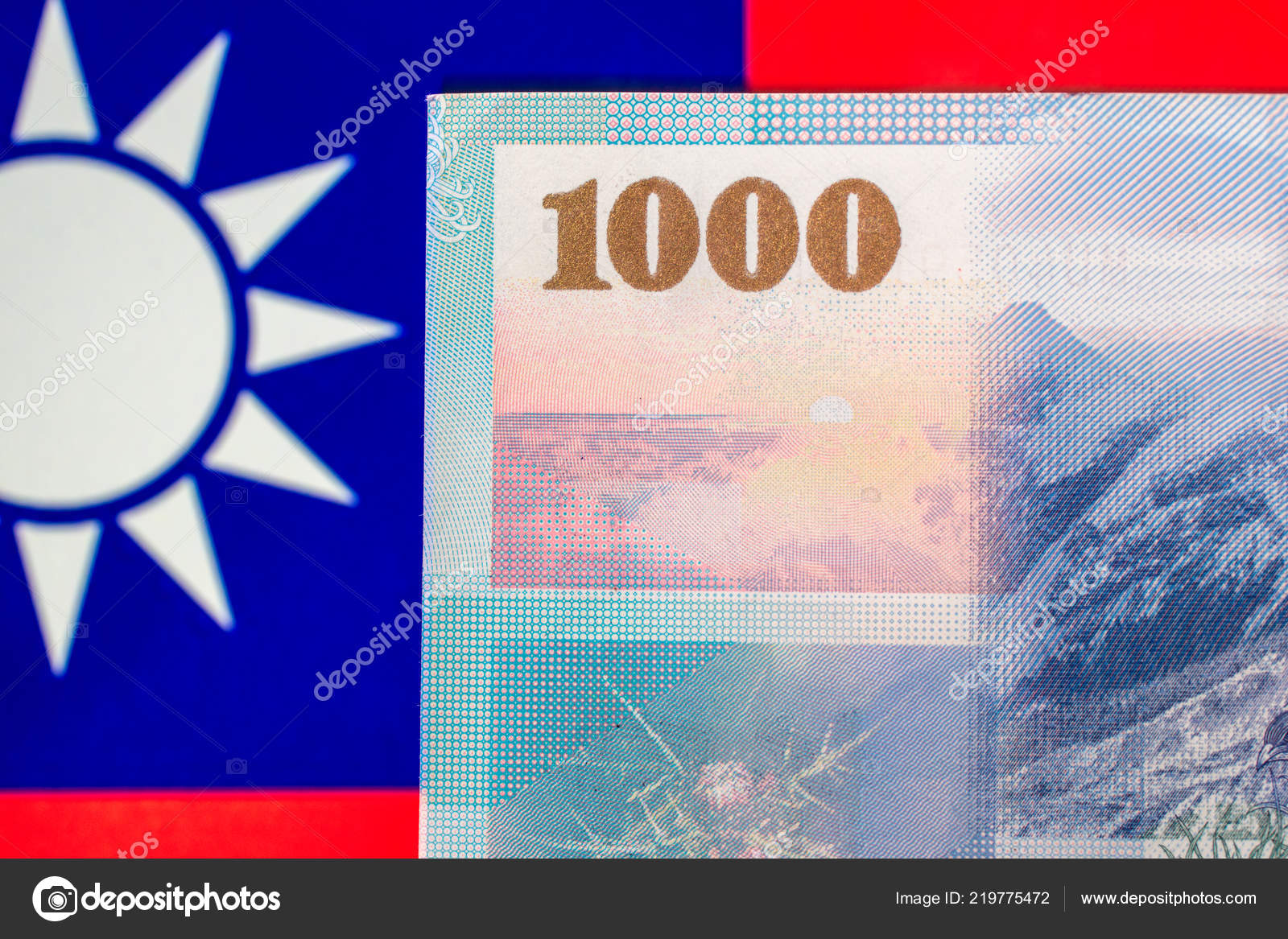
- NT$1,000: Blue. Features elementary school children and an image of Mikado pheasants.
Coins are equally straightforward. You’ve got the $1, $5, $10, and $50. The $50 coin is gold-colored and feels a bit heavier, while the $1 is tiny and mostly just ends up at the bottom of your bag.
Why TWD and NTD Both Exist
It’s kinda confusing. TWD is the ISO 4217 code. That’s what banks use. NTD stands for New Taiwan Dollar, which is the English name. Most locals just say kuài (which literally means "piece") when they are talking to you. If a vendor says "one hundred kuài," they just mean 100 NT dollars.
Where to Get Cash Without Getting Ripped Off
A lot of travelers worry about airport exchange rates. Usually, airport booths are a scam. In Taiwan? Not really. The exchange booths at Taoyuan International Airport (TPE) or Songshan Airport (TSA) are actually quite fair.
The Bank of Taiwan and Mega Bank run these booths. They charge a flat fee—usually around $30 TWD (which is less than a dollar USD)—and the rates are almost the same as what you’d get at a bank downtown. If you land at 2 AM and need cash for a taxi, just use the airport bank. It’s safe.
If you prefer ATMs, they are everywhere. Seriously.
Taiwan has the highest density of convenience stores in the world. You’ll find an ATM inside every 7-Eleven, FamilyMart, and Hi-Life. Most of these accept international cards like Visa and Mastercard.
Pro Tip: When the ATM asks if you want to use "their" conversion rate or your "home bank's" rate (this is called Dynamic Currency Conversion), always choose your home bank's rate. The ATM’s local conversion rate is almost always a worse deal.
Is Taiwan Still a Cash-Only Society?
Yes and no. It’s changing fast.
If you are at a big department store like SOGO or a high-end restaurant in Taipei 101, you can use your credit card or Apple Pay no problem. However, Taiwan's famous night markets? Cash is king.
Most street food vendors at places like Raohe or Shilin don't take cards. You’ll need those $100 bills for your pepper buns and stinky tofu. Small "hole-in-the-wall" beef noodle shops also tend to be cash-only.
Then there’s the EasyCard.
This is the "secret weapon" for anyone visiting. It's a stored-value card you can buy at any convenience store. You tap it to ride the MRT (subway), buses, and even the YouBike rentals. But here’s the kicker: you can also use it to pay at 7-Eleven, Starbucks, and many bakeries. You still have to top it up with cash, but it saves you from carrying a pocket full of heavy coins.
Tipping Etiquette and Taxes
You’ve probably heard this, but it’s worth repeating: Taiwan is not a tipping culture.
If you try to leave a tip at a local restaurant, the waiter might actually chase you down the street thinking you forgot your change. Some fancy restaurants will add a 10% service charge to the bill automatically, but you don't need to add anything on top of that.
Taxes are already included in the price you see on the tag. If a shirt says $500 TWD, you pay exactly $500 TWD. No mental math required.
Spotting Counterfeits and Special Features
Taiwanese banknotes are actually quite high-tech. If you hold a $1,000 bill up to the light, you’ll see a watermark of a chrysanthemum and the number 1000. There’s also a "security strip" that changes color from gold to green when you tilt it.
The Central Bank has been talking about a redesign lately to update some of the historical figures, but for now, the current versions are what you'll see. They even have braille-like raised marks on the edges to help people with visual impairments identify the bills. It’s pretty thoughtful.
Summary of Actionable Steps
If you are landing in Taiwan this week, here is exactly what you should do to handle your money like a local:
- Exchange $100 USD at the airport right after you clear customs. This covers your initial transport and a few meals.
- Buy an EasyCard at the airport's 7-Eleven or the MRT station. Put at least $500 TWD on it immediately.
- Carry a mix of bills. Keep $1,000s for big shops and plenty of $100s for street food and taxis.
- Use your credit card for hotels. Most major hotels and booking sites handle TWD transactions smoothly without extra fees if you have a travel-friendly card.
- Don't worry about the coins. If you end up with too much "shrapnel," just use it to top up your EasyCard at a machine in any subway station.