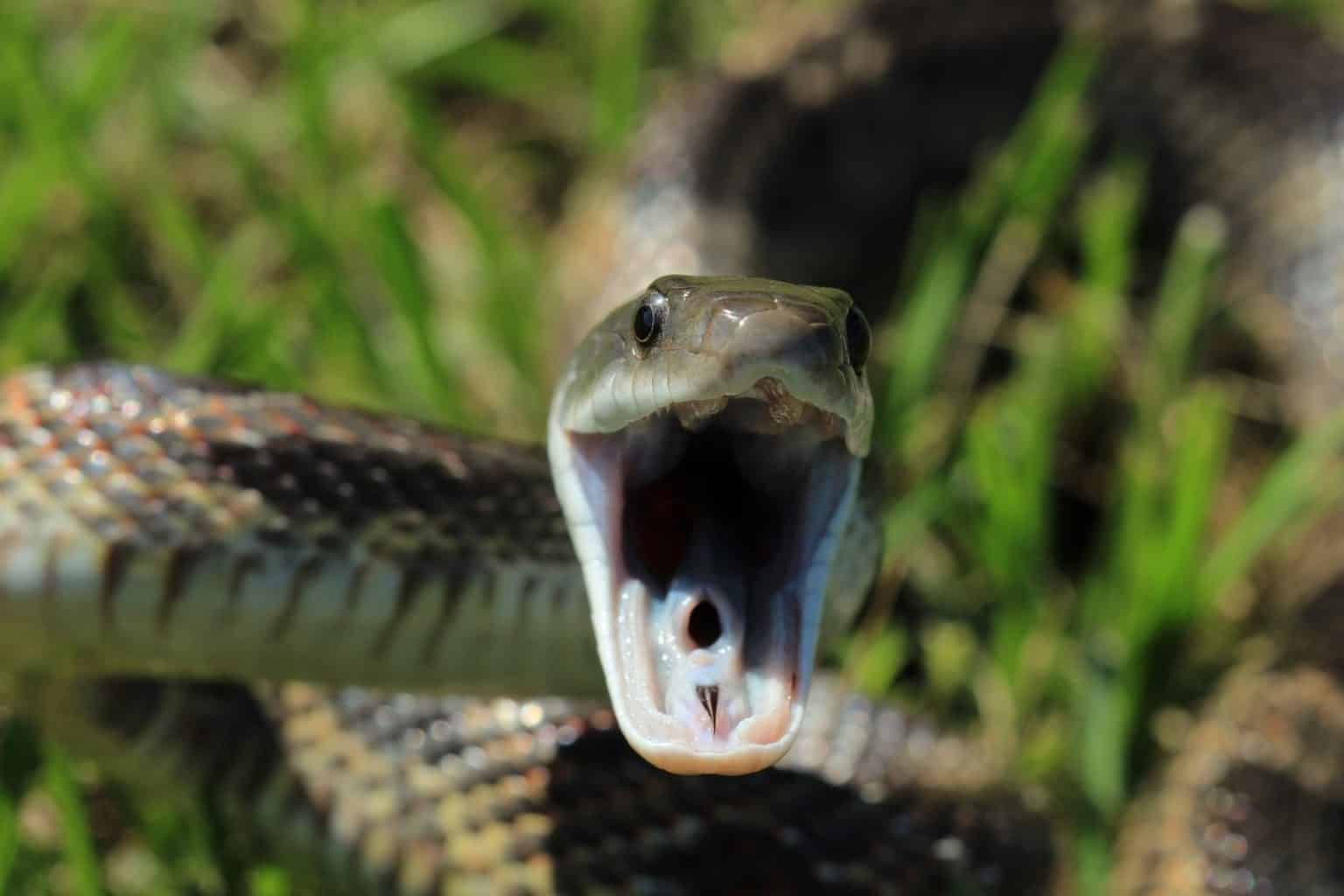
If you’ve lived in Texas for more than five minutes, you’ve probably seen one. Maybe it was a long, dark shape draped over your garden fence like a piece of discarded rope. Or perhaps you looked up while grabbing a rake in the garage and realized a six-foot serpent was staring back at you from the rafters. Honestly, finding texas rat snake photos on your phone is basically a rite of passage for homeowners in the Lone Star State. These snakes are everywhere, yet they remain one of the most misunderstood creatures in our backyards.
Most people see a big snake and immediately think "rattlesnake" or "copperhead." But the Texas rat snake (Pantherophis obsoletus lindheimeri) is a totally different beast. They are the acrobats of the reptile world. They can climb straight up a brick wall or hang from a birdhouse with nothing but core strength and a "can-do" attitude.
Why texas rat snake photos look so different across the state
One reason people get so confused is that these snakes are masters of the regional wardrobe change. If you're looking at photos from East Texas, the snakes often look dark, almost black, with subtle blotches. But head over to Central Texas, and suddenly you’re seeing snakes that are yellowish, tan, or even orange.
Basically, they adapt to their surroundings.
In the Piney Woods, being dark helps you blend into the shadows and leaf litter. Out in the hill country, those lighter tones are better for sun-drenched limestone and dry grass. It’s also worth noting that their skin between the scales is often a bright orange or red. When the snake puffs up or "kinks" its body because it's annoyed, that color peeks through, making them look way more intimidating than they actually are.
Identifying the "Kink"
You've probably seen this in photos: a snake that looks like it was bent by a giant pair of pliers. When a Texas rat snake feels threatened, it doesn't always bolt. Instead, it scrunches its body into a series of tight "S" curves. This breaks up its silhouette. To a hawk flying overhead, it looks like a random stick instead of a delicious lunch.
The baby snake identity crisis
Juvenile Texas rat snakes look almost nothing like their parents. This is where a lot of people make mistakes. While an adult might be a solid dark color or a muddy yellow, the babies are gray or tan with very distinct, dark brown "saddles" or blotches down their backs.
If you take a photo of a baby and post it online, half the comments will tell you it's a copperhead. It’s not.
Look at the head. A Texas rat snake has a long, slender head—sort of like a thumb—with big, round pupils. Copperheads have that classic "Hershey's Kiss" pattern on their sides and cat-like vertical pupils. Also, baby rat snakes are notoriously "feisty." They will rattle their tails in dry leaves to mimic a rattlesnake. It’s a great bluff, and honestly, it works on most people.
How to take better (and safer) texas rat snake photos
If you find one of these guys in the wild, your first instinct might be to get as close as possible for the "Gram." But remember, even though they aren't venomous, they can be a bit cranky. They’re famous for being one of the more defensive snakes in the state.
- Keep your distance: Use your phone’s zoom or a telephoto lens. A 100-400mm lens is perfect if you’re a serious hobbyist.
- Focus on the eye: Just like with people, the photo is only "alive" if the eye is sharp.
- Watch the background: A snake on a concrete driveway looks okay, but a snake draped over a blooming Mountain Laurel or climbing an oak tree tells a much better story.
- Mind the lighting: If you're shooting at night (when they are most active in the summer), use a diffuser on your flash. Direct flash makes their scales look oily and blows out the details.
Don't move the snake just for a picture. If it's in a tree, leave it there. They are semi-arboreal, meaning they spend a huge chunk of their lives off the ground. Seeing a photo of a six-foot snake effortlessly navigating a thin branch is way more impressive than seeing one coiled on a lawn.
Dealing with the "Attic Monster"
We can't talk about these snakes without mentioning their love for human architecture. They are nicknamed "chicken snakes" for a reason—they love eggs. But in the suburbs, they are the best pest control you never paid for.
If you see a Texas rat snake going into your attic, don't panic. It’s not there for you. It’s there because it smelled a rat or a nest of squirrels. They are incredibly muscular constrictors. They can squeeze into tiny gaps that you didn't even know your house had.
While it's startling to find one in your rafters, they are essentially harmless to humans. They’d much rather musk on you (which smells like rotten cabbage, by the way) or give you a quick "tag" than have a long-term confrontation. If you must move one, a gentle nudge with a broom is usually enough to get them headed toward the nearest tree.
Actionable insights for snake encounters
Most people realize too late that the "scary snake" they saw was actually a beneficial neighbor. If you want to coexist with these reptiles, here is what you should actually do:
- Check the tail: If it’s vibrating but has no actual rattle, it’s almost certainly a rat snake.
- Look for the climb: If the snake is more than three feet off the ground, it’s likely a rat snake. Our venomous species in Texas (copperheads, cottonmouths, most rattlers) are generally heavy-bodied and stay low.
- Leave the "trash" alone: They love old wood piles, sheds, and overgrown bushes. If you want fewer snakes, keep your yard tidy. If you like the free rodent control, let a corner of your yard stay a bit wild.
- Use ID apps: If you aren't sure, snap a photo and use a tool like iNaturalist or a dedicated snake identification group on social media.
Texas rat snakes are a vital part of our ecosystem. They keep the rodent population in check and provide a fascinating look at nature's adaptability right in our backyards. Next time you see one, grab your camera, keep a respectful distance, and appreciate the acrobatics.