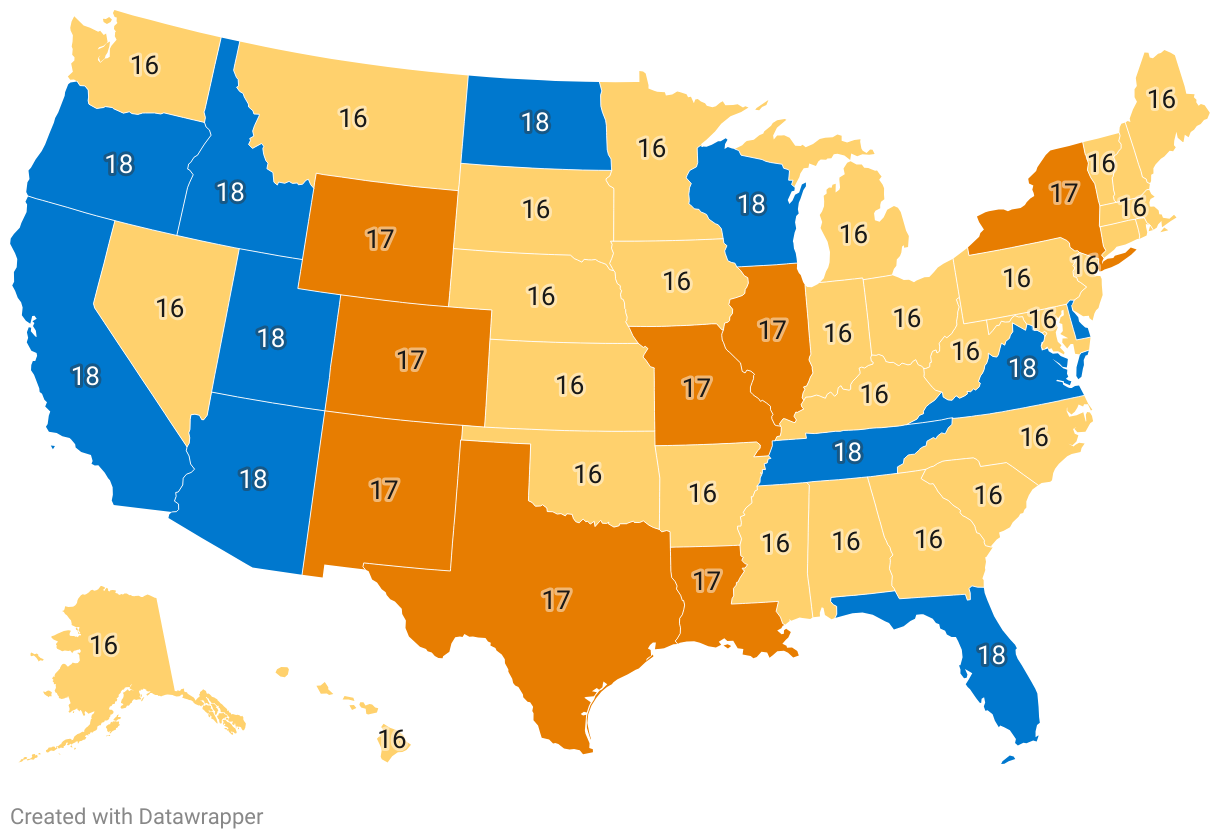
It used to be 12. For decades, the age of consent in the Philippines was one of the lowest in the entire world, a legal relic from the Spanish colonial era that somehow survived into the 21st century. It’s wild when you think about it. For years, advocates and international human rights groups screamed into the void about how a sixth-grader could legally "consent" to sex with an adult. But then things finally shifted.
In March 2022, everything changed with the signing of Republic Act No. 11648. This wasn't just some minor tweak or a bit of legal housekeeping. It was a massive, overdue overhaul of how the Philippine state protects children. Basically, the law bumped the age of consent from 12 to 16. It sounds like a simple number swap, but the legal ripples have been huge for families, schools, and the justice system.
If you’re trying to wrap your head around the current legal landscape, you have to understand that the Philippines is a deeply Catholic, culturally conservative country that is simultaneously trying to modernize its human rights protections. It’s a bit of a tug-of-war.
The Major Shift: Understanding Republic Act 11648
Before 2022, the Revised Penal Code was the rule of the land. It dated back to 1930. Under that old system, if a girl was 13, the prosecution had to prove "force, threat, or intimidation" to get a rape conviction. If those elements weren't clearly there? The case often fell apart. It was a nightmare for victims.
The new law, RA 11648, provides a much harder line. Now, if someone is under 16, they cannot legally give consent. Period. It doesn't matter if they said yes. It doesn't matter if they "looked older." The law views anyone under 16 as incapable of making that choice, which effectively makes any sexual act with them statutory rape.
One of the most interesting parts of this law—and something people often miss—is the "Romeo and Juliet" clause. Lawmakers realized that you can't just go around throwing every 17-year-old in jail for dating a 15-year-old. That would be messy and, honestly, kinda counterproductive. So, there’s an exception: if both parties are close in age (specifically, a gap of no more than three years) and the relationship is consensual and non-abusive, it's not treated as a crime. This applies as long as the older person is not more than 18. If the older person is 21 and the younger is 15? That’s a six-year gap. The exception won't save them.
Why did it take so long?
You might wonder why it took until 2022 to fix a law from 1930. Politics in Manila is complicated. For a long time, there was a weirdly persistent argument that raising the age would "criminalize" young love or lead to an explosion in the prison population. Groups like UNICEF and local NGOs like ECPAT Philippines spent years lobbying, pointing out that the Philippines was an outlier in Southeast Asia.
Most neighbors—think Vietnam, Thailand, or Indonesia—had already set their ages higher. The 12-year-old threshold made the Philippines a target for "child sex tourism," a dark reality that the government finally had to confront head-on. The pressure from the international community, combined with a surge in reported online sexual exploitation of children (OSEC) during the pandemic lockdowns, finally broke the legislative stalemate.
The Nuance of "Statutory" vs. "Forced"
Honestly, the terminology gets confusing. In the Philippines, "statutory rape" is the term often used when the crime is based solely on the victim's age. If the victim is under 16, the "consent" is legally void.
But there’s another layer: RA 7610, also known as the Special Protection of Children Against Abuse, Exploitation and Discrimination Act. This law is the "big stick" of Philippine child protection. It covers everything from child labor to prostitution. When you combine RA 7610 with the new age of consent in the Philippines, you get a very aggressive legal framework designed to hammer anyone exploiting minors.
Cultural Pushback and the "Maturity" Argument
Even though the law is now 16, you’ll still hear people in rural provinces or older generations grumbling about it. There’s this persistent cultural myth that "if they're old enough to get pregnant, they're old enough to be a wife." It’s an old-school mindset that the Department of Social Welfare and Development (DSWD) is constantly fighting.
The Philippines has one of the highest teenage pregnancy rates in the region. Before the law changed, many men would use the "12-year-old consent" rule as a get-out-of-jail-free card by offering to marry the girl. The new law makes that much harder. You can't just "marry away" a crime when the victim is 14.
The Role of Consent in the Digital Age
We have to talk about the internet. The Philippines is the social media capital of the world. Everyone is on TikTok, Facebook, and Telegram. This has created a massive problem with "sextortion" and online grooming.
Because the age of consent in the Philippines is now 16, law enforcement (like the NBI’s Cybercrime Division) has a much clearer mandate. If an adult is soliciting explicit photos from a 15-year-old, they can’t claim they thought the person was "consenting." The law is black and white. This has been a game-changer for prosecuting online predators who previously operated in those murky legal grey areas.
What Happens if You Break the Law?
The penalties are not a joke. We are talking reclusion perpetua in many cases—which basically means 20 to 40 years in prison. The Philippine justice system is slow, but when it comes to crimes against children, the sentences are among the harshest in the country’s penal code.
- Under 16: Total lack of legal capacity to consent.
- The 3-Year Gap: The only real "out" for teenagers in relationships.
- Aggravating Circumstances: If the offender is a relative, a teacher, or a person of authority, the penalties get even more severe.
It’s worth noting that the law is gender-neutral. While most cases involve male offenders and female victims, the law protects all children regardless of gender identity.
Common Misconceptions You’ll Hear
People get things wrong all the time. One big one is the idea that the age of consent is the same as the "legal age." It's not. The legal age (age of majority) in the Philippines is 18. That’s when you can vote, sign contracts, and get married without parental consent (though you still need "parental advice" until 25, which is a whole other quirk of Filipino law).
Another misconception? That the law doesn't apply to foreigners. It absolutely does. If a tourist comes to Cebu or Boracay and engages with a 15-year-old, they are subject to Philippine laws. There is no "I didn't know" defense that holds water in a Philippine courtroom when it comes to the age of consent.
Navigating the Legal System as a Victim
If someone is a victim, the path to justice usually starts with the Women and Children Protection Desk (WCPD) at the local police station. Every precinct is supposed to have one. From there, the DSWD gets involved to provide psychological support.
It’s a grueling process. The Philippine court system is notoriously backlogged. Cases can take years. But the 2022 law change has given prosecutors a much sharper tool. They no longer have to spend months proving a 13-year-old was "scared"; they just have to prove the 13-year-old was 13.
Practical Steps for Parents and Guardians
Knowledge is the best defense. You’ve got to talk to your kids.
- Verify IDs: If your teenager is hanging out with someone who looks significantly older, don't be afraid to be "that parent" and ask questions.
- Monitor Digital Footprints: The internet is where most violations of the age of consent in the Philippines begin these days. Grooming starts in the DMs, not on the street corner.
- Know the Hotlines: Keep the numbers for the Inter-Agency Council Against Child Pornography (IACACP) or the local DSWD office handy.
- Understand the "Close Age" Rule: If your 17-year-old is dating a 15-year-old, explain the three-year rule. They need to know that once one of them hits 18 or 19, the legal dynamics change significantly.
The change to 16 was a massive win for child rights advocates. It brought the Philippines in line with modern standards and closed a loophole that had been exploited for nearly a century. While the law can't stop every crime, it has finally given the "teeth" to the legal system that were missing for far too long.
If you're dealing with a situation involving a minor, the first step is always to seek local legal counsel or contact a child advocacy group like the Child Protection Network. Laws are only as good as their enforcement, and staying informed is the only way to ensure those protections actually work in the real world.
Key Takeaways for Immediate Action:
- Check the birth certificate: In any legal dispute involving the age of consent in the Philippines, the PSA-certified birth certificate is the ultimate authority.
- Report immediately: Delayed reporting is one of the biggest reasons cases fail in the Philippines. Evidence vanishes and memories fade.
- Consult a specialist lawyer: General practitioners are great, but for RA 11648 cases, you want someone who specializes in family law or criminal litigation involving minors.