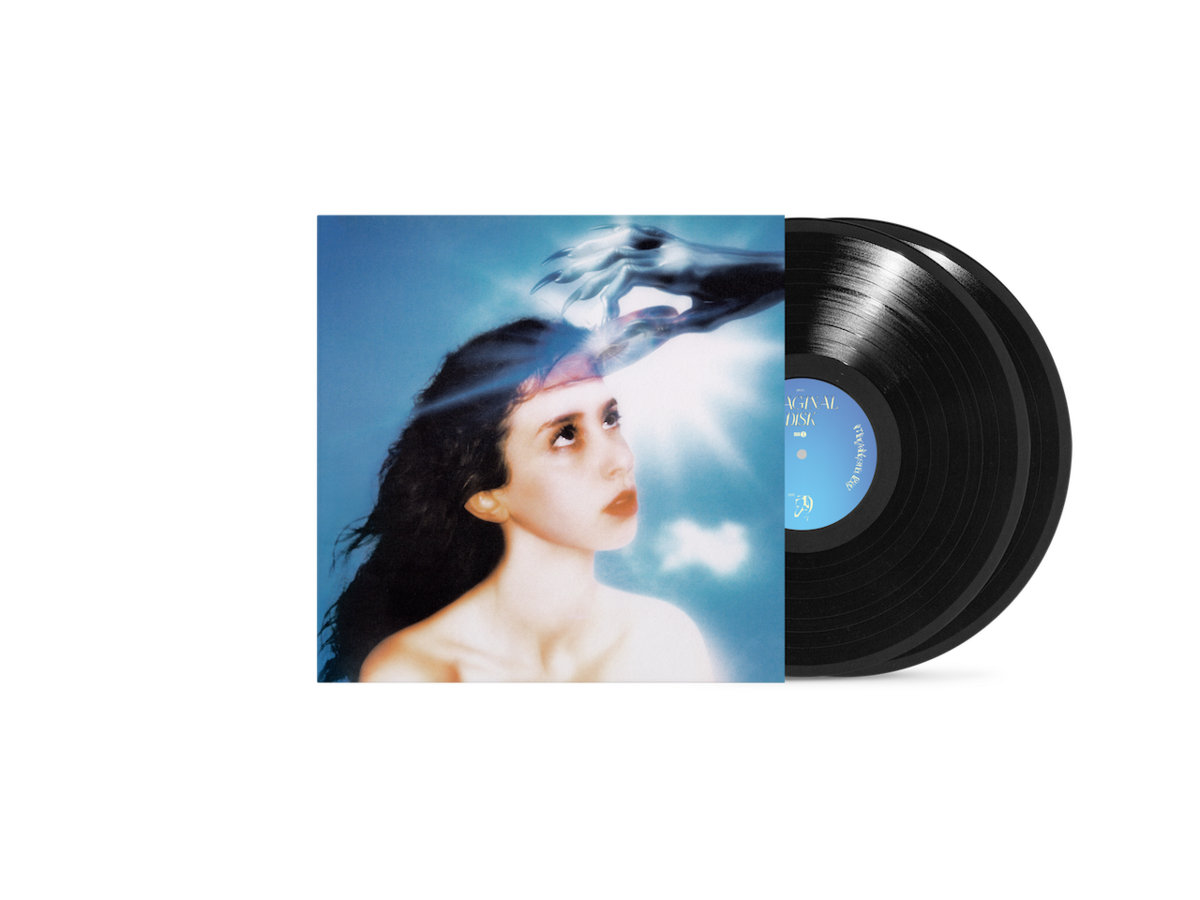
If you spent any significant time on the weird, wonderful, and occasionally heartbreaking side of the internet over the last few years, you’ve likely stumbled across The Ballad of Matt and Mica. It’s one of those digital artifacts that feels less like a piece of content and more like a collective memory shared by thousands of people who never actually met.
The internet is usually a place of noise. We scream into the void, we post memes, and we move on. But every once in a while, a story comes along that stops the scrolling. The Ballad of Matt and Mica did exactly that. It wasn't just a catchy title or a viral moment; it was a raw, unfiltered look at human connection in a world that feels increasingly disconnected. Honestly, it’s kinda rare to find something that stays with you long after you’ve closed the tab, but this story has legs. It’s about more than just two people. It’s about the way we document our lives and the ghosts we leave behind in our browser histories.
What Exactly Is The Ballad of Matt and Mica?
To understand why people are still talking about this, you have to look at the context. We live in an era where "vulnerability" is often a brand strategy. Influencers curate their breakdowns. But The Ballad of Matt and Mica felt different because it didn't feel like it was selling anything. It was a narrative—sometimes told through music, sometimes through social threads, and often through the interpretation of fans—that tracked the soaring highs and the devastating lows of a specific relationship.
People get it wrong when they try to categorize it as just a "sad story." It's more of a modern folk tale. In the old days, we had songs about miners or star-crossed lovers in small towns. Now, we have digital ballads. We have the digital footprints of two people navigating love, creative ambition, and the crushing weight of public expectation. It’s messy. It’s real. And that’s exactly why it resonates.
Why the Story Exploded Across Platforms
You’ve probably seen the tiktok edits or the deep-dive threads on Reddit. The spread of The Ballad of Matt and Mica wasn't a fluke of the algorithm. It happened because the story tapped into a universal anxiety: the fear that our best moments are fleeting and our worst moments are permanent.
Think about the way we consume stories now. We don’t just watch a movie; we investigate it. Fans of Matt and Mica didn't just listen or watch—they archived. They looked for clues in lyrics and timestamped changes in social media bios. It became a participatory experience. This wasn't a passive audience; it was a community of people trying to make sense of a tragedy or a breakup (depending on which "verse" of the ballad you're currently tuned into).
There’s a specific kind of hauntology at play here. When you look back at the early footage or the "happy" posts, knowing where the story ends, it changes the texture of the media. It’s like watching a movie where you know the ending is a car crash, but you can’t look away from the beautiful scenery in the first act.
Breaking Down the "Ballad" Structure
Traditional ballads have a rhythm. They have a refrain. The Ballad of Matt and Mica follows a similar, albeit digital, structure.
The first "verse" is always the honeymoon phase. It’s the collaborative projects, the shared smiles on a livestream, the sense that these two people are building a world that only they inhabit. It feels invincible. You see it in the way they looked at each other—that specific kind of "us against the world" energy that is impossible to fake.
Then comes the bridge. This is where things get complicated. In the case of Matt and Mica, the bridge is defined by the intrusion of the outside world. When you take a private connection and put it under the microscope of internet fame, things start to fray at the edges. Small disagreements become public debates. Personal struggles become content. It’s a heavy price to pay for being "internet famous," and we see the toll it takes in real-time.
Finally, there’s the resolution. Or the lack of one. Many people are still searching for a "ending" to The Ballad of Matt and Mica that feels satisfying. But life isn't a scripted TV show. Sometimes there isn't a big monologue or a clean break. Sometimes things just... end. And the silence that follows is the loudest part of the song.
The Role of Parasocial Relationships
We have to talk about the elephant in the room: the audience. The reason The Ballad of Matt and Mica became such a phenomenon is largely due to the parasocial relationships viewers formed with them. We felt like we knew them. We felt like we were part of their friend group.
When things went south, it didn't just feel like a stranger's problem. It felt personal. This is the double-edged sword of the modern creator economy. You get the love and the support, but you also get the collective grief of a million strangers when things fall apart. It’s a lot for anyone to carry, let alone two people just trying to figure out their lives.
Some critics argue that the obsession with The Ballad of Matt and Mica is intrusive. They’re probably right. There’s a fine line between empathy and voyeurism. But humans are wired for stories. We seek out narratives that help us process our own emotions. If watching Matt and Mica struggle helps someone realize they aren't alone in their own heartbreak, is that a bad thing? It’s a complicated question with no easy answer.
Misconceptions and Internet Rumors
Because this story lives online, it’s been buried under layers of misinformation. No, there wasn't a secret legal battle that stayed hidden for three years. No, the "leaked" emails that made the rounds in 2024 weren't actually real—they were debunked by several independent researchers who traced the IP headers back to a troll farm.
It’s easy to get lost in the weeds of "who said what." But if you strip away the drama and the fake "insider info," you’re left with something much simpler. You’re left with two people who were deeply influential to a specific subculture and whose parting left a void. Most of the "conspiracy theories" surrounding The Ballad of Matt and Mica are just people trying to find a villain in a story where there usually isn't one. Sometimes, two good people just aren't good for each other. That’s a boring truth, so the internet invents more exciting lies.
Lessons from the Digital Folklore
What can we actually take away from all this? Is it just a sad story to consume on a Tuesday night?
First, it’s a massive lesson in digital boundaries. If you’re a creator, or even if you just post a lot, The Ballad of Matt and Mica serves as a cautionary tale about how much of yourself you give away. Once it’s out there, you don't own the narrative anymore. The audience does.
Second, it highlights the permanence of our digital lives. Every "like," every deleted tweet, every archived stream—it all adds up to a story that can be reconstructed by anyone with enough time on their hands. We are all writing our own ballads, whether we realize it or not.
How to Approach the Story Today
If you’re just discovering this now, don't go looking for a "villain." You won't find one that actually exists outside of a comment section. Instead, look at the art. Look at the things Matt and Mica actually created. That’s where the truth usually lives. The music, the videos, the writing—that’s the legacy. The drama is just noise.
The internet moves fast. By next month, there will be a new "ballad" to obsess over. But some stories have a way of sticking to the ribs. The Ballad of Matt and Mica is one of them. It’s a reminder that behind every screen, every username, and every viral thread, there are actual human beings with actual beating hearts.
Actionable Steps for Navigating Online Narratives
- Verify before you share. If you see a "shocking update" about Matt or Mica, check the source. If it’s a screenshot from a random Discord server with no corroboration, it’s probably fake.
- Respect the silence. If a creator stops posting or asks for privacy, give it to them. The "ballad" doesn't owe us a final verse.
- Audit your own digital footprint. Take a second to look at what you’re putting out there. If someone reconstructed your life based only on your social media, what story would they tell?
- Support the art, not the drama. If you liked the creative work that came out of this era, support the individual creators in their new ventures. Move forward with them rather than trying to drag them back to a past they’ve moved on from.
The reality of The Ballad of Matt and Mica is that it’s still being written, just in different directions now. The best way to honor the story is to learn from it and then let it be. Some songs are meant to end, even if we want them to go on forever.