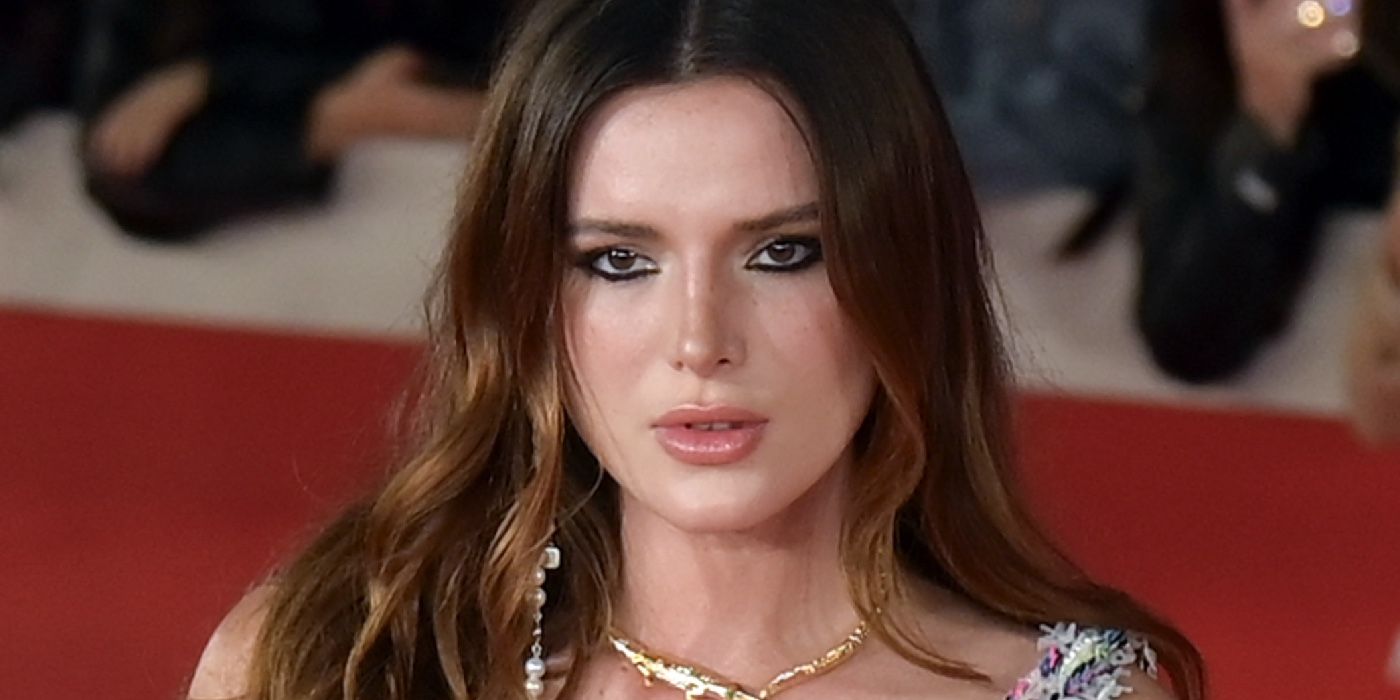
If you spent any time watching Disney Channel between 2010 and 2012, you definitely saw it. The screen goes a bit soft, the music gets earnest, and a teenage Bella Thorne looks directly into the camera to tell you about the time she found out she had dyslexia. For a specific generation, this 60-second clip wasn't just a PSA; it was a permanent fixture of their childhood.
But looking back on it now, there's a lot more to the bella thorne dyslexia commercial than just a celebrity talking about school struggles. It’s a weird time capsule of early 2010s "inspirational" marketing that eventually turned into a massive internet meme. Honestly, the way people talk about it today is totally different from how Disney intended it to land.
Behind the Scenes of the "The Time I..." Series
The commercial was part of a Disney Channel series called The Time I..., which featured stars like Zendaya and China Anne McClain sharing personal hurdles. Bella’s segment, specifically titled "The Time I Found Out I Have Dyslexia," dropped right around the time Shake It Up was becoming a hit.
In the clip, Bella talks about her first-grade experience. She describes it as "awful" because she couldn't read as well as the other kids. She mentions mixing up letters like "B" and "D" or "M" and "W." To fix it, she claims her family made her read everything in sight—cereal boxes, road signs, menus. By the end of the ad, she proudly states she reads a year above her grade level.
It was meant to be empowering. It was meant to show kids that they weren't "stupid" for having a learning disability.
Why the Commercial Became an Internet Legend
So, why are people still obsessed with this specific commercial over a decade later? Well, it’s a mix of nostalgia and the "Disney Channel" vibe that felt slightly performative to older viewers.
As Gen Z grew up, they started quoting the ad verbatim on TikTok and Twitter. The line "My name is Bella Thorne and this is the story of the time I found out I had dyslexia" became a recognizable audio bite. Some people started questioning the timeline of her story, while others just loved the specific, slightly dramatic delivery she used.
There's also a deeper layer of skepticism that floats around online. Because Bella Thorne has mentioned in later interviews that Spanish was actually her first language, some critics argued that her early reading struggles might have been a language barrier rather than dyslexia. However, Bella has consistently maintained that her diagnosis is real and that it profoundly affected her career.
Actually, she’s been very open about how she still deals with it. She uses "cold reads" and script changes on set as a way to constantly challenge her brain.
The Reality of Dyslexia in Hollywood
Dyslexia isn't just a "childhood problem" you solve by reading cereal boxes. It's a lifelong neurological difference. Bella’s commercial made it seem like she "conquered" it, but her later interviews paint a more realistic picture.
- Scripts are a nightmare. Bella has talked about how she gets nervous during table reads because she has to read out loud in front of a big group.
- Acting as therapy. Ironically, the very thing that was hard (reading) became her job. Having to memorize 20+ pages of dialogue a day basically forced her brain to adapt.
- The impact on fans. Despite the memes, the commercial actually did help people. There are documented stories of parents whose kids felt better about their own diagnoses because "CeCe Jones" had it too.
It’s easy to poke fun at the polished, over-produced nature of 2012 Disney, but for a seven-year-old kid struggling to tell a "p" from a "q," seeing a superstar admit they felt "stupid" in class was a big deal.
What Most People Get Wrong About the Ad
One of the biggest misconceptions is that the bella thorne dyslexia commercial was just a one-off PR stunt. It was actually part of a larger push by Disney to integrate the struggle into her character, CeCe Jones. In the Shake It Up episode "Add It Up," her character’s dyslexia is the central plot point.
They didn't just want a PSA; they wanted a brand.
Another thing people forget? The commercial was nominated for a Daytime Emmy in 2012. It wasn't just a random filler; it was considered a high-quality "Special Class Short Format" program by the industry at the time.
Actionable Insights for Learning Differences
If you or someone you know is navigating the same path Bella talked about, the "cereal box" method is actually a legitimate (if simplified) tactic. It's called environmental print reading.
- Normalize the struggle: Talk about it openly to remove the "shame" factor that Bella mentioned feeling in first grade.
- Use multisensory tools: Dyslexia often requires engaging more than just the eyes—think audiobooks while following along with text.
- Focus on strengths: Many people with dyslexia are incredibly creative or good at big-picture thinking, much like how Bella used her "quirks" to fuel her acting and writing.
Whether you see the ad as an inspiring moment or a meme-worthy relic, it remains one of the most successful pieces of "educational" content Disney ever produced, simply because we're still talking about it.
If you want to revisit the era, you can still find the original clip on YouTube or through the University of Michigan’s dyslexia success stories archive, where it's used as a case study for representation. Keep an eye on how modern celebrities handle these disclosures today—it’s usually a lot less scripted and a lot more raw than the 2012 Disney version.