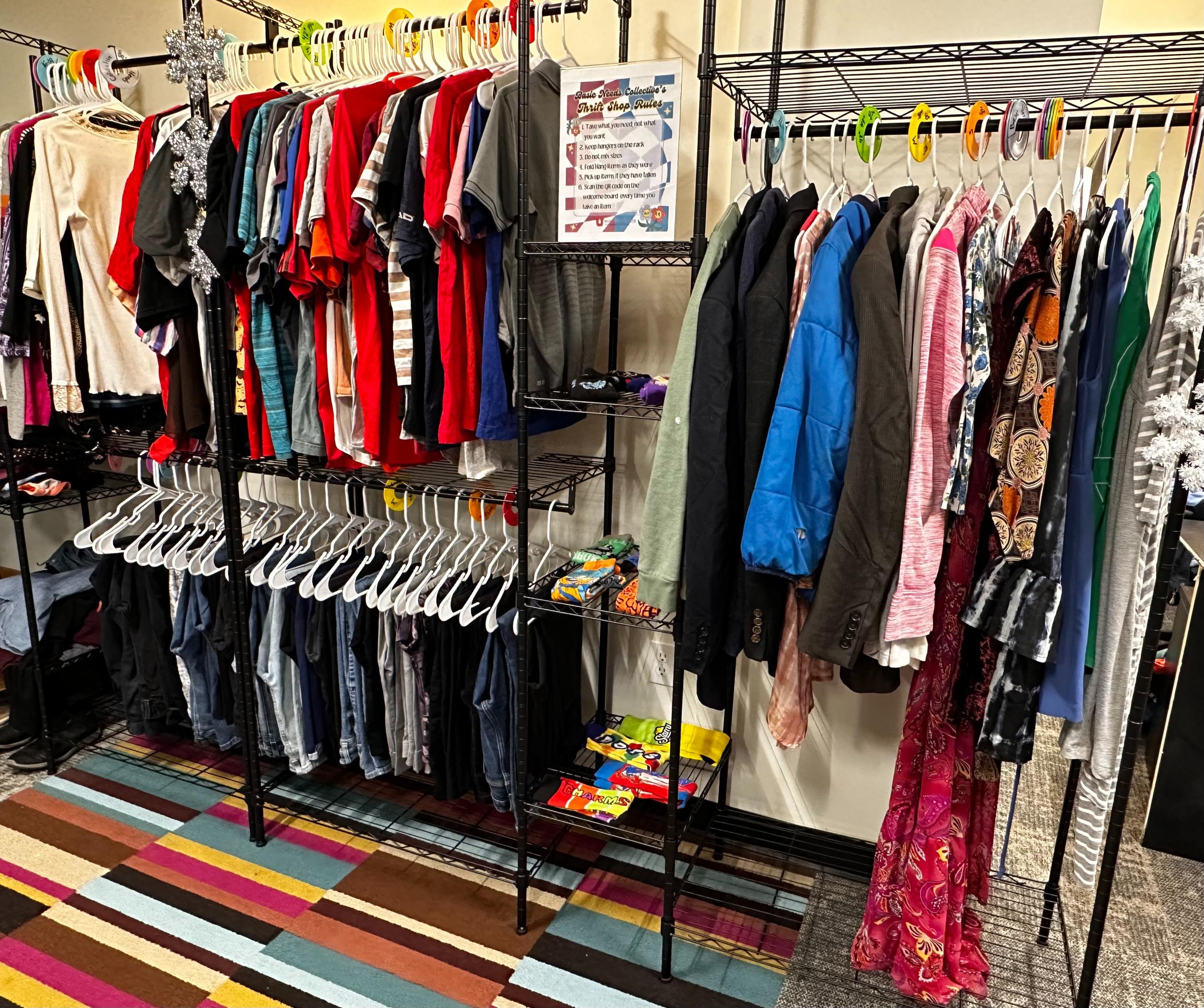
You’ve probably seen the photos. Maybe you were scrolling through a local community group or searching for where to drop off a bag of old sweaters in Georgetown, Texas. Most people looking for the caring place thrift store & basic needs photos aren't just looking for a cool vintage find, though that happens often enough. They’re looking for proof. Proof that a community can actually take care of its own without a massive government bureaucracy getting in the way.
It’s a vibe.
The images usually show a bright, organized space that feels more like a boutique than a dusty basement. But the "Basic Needs" part of the equation? That’s the real story. It’s the food pantry, the utility assistance, and the specialized programs that turn a $5 shirt sale into a lifeline for a neighbor who can’t pay their electric bill this month.
Honestly, it’s rare to find a place where the retail side and the social services side are so seamlessly stitched together.
Why the Caring Place Thrift Store & Basic Needs Photos Matter
Photos tell you what words usually fumble. When you look at images of The Caring Place, you see a massive warehouse-style operation that manages to feel personal. The organization has been around since 1982. Think about that. That is over forty years of surviving economic downturns, a global pandemic, and the explosive growth of Williamson County.
The photos of the "Basic Needs" area aren't usually public shots of people in crisis—for obvious privacy reasons. Instead, they show the dignity of the setup. You'll see a food pantry that looks like a grocery store. This is intentional. Choosing your own food matters. It’s about more than calories; it’s about agency.
If you’re looking at these photos to decide whether to donate, look at the quality of the items on the floor. The Caring Place is picky. They have to be. High-quality donations mean higher sales, which translates directly into more funds for the "Basic Needs" programs. It's a simple, brutal, beautiful cycle of local economics.
The Reality Behind the "Basic Needs" Label
Most people hear "basic needs" and think of a sandwich. It’s so much more than that.
In Georgetown, the cost of living has skyrocketed. Families who were doing "fine" three years ago are now one car repair away from total collapse. When you dig into what the basic needs department actually does, you’re looking at a massive safety net.
- Financial Assistance: This is the big one. Rent and utilities.
- The Food Pantry: Fresh produce, dairy, and meat—not just expired cans of cream of mushroom soup.
- Clothing Vouchers: Not everyone pays for what they get at the thrift store. If you’ve lost everything in a fire or you’re starting a job after a period of homelessness, the store becomes a resource, not a retail outlet.
It’s also about the "Fresh Food for Families" initiative. You might see photos of volunteers unloading pallets of watermelons or greens. These images represent a direct attack on "food deserts" in the area. It’s exhausting work.
What the Photos Don’t Show
You can’t photograph a conversation between a case manager and a mother who is terrified she’s going to be evicted. You can’t capture the relief in a 2-word sentence: "We're okay."
The Caring Place operates two main retail locations: the Shops at The Caring Place and Second Helping. If you see photos of high-end furniture or designer handbags, you’re likely looking at Second Helping. It’s their "boutique" arm. The logic is sound: sell the luxury items for a premium to fund the core mission. Some critics argue that thrift stores should be "for the poor," but that’s a misunderstanding of the modern non-profit model.
By selling a donated Coach bag for $75, The Caring Place can buy hundreds of pounds of bulk rice. Which helps more people? The answer is obvious.
Navigating the Locations
If you're heading out there based on the photos you've seen, you need to know where you're going. The main hub is at 2000 Railroad Avenue. This is the heart of the operation.
The "Basic Needs" entrance is separate from the "Thrift Store" entrance. This is a design choice. It provides a level of privacy and specialized attention for those seeking help. If you’re there to donate, the drive-through drop-off is usually a well-oiled machine, though Saturday mornings can be a nightmare. Expect lines. Bring patience.
A Quick Breakdown of What to Expect
- The Main Store: Huge selection. Clothing, books, kitchenware. It’s the "classic" thrift experience.
- Second Helping: Smaller, curated. Think jewelry, antiques, and better brands.
- The Annex: Often where the bulkier items or specific sales happen.
The photos of the furniture section often go viral on local Facebook groups because, frankly, Georgetown has a lot of wealthy retirees who donate incredible stuff. We’re talking solid oak dining tables and mid-century modern lamps that would cost a fortune in Austin.
The Impact of Your Visit
When you look at the caring place thrift store & basic needs photos, you are looking at the result of over 25,000 volunteer hours a year. That is a staggering number. It’s not just a store; it’s a massive logistical feat.
The organization focuses on several ZIP codes: 78626, 78628, 78633, 78634 (Hutto), and 78673/78674 (Walburg/Weir). If you live outside these areas, they might still help you find resources, but their primary "Basic Needs" funding is localized. This is a common point of confusion. People drive from all over Central Texas expecting direct financial aid, but the mission is intentionally "neighbor helping neighbor."
Why People Get Frustrated
Let’s be real for a second. It isn't always perfect.
Sometimes the donation lines are closed because the warehouse is full. You might see photos of bags piled up outside the gates—don’t be that person. Leaving stuff outside ruins it. Rain, pests, and theft turn a generous gift into a disposal headache for the staff.
Also, the "Basic Needs" side requires documentation. You can’t just walk in and get a check. You need ID, proof of residence, and proof of crisis. This can be frustrating for people in the middle of a breakdown, but it’s how they ensure the money actually goes where it’s supposed to. It’s about stewardship.
Actionable Steps for Donors and Shoppers
If you’ve spent time looking at the photos and you’re ready to get involved, don’t just show up with a trunk full of mystery bags.
Check the "No" List First
The Caring Place cannot take everything. Mattresses? No. Older CRT televisions? No. Broken furniture? Definitely no. They have to pay to haul away junk, which takes money away from the food pantry. If you wouldn't give it to a friend, don't give it to them.
Time Your Visit
Mid-week is best for shopping. The "new" stuff hits the floor constantly, but the weekend crowds are intense. If you’re looking for those "Basic Needs" photos of the pantry in action, remember that those services have specific hours, usually ending earlier than the retail store.
The Financial Pivot
If the photos of the food pantry moved you, consider a cash donation. While the thrift store is the engine, cash is the fuel. They can turn $1 into significantly more food than you can buy at a grocery store because of their partnership with the Central Texas Food Bank.
The Long-Term Vision
The Caring Place isn't just trying to provide a temporary fix. They’ve moved toward a model of "sustainability." This means helping families find the root cause of their financial instability.
They offer programs on budgeting and job searching. They coordinate with other local agencies. The photos of their community rooms and meeting spaces represent this shift. It’s less about the "handout" and more about the "hand up," as cliché as that sounds.
When you see photos of the staff and volunteers, you’ll notice a lot of silver hair. This is a retirement community hub. These are people who have spent forty years in corporate America and are now using their project management skills to organize a massive clothing sorting operation. It’s impressive.
How to Support the Mission Right Now
Stop looking at the photos and go see it.
Whether you’re in Georgetown or just passing through Williamson County, a stop at The Caring Place is a lesson in community health. You can see the direct line from a donated book to a paid water bill.
- Donate items: Only high-quality, clean goods.
- Shop often: Every dollar spent stays in the community.
- Volunteer: They always need sorters and cashiers.
- Spread the word: Share the photos of your finds and mention the mission.
This isn't just about "basic needs" in the sense of survival. It’s about the basic need for a community to feel connected and responsible for one another. That’s something a photo can only begin to capture.
Go to the 2000 Railroad Ave location during their intake hours to drop off donations. If you're looking for furniture or higher-end goods, make a specific trip to Second Helping at 3700 Williams Drive. Keep your donations sorted—clothes in one bag, household goods in another—to help the volunteers process everything faster. If you are in a crisis, call their main line before showing up to ensure you have the correct documentation for the Basic Needs department.