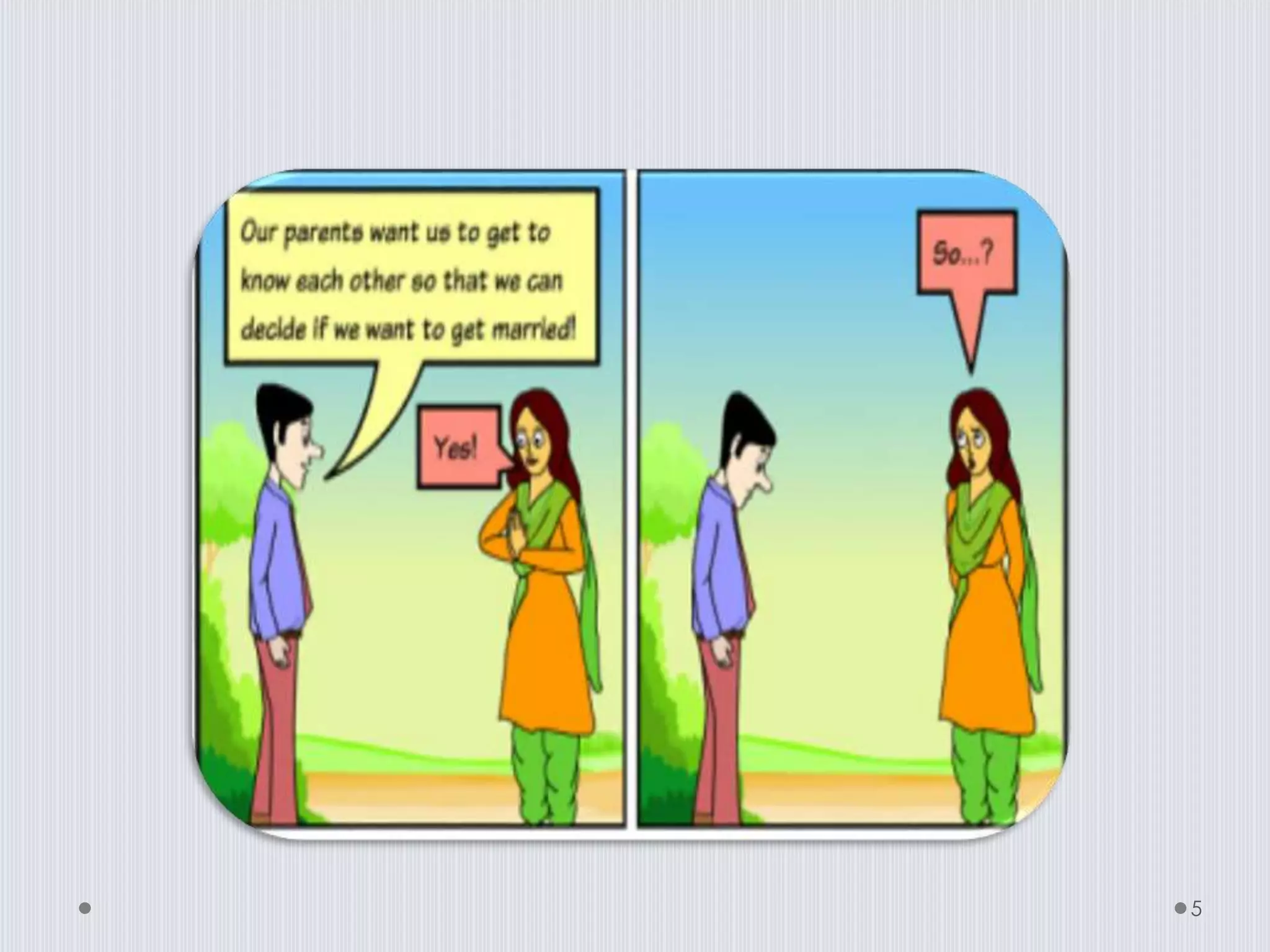
Honestly, the internet has a weird obsession with the Christian and Maria arranged marriage. You’ve probably seen the TikTok clips or the grainy Instagram reels where people are debating if it was forced, if it was "cultural," or if it was just a massive misunderstanding of how modern courtship works in certain communities. There is so much noise. People are shouting over each other in comment sections, but the actual nuances of their situation often get buried under the algorithm's need for drama. It’s messy. It’s complicated. It’s also a perfect example of how public perception can warp a private agreement into a global spectacle.
The reality? Most of the "facts" floating around are just recycled rumors. To understand the Christian and Maria arranged marriage, you have to look at the specific intersections of tradition and digital-age transparency. It wasn't just a wedding; it became a case study in how we judge lifestyles that don't fit the standard Western "swipe right" dating model.
Why Everyone Is Obsessed With the Christian and Maria Arranged Marriage
Let's be real: the word "arranged" triggers people. In a world where we’re told to follow our hearts and prioritize individual sparks, the idea of parents or elders facilitating a union feels prehistoric to some. But for Christian and Maria, the arrangement wasn't about being locked in a room with a stranger. It was a structured introduction.
There's a massive difference between a forced marriage—which is a human rights violation—and an arranged one, where the parties involved have the power to say "no." Christian and Maria's story sits squarely in that second category. They were introduced through family networks, a practice still incredibly common in many Orthodox and traditionalist communities across Europe and North America.
The Mechanics of the Setup
It wasn't a sudden event. In many of these cases, the families spend months, sometimes years, vetting the background, values, and financial stability of the potential partner. For Christian and Maria, the process involved several supervised meetings. Think of it as a high-stakes blind date where your parents have already done the background check. It sounds intense because it is.
But here’s the kicker: the digital footprint they left behind made it look much more rigid than it actually was. When Maria first appeared in videos discussing her "commitment," she looked nervous. The internet took that nervousness and ran with it, claiming she was a victim. In reality, being twenty-something and having a camera shoved in your face while discussing the rest of your life would make anyone look a bit shaky.
The Cultural Context We Keep Missing
We often view these situations through a very narrow lens. If it’s not a rom-com meet-cute at a coffee shop, we assume something is wrong. But for people like Christian and Maria, the Christian and Maria arranged marriage was about legacy. It was about ensuring that their shared faith and specific cultural heritage stayed intact.
- The Role of the Matchmaker: In their specific community, the matchmaker isn't some mythical figure in a hut. It’s usually an auntie or a respected family friend who knows the "vibe" of both households. They act as a buffer.
- The "Exit" Clause: Contrary to the viral rumors, both had the option to walk away during the "getting to know you" phase. They didn't. That’s a choice, even if it’s a choice made within a limited set of options.
It’s easy to judge from the outside. But when you look at the divorce rates of "love marriages" versus "arranged introductions" in these specific sub-sectors, the numbers are often surprising. Stability is the goal here, not necessarily a whirlwind romance that burns out in six months.
The Controversy That Wouldn't Die
Why did this specific couple go viral? It was the wedding footage. Someone leaked a clip where the atmosphere seemed... heavy. People pointed to Maria's lack of a smile. They pointed to Christian’s stiff posture.
"She looks like she wants to bolt," one top comment read.
But talk to anyone who has had a traditional, multi-day wedding with 500+ guests. You’re exhausted. You’re dehydrated. You’ve been wearing a ten-pound dress for fourteen hours. Maria later addressed this in a rare post, basically saying she was just tired and overwhelmed by the crowd, not the man.
Breaking Down the "Force" Narrative
There is zero evidence that this was a forced union. We have to be careful with our language here. When we conflate "arranged" with "forced," we erase the agency of the women (and men) who choose this path. Maria has spoken—albeit briefly—about her respect for her parents' wisdom. Christian has been seen in various community forums defending their privacy.
The internet doesn't like nuance. It likes heroes and villains. It wanted Christian to be a tyrant and Maria to be a captive. When the reality turned out to be "two young people trying to make a traditional life work in 2026," the interest started to fade for the drama-seekers, but the SEO remained.
What This Tells Us About Modern Relationships
The Christian and Maria arranged marriage isn't just a niche news story. It’s a mirror. It shows how uncomfortable we are with the idea of duty. We live in the era of the "Individual," where my feelings right now are the only thing that matters. This marriage was built on the idea of "Us" and "The Future."
It’s a different operating system.
Is it for everyone? Absolutely not. Most of us would find the lack of autonomy stifling. But for them, the structure provided a safety net. They didn't have to wonder if their partner shared their core values; that was the baseline requirement for the introduction.
Common Misconceptions
- Myth: They never met before the wedding. Truth: They had months of interaction, some private, some supervised.
- Myth: Maria wasn't allowed to go to school. Truth: She has a degree. The marriage happened after her education was settled, which is a common pattern in modern arranged setups.
- Myth: It was all about money. Truth: While family status matters, these aren't "business deals" in the way 18th-century novels portray them. It’s about social compatibility.
The Role of Social Media in the Fallout
If Christian and Maria had lived in 1995, we would never have heard of them. The only reason this is a "thing" is because of the democratization of footage. Someone at the wedding had a smartphone. Someone felt like being a "whistleblower" for a crime that wasn't happening.
This is the danger of the modern age. Every cultural tradition is now subject to the "court of TikTok." We see a five-second clip of a bride not smiling and we demand a police intervention. We've lost the ability to understand that different cultures express joy, solemnity, and commitment in different ways.
How They Are Doing Now
Reports from within their community—real ones, not the "I heard from a friend" Reddit threads—suggest they are living a fairly quiet, standard life. They aren't influencers. They aren't trying to sell you a course on how to get arranged. They are just a couple. The drama was largely projected onto them by an audience that couldn't wrap its head around their choices.
Navigating the Ethics of "Arranged" Content
When we consume content about the Christian and Maria arranged marriage, we have to ask ourselves why we are watching. Are we looking for signs of abuse because we genuinely care about human rights? Or are we just rubbernecking at a culture we think is "weird"?
Expert sociologists like Dr. Reena Anand have often pointed out that Westerners tend to fetishize or demonize arranged marriages without looking at the underlying support systems. In many cases, these couples have more support than love-match couples because both families are deeply invested in the marriage succeeding. If the couple fights, the families act as mediators.
Actionable Takeaways for the Curious
If you’ve been following this story and feeling conflicted, here is how to process it without falling for the clickbait:
Audit your sources. If a headline uses words like "SHOCKING" or "REVEALED," it’s probably trash. Look for accounts from people within the specific religious or cultural community who understand the context of the Christian and Maria arranged marriage.
Understand the terminology. Learn the difference between "arranged," "assisted," and "forced." It matters. Using the wrong word can stigmatize an entire culture.
Respect the silence. The fact that Christian and Maria haven't done a "tell-all" interview isn't proof of a cover-up. It’s usually a sign that they want to live their lives away from the toxic cycle of internet commentary.
Look at the long game. Success in a marriage isn't measured by the wedding day. It’s measured by the next fifty years. Whether this union lasts is up to them, not the people in the comments.
The story of Christian and Maria is ultimately a reminder that the world is a big place with many ways to build a family. We don't have to agree with the method to respect the people involved. If you want to understand modern relationships, you have to be willing to look past the viral clips and see the humans behind the "arranged" label.
Stop looking for a scandal where there's just a different way of living. Pay attention to the facts, ignore the armchair psychologists on social media, and recognize that sometimes, a wedding is just a wedding—even if it didn't start with a swipe.
To get a better grasp on these dynamics, look into the work of cultural anthropologists who study "collaborative marriage." It provides a much more academic and less sensationalized view of how these unions function in the 21st century. Avoid the forums that thrive on speculation; they rarely have the full picture.