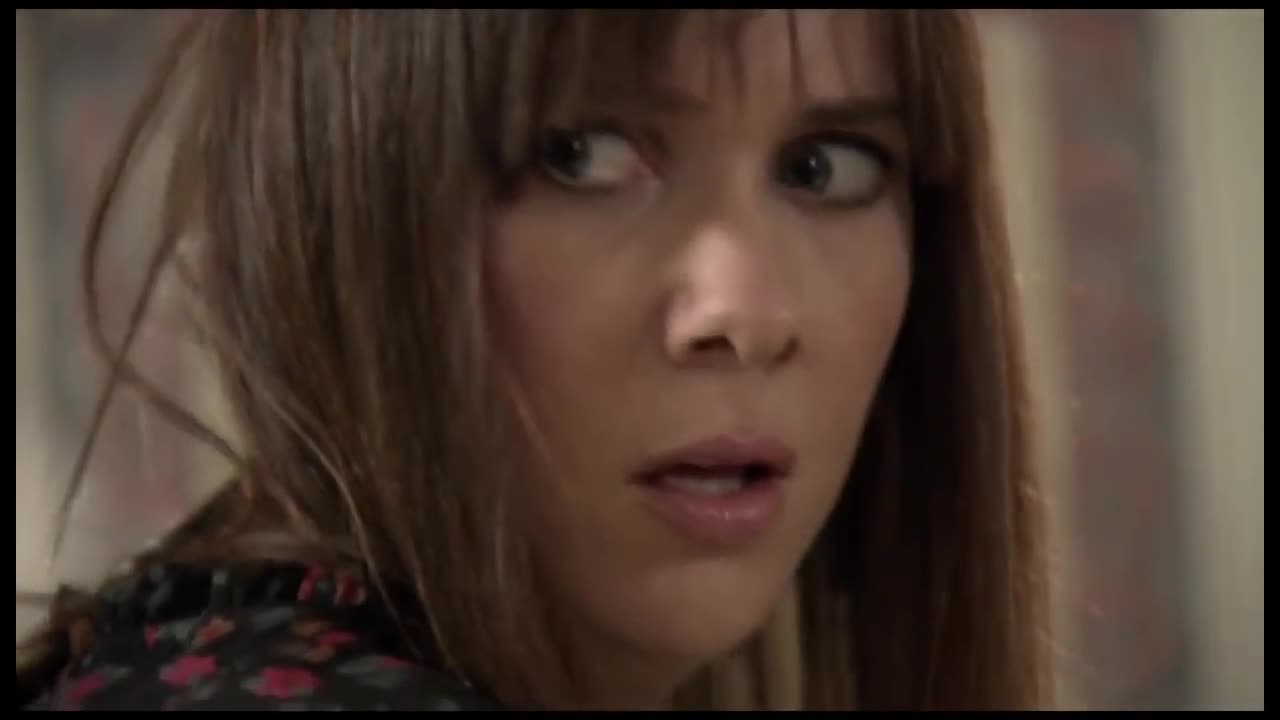
It was April 14, 2007. Bill Hader sat on a nondescript couch. He looked at Andy Samberg. He said, "I have something to tell you." Then, a gunshot rang out. And then, the music started. "Mmm, whatcha say?"
If you were alive and online in the mid-2000s, you remember exactly where you were when you first saw the SNL skit whatcha say (officially titled "Dear Sister"). It wasn't just a funny moment on Saturday Night Live. It was a cultural pivot point. It was the moment the digital short truly broke the traditional sketch comedy mold and leaned into the surrealist, repetitive humor that would eventually define TikTok and Vine.
The sketch is incredibly simple. It’s a parody of a dramatic scene from the Season 2 finale of The O.C., where a character is shot and the Imogen Heap song "Hide and Seek" plays with jarring intensity. But SNL took that melodrama and stretched it until it snapped. Bill Hader gets shot. Then Andy Samberg gets shot. Then Shia LaBeouf—the guest host that night—walks in and gets shot. Even Kristen Wiig and Fred Armisen aren't safe. By the time two police officers arrive just to shoot each other while reading a letter, the living room is a pile of bodies and auto-tuned vocals.
The O.C. Connection: Where the Joke Actually Started
To understand why the SNL skit whatcha say landed so hard, you have to remember the state of television in 2005. The O.C. was the peak of teen drama. In the finale of the second season, Marissa Cooper shoots Trey Atwood to save Ryan Atwood. As the trigger is pulled, "Hide and Seek" swells. The scene was meant to be heartbreaking.
It was ridiculous.
The internet noticed immediately. Before the SNL parody, people were already making "Hide and Seek" memes on sites like YouTube (which was barely two years old at the time) and Myspace. But the Lonely Island—the trio of Andy Samberg, Akiva Schaffer, and Jorma Taccone—took that niche internet mockery and broadcast it to millions. They didn't just reference the scene; they deconstructed the very idea of "dramatic" slow-motion death.
Honestly, the brilliance of the SNL skit whatcha say is in the timing. The song doesn't just play; it interrupts. It cuts off dialogue. It layers over itself until it becomes a chaotic wall of sound. It’s the sonic equivalent of a glitch in the matrix. When Shia LaBeouf enters the room and is immediately blasted by a guy who is already dying on the floor, the logic of the world has completely evaporated.
Why "Hide and Seek" Became an Immortal Meme
Imogen Heap probably didn't expect her haunting, vocoder-heavy track to become the soundtrack to a thousand fake murders. The song is actually quite beautiful and serious. But after the SNL skit whatcha say, it was rebranded forever.
The "whatcha say" hook (which Jason Derulo famously sampled years later, further cementing its place in the zeitgeist) became a punchline for any sudden, unexpected tragedy. Did you trip in public? Cue the music. Did your favorite sports team lose at the buzzer? Mmm, whatcha say.
The Anatomy of the Shot
What's fascinating about the production of the sketch is how "cheap" it feels in the best way possible. The blood effects are clearly just red fabric or digital overlays that don't quite line up. The actors' "death" faces are exaggerated and goofy. This was the signature of the early SNL Digital Shorts. They felt like something you and your friends could make on a Saturday afternoon with a Camcorder and some iMovie transitions.
- The first shot: Precise.
- The second shot: Confusing.
- The third shot: Hilarious.
- The fourth, fifth, and sixth shots: Pure high-art absurdity.
The Lonely Island understood that repetition is the soul of comedy. The first time the music plays, you laugh because you recognize the reference. The fifth time it plays, you laugh because the situation has become mathematically impossible.
The Legacy of the SNL Skit Whatcha Say in Modern Comedy
We see the DNA of "Dear Sister" everywhere now. If you spend five minutes on TikTok, you'll see creators using specific sounds to punctuate "fails" or dramatic reveals. That is the SNL skit whatcha say legacy. It taught a generation of creators that you don't need a punchline if you have a perfectly timed sound bite.
The sketch also signaled a shift in Saturday Night Live itself. For decades, the show relied on recurring characters and political impressions. The Digital Shorts brought a "weird" energy that appealed to people who didn't even watch broadcast TV. You didn't need to watch the whole episode to "get" the joke. You just needed the link. It was one of the first truly "viral" videos in the way we use the term today.
Think about the "Shooting Stars" meme from a few years back. Or the "To Be Continued" JoJo’s Bizarre Adventure meme. Those are direct descendants of what Samberg and Hader were doing. They took a specific aesthetic—the dramatic freeze frame—and weaponized it for laughs.
Common Misconceptions About the Sketch
People often think Jason Derulo's "Whatcha Say" was the inspiration for the sketch. It's actually the opposite. Derulo's song came out in 2009, two years after the SNL skit whatcha say aired. While Derulo was sampling the same Imogen Heap track, many people first heard that hook through the lens of Bill Hader getting shot in the chest.
Another misconception is that the sketch was a mean-spirited attack on The O.C. In reality, it was more of a commentary on how TV dramas use music to manipulate emotions. By over-using the music, SNL exposed how "manipulative" those big TV moments can be.
How to Revisit the Magic
If you go back and watch the SNL skit whatcha say today, it still holds up. Why? Because the timing is flawless. Akiva Schaffer's editing is the secret weapon here. The way the music cuts in a millisecond before the muzzle flash is a masterclass in comedic pacing.
- Watch the original "The O.C." scene first. It’s on YouTube. You need to see the sincerity in Mischa Barton's eyes to appreciate the irony later.
- Look at the background actors. In the SNL version, everyone is committed to the bit. There’s no winking at the camera. They play it as straight as a Shakespearean tragedy.
- Listen to the layering. Towards the end of the sketch, three or four versions of the song are playing at once. It’s genuinely stressful to listen to.
Moving Forward: Using This Vibe in Your Own Content
If you're a creator or a writer, there is a lot to learn from the SNL skit whatcha say. It's about "subverting expectations." People expected a standard parody with dialogue. Instead, they got a rhythmic, repetitive loop of violence and pop music.
To capture this kind of energy in your own work:
- Find the "serious" thing that everyone takes too seriously. In 2007, it was teen dramas. Today, maybe it's "lifestyle" influencers or "deep" podcast clips.
- Identify the "trigger." What is the one visual or auditory cue that signifies that serious thing?
- Overdo it. Don't just do the joke once. Do it until it’s not funny, then keep doing it until it’s funny again. This is the "Sideshow Bob stepping on rakes" principle.
The SNL skit whatcha say remains a high-water mark for the show. It’s a reminder that sometimes, the best way to make a point is to stop talking and just let the music—and the ridiculousness—take over.
Next time you're looking for a laugh, skip the political monologues. Go back to that messy living room in 2007. Watch Bill Hader drop that letter. Wait for the gunshots. And let the "mmm, whatcha say" wash over you. It’s a piece of internet history that isn't going anywhere.
Check out the official The Lonely Island YouTube channel to see the remastered version. It’s much clearer than the grainy versions we used to pass around on our flip phones. After that, look up Imogen Heap's live performances of "Hide and Seek." Seeing how she actually creates those vocal loops live is mind-blowing and gives you a whole new appreciation for the song that the Digital Short simultaneously honored and destroyed.