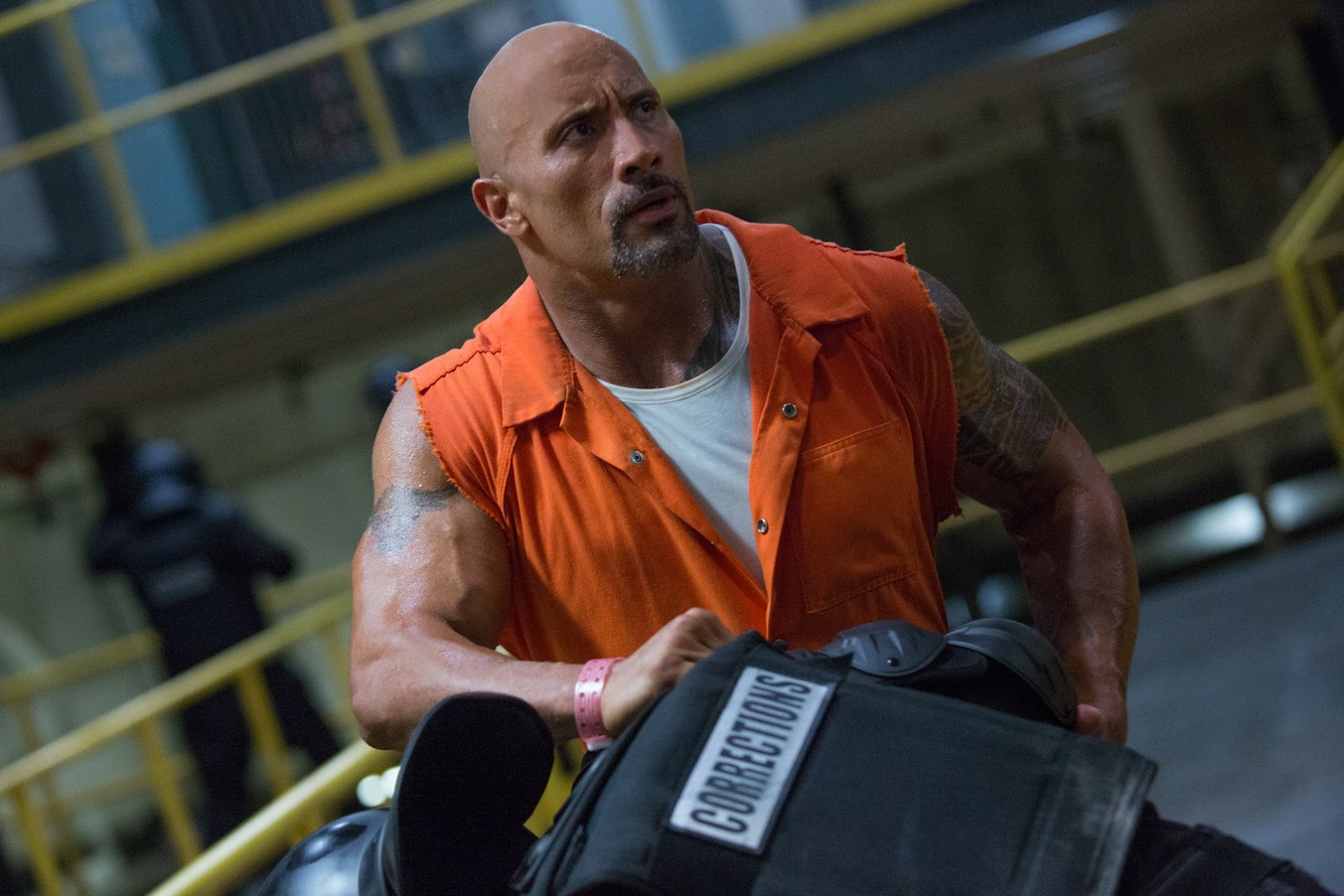
Honestly, if you look back at the entire timeline of the Fast Saga, there is a very clear "before" and "after" point. That point is The Fate of the Furious, or as most of us just call it, Fast and Furious 8. It was the first film produced entirely after the tragic passing of Paul Walker, and you can really feel the franchise trying to figure out its own identity without Brian O'Conner. It's a weird, high-octane, and surprisingly dark entry that basically turned a street-racing soap opera into a full-blown superhero spy thriller.
Most people remember the submarine. Or the "zombie cars" raining down in Manhattan. But when you dig into the production and the actual narrative shifts, Fast and Furious 8 is where the series leaned into the "family" trope so hard it almost broke.
The Dom Toretto Betrayal: What Really Happened
The core hook of Fast and Furious 8 was simple: What if Dom Toretto went rogue? For a guy who says the word "family" every five minutes, watching him ram Hobbs off the road and join forces with a cyber-terrorist named Cipher was a massive shock.
It wasn't just a gimmick. F. Gary Gray, the director who stepped in after James Wan, wanted to strip away the safety net. Cipher, played with a cold, almost robotic intensity by Charlize Theron, holds the ultimate leverage over Dom. She has Elena Neves and the son Dom never knew he had.
- Dom is forced to steal an EMP device in Berlin.
- He has to hunt down his own team in New York City.
- The stakes aren't just about a "job" anymore; they're about the legacy of the Toretto name.
It’s kind of wild to think about how much the scale jumped here. We went from stealing DVD players in the first movie to stopping a nuclear submarine in the frozen tundras of Russia. The logic is thin, sure, but the emotional weight of Dom being isolated from his crew gave the movie a tension that the previous few films lacked.
The Rock vs. Vin Diesel: The Real-Life Drama
You can't talk about Fast and Furious 8 without mentioning the "candy ass" heard 'round the world. This was the movie where the behind-the-scenes tension between Vin Diesel and Dwayne "The Rock" Johnson finally boiled over.
If you watch the movie closely, you'll notice something strange.
Dom and Hobbs are almost never in the same frame. They used clever editing and body doubles because, according to multiple reports and Johnson’s own Instagram posts at the time, the two stars couldn't stand to be on set together. This friction actually changed the trajectory of the franchise. It led directly to the Hobbs & Shaw spin-off and Johnson’s temporary exit from the main series. It’s a classic example of real-life ego dictating how a multi-billion dollar script gets written.
Despite that, the chemistry between Johnson and Jason Statham (Deckard Shaw) was the unexpected highlight. Seeing the villain from the seventh movie turn into a comedic anti-hero who saves a baby mid-gunfight? That's the kind of ridiculousness that only this franchise can pull off.
Technical Madness: The Zombie Car Sequence
One of the most impressive feats in Fast and Furious 8 wasn't CGI. It was the "Zombie Car" sequence in New York.
The production actually dropped dozens of real cars from a parking garage onto the streets of Cleveland (which doubled for NYC). They weren't just using digital effects for the whole thing. The stunt coordinators, led by the legendary Spiro Razatos, wanted the weight of actual metal hitting the pavement.
In the film, Cipher hacks into thousands of cars with self-driving tech, turning them into a literal swarm. While the "hacking" physics are total nonsense—most of those older car models wouldn't even have the hardware to be remotely controlled—the visual of a metal rainstorm is still one of the most iconic images in 21st-century action cinema. It pushed the "tech-terror" theme that the series has clung to ever since.
Why the Ending of Fast and Furious 8 Still Matters
By the time the credits roll, the status quo has shifted.
- Deckard Shaw is part of the family. This remains a huge point of contention for fans who remember he "killed" Han (before the Han-is-alive retcon in F9).
- The "Little Brian" Reveal. Naming the baby after Paul Walker’s character was a move that polarized people. Some thought it was a beautiful tribute; others felt it was a bit manipulative.
- The Global Scale. This movie solidified the "Global Save-the-World" format. The days of local street races were officially dead and buried.
Fast and Furious 8 serves as the bridge between the grounded-ish street heist movies and the space-bound insanity that followed. It’s the moment the series decided it was okay to be a cartoon as long as it had "heart."
How to Re-watch Fast and Furious 8 for Maximum Impact
If you’re planning a marathon, don’t just watch it as a standalone. You have to look at the parallels between Dom’s betrayal here and the way the crew handled Letty’s "death" earlier in the series.
- Pay attention to the background characters. This is where the "Nobody" (Kurt Russell) and "Little Nobody" (Scott Eastwood) dynamic tries to fill the void left by Brian.
- Watch the stunts over the CGI. The car chase on the ice in Iceland involved actual vehicles hitting high speeds on frozen water. It’s much more impressive when you realize they actually filmed on location in Akranes.
- Track the tone. Notice how the movie oscillates between a grim kidnapping plot and a scene where The Rock does the Haka with a girl’s soccer team.
Fast and Furious 8 isn't the best movie in the franchise—that’s usually reserved for Fast Five or Furious 7—but it is arguably the most important one for understanding why the series is still running today. It proved the brand could survive without its full original cast and that the audience was willing to follow them anywhere, even if that meant driving over a nuclear sub.
If you're looking to dive deeper into the lore, your next step should be checking out the "Director’s Cut" or the "The Fate of the Furious: Extended Director's Cut." It adds about 13 minutes of footage, mostly focusing on character beats and a few more brutal moments in the prison fight between Hobbs and Shaw. It makes the pacing feel a bit more natural than the theatrical version.