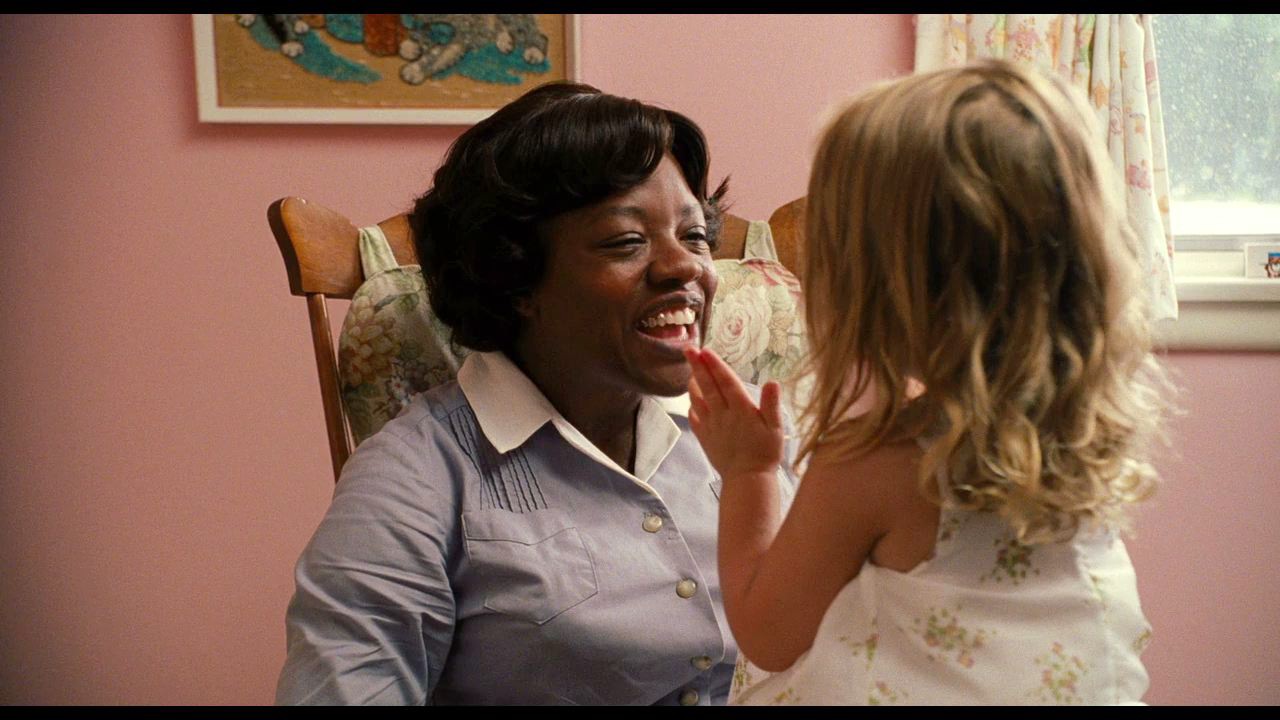
If you’ve watched or read The Help, you probably remember the tiny, curly-haired girl with the big eyes. Mae Mobley Leefolt. She is the quiet heartbeat of the entire narrative, yet she’s often pushed to the side in discussions about Skeeter’s ambition or Hilly’s villainy.
Honestly, it’s easy to focus on the big drama. But Mae Mobley? Her story is the most tragic—and hopeful—part of the whole thing.
She’s a toddler caught in a crossfire of 1960s racial tension and deep-seated parental neglect. You’ve got Elizabeth Leefolt, a mother who basically views her own daughter as a failed accessory, and Aibileen Clark, the maid who steps in to fill a void that should never have existed in the first place.
Most people see the "You is kind" scene and think it’s just a sweet moment. It’s not. It’s a survival tactic.
Why the Help Mae Mobley Relationship is So Complicated
In the world of Jackson, Mississippi, the bond between a white child and a Black domestic worker was a ticking time bomb. Aibileen knows this. She’s seen it seventeen times before.
She raises these babies, loves them, and then watches them turn into their parents. It’s a cycle of heartbreak. But with Mae Mobley, things feel different. Aibileen is grieving her own son, Treelore, and she pours that untapped maternal energy into a child who is being verbally and sometimes physically abused by her own mother.
The Tragedy of Elizabeth Leefolt
Elizabeth isn't just "mean." She’s a woman trapped by her own insecurities and the rigid social hierarchy of the South. She views Mae Mobley as "unattractive" or "difficult." There’s a scene where she hits the toddler for using the "colored" bathroom outside.
Think about that for a second.
A mother strikes her child not because the child did something dangerous, but because the child didn't yet understand the concept of segregation. Mae Mobley didn't see "Black" or "White." She just saw Aibileen.
Aibileen’s Silent Rebellion
Aibileen uses those famous affirmations—"You is kind, you is smart, you is important"—as a shield. She is literally trying to deprogram a child while the child is still being programmed.
It’s a secret war.
She tells Mae Mobley stories about civil rights and equality, disguised as simple games. She’s trying to build a person who will eventually stand up to the very system they were born to lead. It’s risky. If Elizabeth or Hilly found out, Aibileen wouldn't just lose her job; she’d be in physical danger.
What Really Happens to Mae Mobley at the End?
The ending of The Help is bittersweet, mostly because we don't get a "happily ever after" for the little girl. When Aibileen is fired—framed by Hilly Holbrook for stealing silver—she has to leave Mae Mobley behind.
It’s gut-wrenching.
Mae Mobley is crying, pressing her face against the window, screaming for Aibileen. She’s losing her real mother. Elizabeth is left standing there, forced to finally "parent" a child she doesn't understand and seemingly doesn't like.
The Book vs. The Movie
In the film, there’s a sense of closure. Aibileen walks away, and we’re led to believe Mae Mobley will be okay because of the seeds Aibileen planted.
The book is a bit darker.
It leaves you wondering: will those affirmations stick? Or will the constant pressure of 1960s society eventually crush the "kind" and "smart" parts of her? Aibileen’s hope is that Mae Mobley becomes like Skeeter—someone who sees the cracks in the system and tries to fix them.
The Reality Behind the Fiction
Kathryn Stockett, the author, has been open about the fact that she was raised by a maid named Demetrie. In many ways, Mae Mobley is a stand-in for the white children of that era who were raised in a confusing duality of love and systemic hate.
However, critics like those at A Critical Review of the Help point out that this "Mammy" trope can be problematic. It often portrays the Black domestic worker as existing solely to fix the emotional problems of white families, sometimes at the expense of their own children.
Aibileen’s devotion to Mae Mobley is beautiful, but it’s also a product of a system that gave her very few other places to put her love.
Actionable Insights: Lessons from Mae Mobley's Story
Whether you're a fan of the book or just interested in the history, there are real-world takeaways from this character's arc.
- Words Create Reality: The "You is kind" mantra is a psychological tool. If a child hears something enough, they believe it. This works for both positive and negative reinforcement.
- Systemic Change Starts Small: Aibileen couldn't overthrow the Jim Crow laws by herself, but she could change the mind of one future voter. That's a powerful lesson in grassroots influence.
- Acknowledge the Labor: The story forces us to look at the invisible emotional labor performed by domestic workers—then and now.
- Watch for the "Invisible" Child: Mae Mobley represents children who fall through the cracks because they don't meet a specific social standard. Recognition and validation are often the only things that save them.
If you're revisiting the story, pay closer attention to the scenes where Mae Mobley isn't speaking. Look at her reactions to her mother's friends. She is the witness to everything Jackson, Mississippi, was trying to hide.
Next Steps for Deepening Your Understanding:
- Read the Original Source: If you've only seen the movie, read the book. The internal monologues of Aibileen provide much more context on why she chose Mae Mobley as her "special project."
- Research the "Mammy" Archetype: Look into historical critiques of the Southern domestic worker trope to understand the complexity and the controversy surrounding how these stories are told.
- Explore Real Oral Histories: Check out the Federal Writers' Project or similar archives to hear the real voices of women who worked as domestic help during the 1960s.