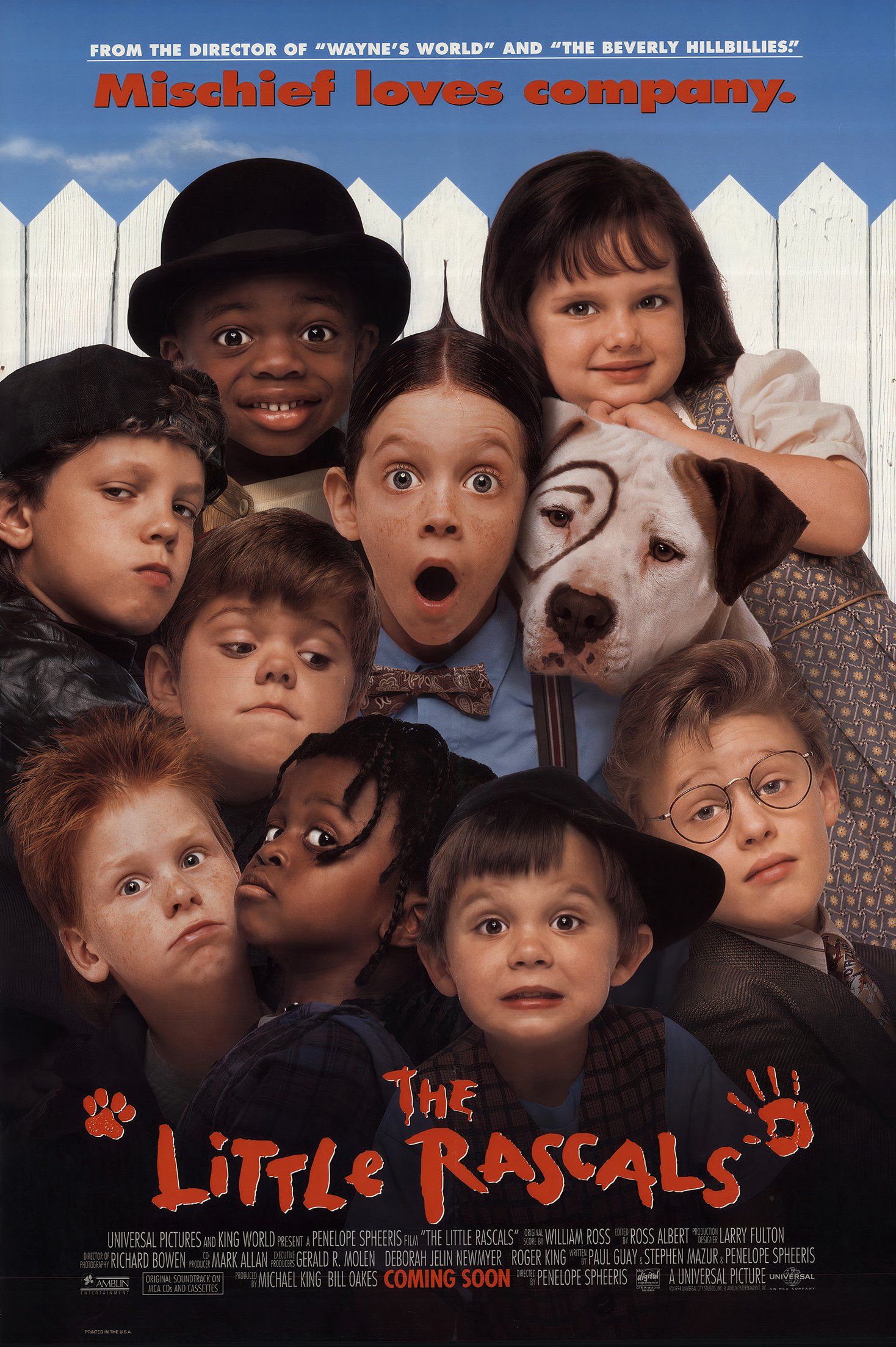
He was the guy who made you want to roll your eyes. In the 1994 cult classic film The Little Rascals, Waldo Aloysius Johnston III was the ultimate "rich kid" foil to Alfalfa’s everyman charm. But a huge part of why Waldo was so insufferable—in the best comedic way possible—was his father. The Little Rascals Waldo's dad character represented everything the He-Man Woman Haters Club wasn't: wealth, oil money, and a total lack of "street cred" in the neighborhood.
Most people remember Waldo's smug face, but it was the veteran comedic actor Donald "Don" Ameche who originally looked like the pick for the elder Johnston, though that didn't happen because he passed away before filming. Instead, the role went to a man who was already a household name in the 1990s.
That man was Donald Trump.
Why the Casting Worked (and Why It’s Still Weird)
It's actually kind of wild to look back on now. In 1994, Trump wasn't a politician. He was the literal embodiment of New York real estate and "The Art of the Deal." Casting him as the father of a kid who arrives at a soapbox derby in a motorized, high-tech vehicle while the other kids are using scrap wood was a stroke of meta-casting genius.
He didn't have much screen time. He didn't need it. He just had to sit there, look rich, and deliver a line that solidified Waldo’s status as the villain. When Waldo is bragging about his father’s wealth, we see the elder Johnston on a cellular phone—the brick-sized kind that only billionaires carried back then—telling his son that he’s the "best son money can buy."
It was a tongue-in-cheek nod to his public persona. Penelope Spheeris, the director of the film (who also gave us Wayne's World), knew exactly what she was doing. She wanted the film to feel like a timeless 1930s short but with these bizarre, 1990s pop-culture spikes.
The Dynamic Between Waldo and His Dad
Waldo, played by Blake McIver Ewing, wasn't just born annoying. He was molded by the "best son money can buy" philosophy. In the original Our Gang shorts from the 1920s and 30s, the Waldo character was usually a "pretty boy" or a rich kid, but the 1994 version turned the dial up to eleven.
Think about the Soap Box Derby scene.
While Spanky and Alfalfa are struggling with the "Blur," a vehicle held together by hope and duct tape, Waldo’s dad has basically funded a NASA-grade racing machine. This creates the primary conflict. It’s not just a race between kids; it’s a race between the working-class spirit of the Rascals and the corporate, oil-funded juggernaut of the Johnstons.
The relationship is purely transactional. You don't see them hugging. You see them winning. Or trying to. Waldo's Dad is the catalyst for Waldo's arrogance. Without that billionaire backing, Waldo is just a kid with a weird haircut and a decent singing voice.
Breaking Down the Cameo Culture of 1994
The 1994 movie was absolutely packed with cameos. You had Reba McEntire as A.J. Ferguson, Whoopi Goldberg as Buckwheat’s mom, and even Mel Brooks as the neighborhood doctor. But the Little Rascals Waldo's dad cameo stands out because it wasn't a "funny" actor playing a role. It was a famous person playing a version of themselves.
Honestly, it’s one of the reasons the movie has such a strange staying power. It captures a very specific moment in the mid-90s where the lines between celebrity, business, and entertainment were starting to blur.
Interestingly, Blake McIver Ewing has spoken in interviews later in life about the experience on set. He mentioned that despite the public persona, the interaction was professional. It was a quick shoot. The "oil tycoon" vibe was effortless because the set decorators barely had to change anything about the actor's actual wardrobe or style at the time.
The Impact on the Plot
If you remove Waldo’s dad, the stakes of the movie drop significantly.
Every great kids' movie needs a "Final Boss." In The Little Rascals, the final boss isn't just Waldo; it's the influence of Waldo's father. That influence allows Waldo to steal Alfalfa’s girl (Darla) using a yacht and a fancy picnic. It allows him to enter a superior car in the race.
When Alfalfa finally wins, he isn't just beating a rival suitor. He's beating the "unbeatable" resources of the Johnston family. It's the classic underdog story, and the elder Johnston provided the perfect, immovable object for the Rascals to overcome.
Fact-Checking the History: Was there an "Original" Waldo's Dad?
In the original Hal Roach Our Gang shorts, Waldo's parents were rarely a focal point in the way they were in the 90s remake. The original Waldo (often played by Waldo Terrence) was usually just a "fancy" kid. The decision to make the father a prominent "Oil Baron" was a specific choice for the 1994 screenplay written by Paul Guay, Stephen Mazur, and Penelope Spheeris.
They wanted to modernize the rivalry. In the 30s, being a "sissy" or a "teacher's pet" was enough to make you a villain. By 1994, audiences understood the "rich vs. poor" trope much better.
Why People Still Search for This Today
Mostly, it’s the "Wait, was that actually him?" factor.
Gen Z and Millennials who grew up on the VHS tape of The Little Rascals often re-watch it as adults and have a collective realization. It’s a "Mandela Effect" style moment for many, even though it was never hidden. The irony of the "best son money can buy" line has only ripened with age, given the actor's eventual path to the White House.
It’s a piece of trivia that bridges two completely different worlds: 90s nostalgia and modern political history.
Moving Beyond the Cameo: What to Watch Next
If you're diving back into the world of The Little Rascals, don't just stop at the Waldo scenes. The 1994 film is a masterclass in production design. To truly appreciate the context of the Waldo/Alfalfa rivalry, you should check out these specific elements:
- The Original Shorts: Look for the 1930s episodes featuring Waldo to see how the "rich kid" archetype evolved.
- The Casting Documentaries: There are several "Where are they now" features on the 1994 cast that discuss the surreal nature of the cameo-heavy set.
- Penelope Spheeris’ Commentary: Her insights into how she balanced the classic "Our Gang" feel with 90s cynicism are fascinating.
To understand the full scope of the Little Rascals Waldo's dad character, you have to look at him as a symbol rather than just a person. He represented the "Gilded Age" obstacle that the Rascals had to climb over to prove that friendship and scrap-metal ingenuity still mattered.
The next time you catch the movie on a streaming service, watch that Derby scene again. Look at the contrast between the kids' handmade helmets and Waldo’s professional gear. It tells you everything you need to know about the Johnston family legacy.
Actionable Insights for Fans and Researchers:
- Verification: Always cross-reference 90s cameos through the official IMDb credits or the American Film Institute (AFI) catalog to separate internet rumors from actual appearances.
- Context: Recognize that many cameos in 90s family films (like Home Alone 2 or The Little Rascals) were filmed in single-day sessions, which is why the characters often feel disconnected from the main cast.
- Legacy: Use the "Our Gang" archives at the University of Southern California (USC) if you are researching the deeper history of the Waldo character’s origins in the early 20th century.