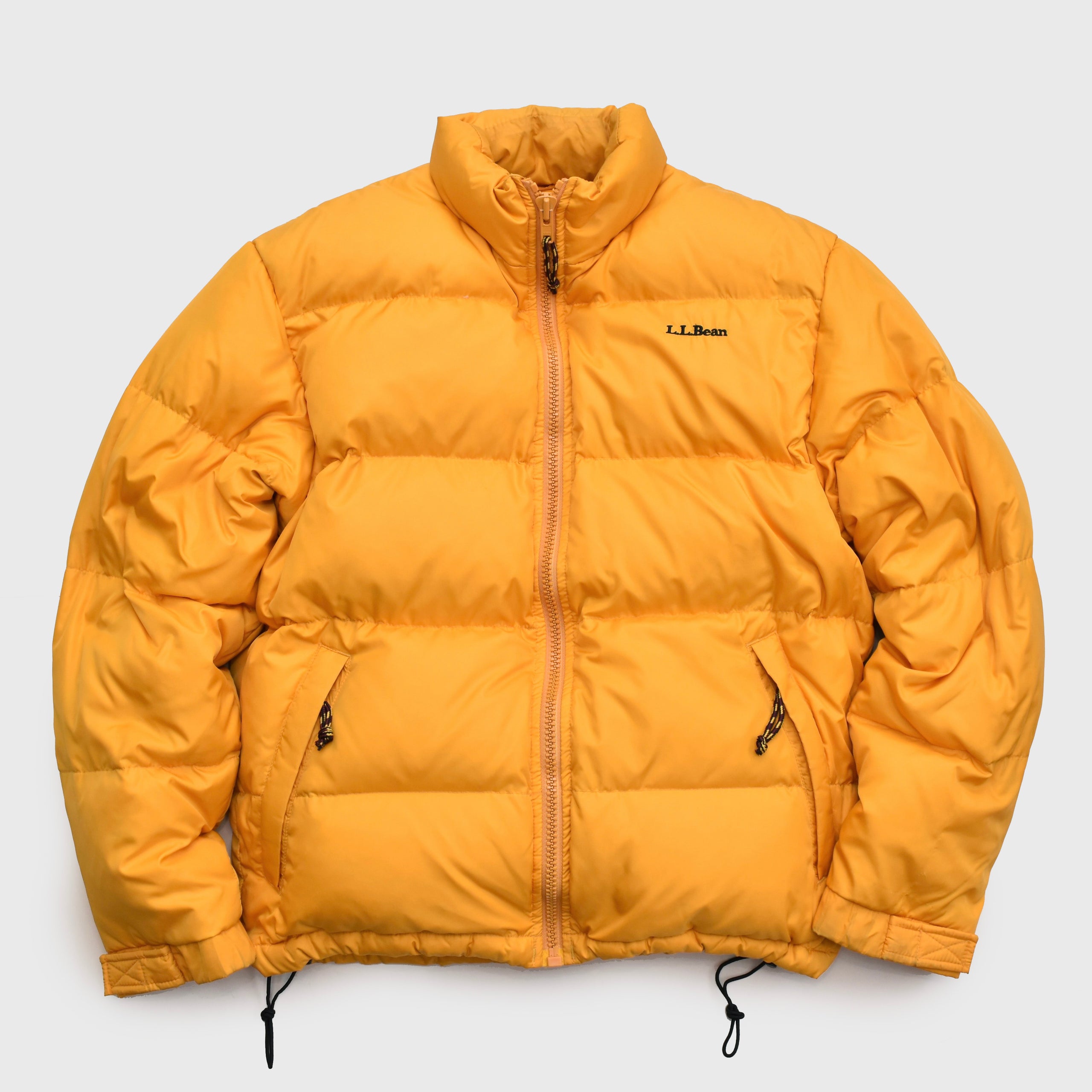
Honestly, the Maine-based outdoor giant has been around so long it feels like part of the furniture. But when you’re looking for an L.L. Bean goose down jacket women's style, you aren't just buying furniture. You’re trying to survive a February wind chill that feels like it’s trying to peel the skin off your face. It's a weird market right now. You have these ultra-technical brands charging eight hundred bucks for a parka that looks like a trash bag, and then you have fast-fashion knockoffs that lose their feathers after three weeks. L.L. Bean sits in that awkward, middle-ground sweet spot.
Does it actually hold up?
People get obsessed with fill power. They see a "down" label and assume they’re getting a cloud-wrapped hug. That's not always the case. If you're walking the dog in suburban Ohio, your needs are radically different from someone ice fishing on Lake Moosehead. Let's get into the weeds of what makes these jackets actually work—and where they might let you down.
The Science of Stay-Warm: What’s Actually Inside?
When we talk about the L.L. Bean goose down jacket women's line, we’re usually talking about their "Ultralight" or "Mountain Classic" series. The core of the warmth comes from goose down, specifically the fluffy undercoating of the bird. Unlike duck down, goose down clusters are generally larger and more resilient. This matters because warmth isn't created by the feathers; it’s created by the air trapped between them.
Fill power is the metric everyone quotes. L.L. Bean typically uses 850-fill-power down for their premium jackets. That’s high. For context, 500 is average, and 900 is basically the gold standard for Himalayan expeditions. By using 850, they keep the jacket light. You don't feel like the Michelin Man. You can actually move your arms.
DownTek is the Real MVP
Historically, down had a fatal flaw. If it got wet, it turned into a clump of cold, useless mush. It lost its loft. It stopped trapping air. In 2012, L.L. Bean started using DownTek. This is a PFC-free water-repellent treatment applied directly to the down clusters. It’s a game-changer. I’ve seen these jackets get caught in a sleet storm, and while the nylon shell gets damp, the down inside stays dry and fluffy. It maintains its loft 10 times longer than untreated down.
Why Fit is Often a Dealbreaker
L.L. Bean is notorious for "New England sizing." If you’re used to European brands like Arc'teryx or Mammut, you’re in for a surprise. Their stuff runs big.
A "Medium" in an L.L. Bean goose down jacket women's cut is often what other brands would call a Large. This is intentional. The brand assumes you're layering. They expect a flannel shirt or a thick wool sweater underneath. If you want that sleek, "athleisure" look, you almost always have to size down.
The tailoring has improved, though. A decade ago, their women's jackets were basically squares with sleeves. Now, you see more princess seams and articulated elbows. It follows the curve of the body without being restrictive. But let's be real: it's still a "classic" fit. It’s for people who prioritize comfort and utility over high-fashion silhouettes.
The Ultralight 850 vs. The Bean's 850 Puffer
It's easy to get these two confused. The Ultralight 850 is the one you can stuff into its own pocket. It’s thin. Scary thin. You pick it up and think, "There is no way this is keeping me warm." But it does. It uses a Pertex Quantum shell, which is a tightly woven nylon that prevents feathers from poking through.
The Bean's 850 Puffer is the bulkier sibling. It has more "puff." It feels more substantial.
Which one do you actually need?
If you travel, get the Ultralight. It’s basically a pillow in your carry-on. If you’re standing at a kids’ soccer game in November for three hours, get the Puffer. The extra physical barrier against the wind makes a psychological difference, even if the fill power is technically the same.
A Critical Look at Durability
Let's talk about the zippers. Everyone ignores zippers until they break in a parking lot when it’s 10 degrees out. L.L. Bean generally uses YKK zippers, which are the industry standard for a reason. They don't snag as much as the cheap plastic ones found on budget brands.
The shell material is usually a 100% recycled nylon. It's tough, but it isn't bulletproof. If you hike through thick brush or have a dog with sharp claws, you will get a tear eventually. The good news? Down jackets are surprisingly easy to patch with Gear Aid Tenacious Tape. It doesn't look pretty, but it keeps the feathers in.
One thing people complain about is "leakage." You will see a stray feather occasionally. That’s normal. Down is tiny and has sharp quills. If you see a feather poking out, never pull it. Reach from the inside and pull it back into the jacket. Pulling it out makes the hole bigger.
Sustainability and Ethics
The outdoor industry has a dark history with down harvesting. It’s grim. Fortunately, L.L. Bean adheres to the Responsible Down Standard (RDS). This means the down is a byproduct of the food industry, and the birds are treated humanely. No live-plucking. No force-feeding.
They’ve also moved away from "forever chemicals" (PFAS) in their water-repellent coatings. It’s a move the whole industry is making, but Bean was relatively early to the party. Is it perfectly eco-friendly? No. It’s still a petroleum-based product. But compared to the fast-fashion alternatives, it’s a much more responsible purchase.
Real World Performance: The Coffee Test
I once saw a woman spill an entire hot latte down the front of her Ultralight 850. Because of the DWR (Durable Water Repellent) coating on the shell, most of it just beaded off. She wiped the rest with a napkin. No stain. No soggy down.
That’s the kind of performance you pay for.
However, don't expect it to be a raincoat. In a heavy downpour, the seams will eventually leak. It’s a "dry cold" jacket or a "light snow" jacket. If it’s raining, put a hardshell over it.
Comparing the Price Point
Look, you can go to a big-box store and find a "down-alternative" jacket for fifty dollars. It’ll be heavy, it won't breathe, and it'll smell like a gym bag after two months.
On the flip side, you can spend $900 on a Canada Goose.
An L.L. Bean goose down jacket women's usually sits between $200 and $350. In the world of high-quality outerwear, that’s actually a bargain. You’re paying for the warranty—which isn't "lifetime" anymore like it was in the 90s, but it's still one of the best in the business—and the quality of the fill.
The Used Market Secret
Because these things are built like tanks, the secondary market is huge. Check eBay or Poshmark. You can often find a barely-used 850 Down hooded jacket for half the retail price. Just make sure the previous owner didn't wash it with regular detergent. Regular detergent strips the natural oils from the down and ruins the loft. Always use a specific down wash like Nikwax.
Who Is This Jacket NOT For?
- Extreme Athletes: If you’re doing high-intensity ski touring, you’ll sweat through this. You need something with more mechanical venting.
- Strict Vegans: Obviously, it’s a bird product. L.L. Bean offers PrimaLoft versions which are synthetic and quite good, though they don't pack down as small.
- Ultra-Fashionistas: If you want the "European slim cut," this is going to feel frumpy to you.
Maintenance: The Secret to Longevity
Don't wash it every week. You'll kill it.
When you do wash it, use a front-loading machine. Never use a top-loader with an agitator; it’ll rip the baffles apart. Throw it in the dryer on low heat with three clean tennis balls. The tennis balls are crucial. They smack the down clusters apart as they dry, restoring the loft. If you don't use them, you’ll end up with a jacket that has "cold spots" where the down has clumped together.
It takes forever. Like, three cycles. Be patient.
Final Verdict on the L.L. Bean Goose Down Jacket Women's
It isn't the trendiest item in the world. It’s "Maine Chic." But in terms of thermal efficiency per dollar, it’s hard to beat. The 850-fill power is genuine, the DownTek works, and the sizing—while generous—is comfortable for actual human beings who like to eat lunch.
If you want a jacket that will last you five to ten winters without losing its ability to keep you warm, this is the one. Just remember to size down if you aren't planning on wearing three sweaters underneath.
Actionable Next Steps
- Check Your Measurements: Don't guess your size. Use the L.L. Bean "Fit Finder" tool on their site, but generally, expect to size down if you prefer a modern fit.
- Identify Your Climate: If you live in a damp climate (like the Pacific Northwest), the DownTek treated goose down is non-negotiable. Don't settle for untreated down.
- Inspect the Baffles: Look for "sewn-through" construction vs. "box-wall." Most L.L. Bean light jackets are sewn-through, which is fine for moderate cold. For sub-zero temps, look for their heavier parkas with box-wall construction to eliminate cold spots at the seams.
- Invest in Down Wash: Buy a bottle of Nikwax Down Wash Direct now. Don't wait until you've already ruined the jacket with Tide.