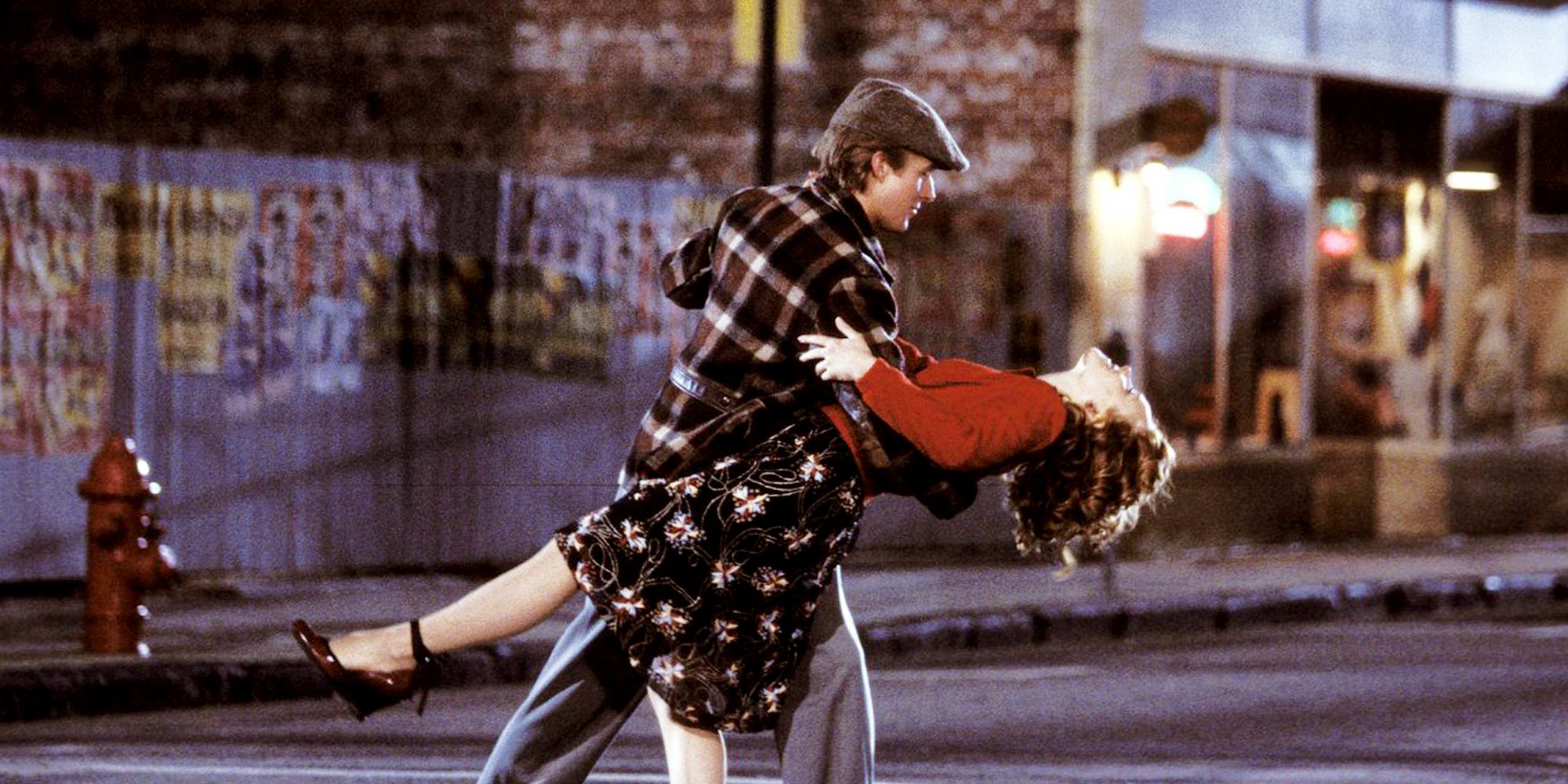
It wasn't even supposed to be that dramatic. Seriously. When Nick Cassavetes sat down to direct the film adaptation of Nicholas Sparks’ mega-hit novel, he probably knew he had a decent romance on his hands. But he couldn't have predicted that a single sequence involving a rowboat, some aggressive South Carolina precipitation, and a blue dress would become the gold standard for cinematic longing. We’re talking about The Notebook rain scene. It’s the moment that launched a thousand parodies and basically defined Ryan Gosling’s career before he became a plastic-fantastic Ken.
You know the one.
Noah and Allie are out on the water. The sky opens up. They get soaked. Allie—played by Rachel McAdams with a level of intensity that honestly deserves more retrospective credit—finally snaps. She screams about why he didn't write her. He screams back that he wrote her 365 letters. A year's worth. Then comes the kiss. It’s messy, loud, and incredibly wet.
But why does this specific three-minute window of film still dominate our social feeds and "best of" lists? It’s not just the chemistry, though that was undeniably electric because, as Hollywood lore tells us, the two leads actually couldn't stand each other when filming began. It’s about the release of tension. Seven years of narrative frustration boiling over in a storm.
The Reality of Filming The Notebook Rain Scene
Most people think movie sets are glamorous. This one was a nightmare.
To get that specific look, the production used massive rain birds—huge overhead sprinklers—to douse the actors. It wasn't a light drizzle. It was a torrential downpour on command. If you look closely at McAdams’ face during the "Why didn't you write me?" monologue, she’s squinting. She’s struggling to keep her eyes open because the water pressure was so high.
Cassavetes wanted it to feel primal. He didn't want a "pretty" Hollywood rain where every hair stays in place. He wanted a drowning sensation.
That Famous Blue Dress
Costume designer Karyn Wagner had a very specific task: make Allie look vulnerable but vibrant. The blue dress she wears during the The Notebook rain scene wasn't just a random find. It was custom-made to react to water. Some fabrics get heavy and saggy when wet; others go transparent. Wagner needed something that would cling just enough to show the silhouette without becoming a wardrobe malfunction.
The color was vital, too. In a sea of grey sky and murky lake water, that cornflower blue pops. It draws your eye directly to Allie’s emotional breakdown. Interestingly, the dress had to be duplicated multiple times because once a take was over, the original was a soggy mess that would take hours to dry.
The 365 Letters: A Narrative Pivot
"I wrote you 365 letters. I wrote you every day for a year!"
It’s the line everyone remembers. But let’s look at the actual logic here. Noah’s dedication is portrayed as the ultimate romantic gesture, yet in a modern context, some critics argue it leans toward the obsessive. This is where the nuance of the film lives. In the early 1940s setting of the movie, letter writing was the only lifeline.
The scene works because it validates Allie’s anger. For years, she thought she was ghosted. She moved on, got engaged to Lon Hammond (James Marsden, who basically made a career out of playing the "other guy" you actually kind of like), and tried to bury her past. The revelation in the rain changes the context of her entire adult life. It wasn't that he didn't want her; it was that her mother, Anne Hamilton, intercepted the mail.
- Fact Check: In the original Nicholas Sparks novel, the timeline is slightly different, but the emotional beat of the intercepted letters remains the core conflict.
- Production Detail: The scene was filmed at Cypress Gardens in Moncks Corner, South Carolina. The lake is actually famous for its "blackwater" cypress trees, which give the water that dark, reflective quality.
The Gosling/McAdams Paradox
It’s one of the most famous behind-the-scenes stories in Hollywood. Ryan Gosling and Rachel McAdams did not get along at the start. Gosling reportedly asked Cassavetes to remove her from the set and bring in another actress for a screen test because he felt they had "no chemistry."
They had a screaming match in a trailer.
They vented all their frustrations.
And somehow, that friction translated into the most believable romantic tension of the 2000s. By the time they were filming the The Notebook rain scene, that real-life heat had turned into a working relationship that eventually became a real-life romance. When they won the MTV Movie Award for Best Kiss in 2005, they recreated the jump-and-straddle move from the rain scene on stage. It remains one of the most-viewed clips in the award show's history.
Why the Rain Matters Symbolically
Water is a classic literary device for rebirth or "cleansing." Original, right? Maybe not, but it works. In this movie, the rain acts as a barrier between the "real world" and the "Noah/Allie world."
Once they are wet, they are stripped of their social standings. Allie isn't a rich heiress in that moment, and Noah isn't a laborer. They’re just two people who have been miserable for a decade. The storm provides a "mask" of sorts—the noise of the rain muffles the world, allowing them to finally be honest.
Technical Challenges of the Shoot
Shooting on water is a logistical hellscape. You have boats drifting out of frame. You have sound equipment that hates moisture.
The audio team on The Notebook had a massive challenge because the sound of the artificial rain was so loud it threatened to drown out the dialogue. The actors had to wear "mics" that were carefully hidden and waterproofed, but a lot of the dialogue in that scene had to be re-recorded in a studio later—a process called ADR (Automated Dialogue Replacement).
If you listen closely to the audio track, the voices are incredibly crisp despite the visual chaos. That’s the magic of post-production. They had to match the raw, screaming emotion of the lakefront while sitting in a dry, quiet booth in Los Angeles months later.
Misconceptions About the Ending of the Scene
A lot of people remember the rain scene as the "ending" of their conflict. It’s actually just the beginning of the third act. It leads to the "It wasn't over, it still isn't over" sequence inside the house.
The scene is often conflated with the ending of the movie because of its emotional weight. It’s the climax of the young Noah and Allie story, even if the actual resolution involves the older versions of the characters (played by James Garner and Gena Rowlands) in the nursing home.
The "Best Kiss" Legacy
If you search for "best movie kisses," this scene is almost always in the top three, usually competing with Titanic or Spider-Man.
What sets The Notebook rain scene apart is the lack of "gloss." In Titanic, they’re on a sunset-lit ship with a sweeping orchestra. In The Notebook, they’re soaked, Allie’s makeup is running, and the boat is probably taking on water. It feels desperate.
That desperation is what makes it "human-quality" storytelling. It taps into a universal fantasy: the idea that even after years of silence and mistakes, one honest conversation can fix everything.
How to Apply the Lessons of The Notebook to Modern Romance
Honestly, don't go standing in a rainstorm to resolve an argument. You’ll get a cold.
But there is a takeaway here regarding communication. The entire tragedy of Noah and Allie was a lack of information. He thought she forgot him; she thought he moved on.
- Check your "inbox" (metaphorically). Misunderstandings are usually the result of missing data. Before assuming someone ghosted you, consider if there's a "mother" (or a technical glitch, or a busy life) blocking the path.
- Embrace the mess. The most iconic scene in romance history involves two people looking their absolute worst. Vulnerability is more attractive than perfection.
- Timing is everything. Noah and Allie needed that time apart to realize they couldn't live without each other. Sometimes the "rain" doesn't come until you're ready to handle the storm.
The The Notebook rain scene works because it is the perfect intersection of luck, casting, and a director who knew when to let his actors just scream at the sky. It’s a reminder that in film, as in life, the biggest breakthroughs often happen right in the middle of a mess.
If you want to understand the lasting impact of this scene, look at how often it's referenced in pop culture—from Saturday Night Live to modern rom-coms that try (and usually fail) to capture that same level of raw, unpolished yearning. It’s a singular moment that defined a generation’s expectations of what "true love" looks like when the weather gets bad.
To truly appreciate the craftsmanship, re-watch the sequence and pay attention to the silence right before the rain starts. It’s the calm before the storm that makes the payoff so satisfying. Then, look at the way the camera stays tight on their faces—it ignores the scenery because, in that moment, nothing else exists. That focus is why we’re still talking about it twenty years later.
For those looking to dive deeper into the history of romance films, start by comparing this scene to the rain-soaked climax of Pride & Prejudice (2005). You'll see two very different ways of handling the same trope: one through restrained British yearning, and the other through the loud, unapologetic American emotion of The Notebook. Both are valid, but only one involves a rowboat and 365 unread letters.