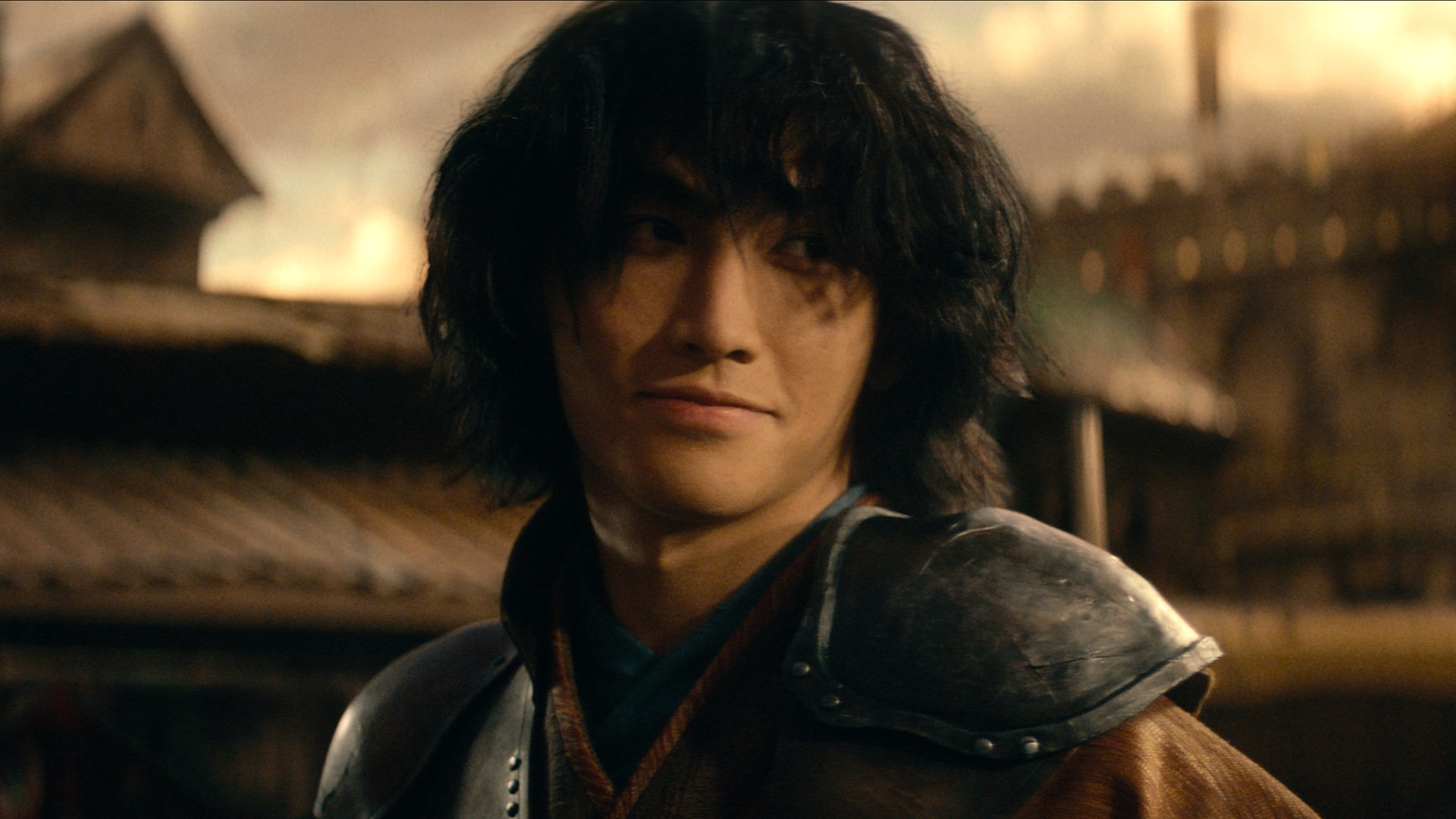
Jet has always been a lightning rod for the Avatar: The Last Airbender fandom. He’s the classic anti-hero—charming, dangerous, and fueled by a righteous fury that eventually curdles into something unrecognizable. When Netflix announced the jet live action avatar casting, fans were cautiously optimistic. Sebastian Amoruso definitely looked the part. He had the hooks, the smoldering gaze, and the swagger. But once the show actually dropped, something felt... off.
It wasn't just the acting. Honestly, Amoruso did a solid job with the material he was given. The issue was the writing. In the original Nickelodeon series, Jet is a cautionary tale about how war can turn a victim into a monster. In the live-action adaptation, his story gets tangled up in a compressed timeline that robs him of his weight.
What the Netflix Version Changed (and Why It Matters)
In the 2005 animation, Jet’s introduction is a masterclass in slow-burn tension. We meet him in the woods. He saves the Gaang. He feels like an older brother to Sokka and a crush for Katara. You spend an entire episode growing to like him before the rug is pulled out from under you. You realize he’s willing to drown a village of innocent civilians just to kill a few Fire Nation soldiers. It's dark. It's messy.
The jet live action avatar arc in the Netflix version? It happens fast. Way too fast. By smashing the Omashu storyline together with the Freedom Fighters, the show forced Jet into a crowded narrative. Instead of being the leader of a rogue band of forest rebels, he’s basically a guy hanging out in the city.
The stakes feel smaller. In the cartoon, the reservoir plot is a massive, looming threat. In the live action, his plan feels like a secondary beat in a larger Omashu plot involving King Bumi and Teo. When you lose that isolation—that feeling of the Freedom Fighters being a law unto themselves in the deep woods—Jet loses his edge. He feels less like a revolutionary and more like a disgruntled teenager with a grudge.
The Chemistry Problem
Let’s talk about Katara. Her relationship with Jet is supposed to be her first real brush with romantic betrayal. It’s a pivotal moment for her character growth. In the original, Katara’s trust in Jet is what makes his betrayal hurt so much. She sees a version of what she could become if she let her grief for her mother turn into pure hatred.
The live action tries to replicate this, but because they only have a handful of scenes together before the "twist," the emotional payoff isn't there. You don't see them bonding over their shared trauma in a way that feels organic. It’s rushed. It’s "Tell, Don't Show." We are told they have a connection, but we don't feel it. Without that bond, Jet isn't a tragic figure; he’s just a jerk she met at a protest.
Sebastian Amoruso vs. The Script
Amoruso deserves credit. He nailed the physical presence of the character. The way he handles the hook swords is actually one of the highlights of the show's choreography. He brings a certain "cool factor" that the character absolutely needs. You can see why a younger Katara would be enamored with him.
However, the script denies him the complexity that made the original Jet so memorable. In the animation, Jet is terrifying because he believes he is the hero. He doesn’t see himself as a villain. The live-action version leans a bit too hard into the "edgy" aesthetic without giving us the philosophical depth. We needed more of those quiet moments where Jet explains why the Earth Kingdom's "rules" don't apply to a boy who watched his home burn.
The Problem With Combining Storylines
The decision to put Jet in Omashu was likely a budget or pacing move. Netflix wanted to consolidate locations. But look at what we lost:
- The Forest Hideout: That treehouse village was iconic. It showed the Freedom Fighters’ ingenuity.
- The Smellerbee and Longshot Dynamics: These characters were barely more than background extras. In the original, they were a family.
- The Moral Ambiguity: By making Jet’s actions part of the Omashu chaos, his individual agency is diluted.
Did They Get the Combat Right?
If there is one area where the jet live action avatar succeeds, it’s the bending-vs-non-bending combat. Watching a non-bender hold his own against powerful benders is always a treat in the ATLA universe. The Netflix show actually did a decent job showing how Jet uses the environment. His hooks aren't just for show; they are tools.
They also kept his signature straw in his mouth. It’s a small detail, but it matters to the fans. It gives him that specific "ronin" vibe that the creators originally intended. But even the best choreography can’t save a character from a hollowed-out backstory.
The Ba Sing Se Question
One of the biggest questions remaining is whether we will see Jet again in Season 2 or 3. In the original series, Jet’s redemption arc in Ba Sing Se is where he truly becomes a fan favorite. His brainwashing by the Dai Li and his ultimate (and ambiguous) fate are some of the most mature themes the show ever tackled.
If Netflix follows the same path, they have a chance to fix the mistakes of Season 1. They can give Jet the room to breathe. They can show him trying to change, only to be caught in the gears of a different kind of war. But they have to commit to his character as more than just a plot device to move Aang from point A to point B.
Actionable Takeaways for Fans and Writers
If you’re a fan of the franchise or a writer looking to understand why some adaptations fail where others succeed, the Jet situation offers a few key lessons.
Character agency is non-negotiable. When you move a character from their original setting, you have to ensure their motivations move with them. Jet in the woods was a king. Jet in Omashu was a guest star.
Pacing kills nuance. You cannot rush a heel-turn. For a betrayal to matter, the audience has to fall in love with the character first. If you're adapting a beloved story, don't be afraid to let the characters sit still for a moment.
Physical accuracy isn't enough. Sebastian Amoruso looked perfect, but looking like a character is only 10% of the battle. The other 90% is the interiority of the role.
For those rewatching the live action, keep a close eye on the dialogue during the Omashu arc. Notice how often Jet is used to explain the world to the audience rather than just living in it. It’s a common pitfall in big-budget fantasy. If you want to see the "real" Jet, the 2005 episode "Jet" (Season 1, Episode 10) remains the gold standard for how to write a compelling, dangerous, and heartbreaking anti-hero.
To truly understand the impact of this character, compare his final stand in the live action to the reservoir scene in the animation. The difference in emotional weight tells you everything you need to know about the transition from animation to live action. Focus on how the lack of a "ticking clock" (the dam) changes the urgency of the scene. Understanding these structural changes is the best way to analyze why certain adaptations feel "off" even when they get the visuals right.