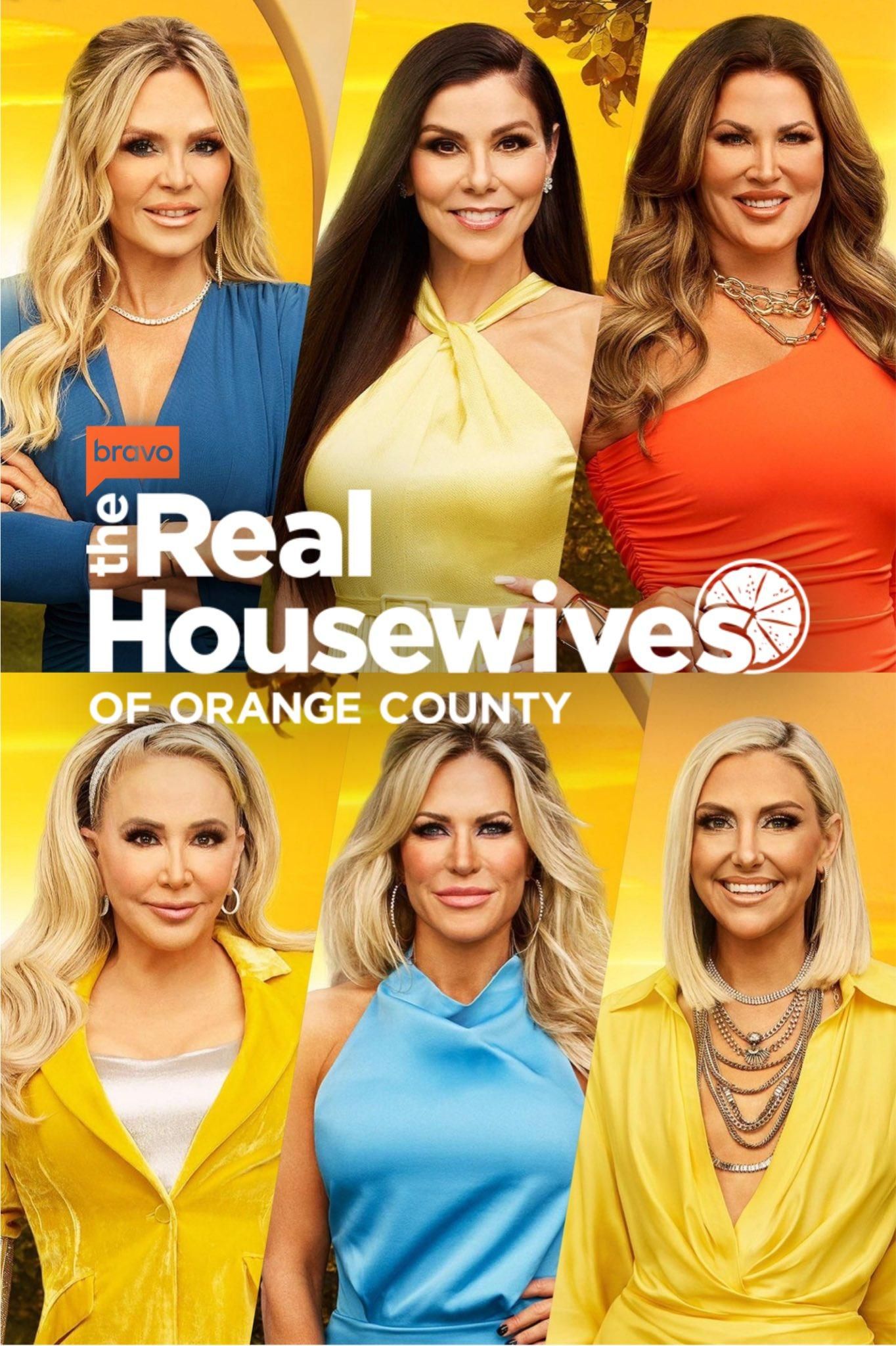
It was March 2006. Gas was $2.50 a gallon, everyone was rocking low-rise jeans, and a little show called The Real Housewives of Orange County premiered on Bravo. Nobody knew it would change TV forever. It didn't look like the polished, high-glam production we see today. Honestly, the first season felt more like a documentary you’d find on a dusty DVD shelf at the library. It was raw. It was slightly awkward. And the Real Housewives of Orange County original cast was just five women living behind the gates of Coto de Caza who had no idea they were about to birth a multi-billion dollar franchise.
Skywriting, "family vans," and backyard Botox parties weren't tropes yet. They were just... life. When Scott Dunlop and Vicki Gunvalson first pitched this thing (originally titled Behind the Gates), the goal was to peer into the "bubble" of wealthy suburban California. What they found was a mix of aspiration and deep-seated insecurity that resonated with millions.
The Five Women Who Built the House
You can't talk about the Real Housewives of Orange County original cast without starting with the "OG of the OC," Vicki Gunvalson. Vicki was different from the jump. While other reality stars wanted to be famous for being pretty, Vicki wanted you to know how hard she worked. She was the insurance queen. She was the one screaming about a family van being sent to pick up six people. She gave us the blueprint for the "career woman" housewife, even if her personal life—especially her marriage to Donn Gunvalson—eventually became the show's emotional anchor.
Then there was Jeana Keough. If Vicki was the fire, Jeana was the cool, slightly detached observer. A former Playboy Playmate and actress (you might remember her from the ZZ Top music videos), Jeana was a powerhouse in Orange County real estate. Her storyline was heavy. It focused on her crumbling marriage to MLB player Matt Keough and her kids, Shane, Kara, and Colton, who were trying to find their footing under the pressure of the OC lifestyle. Jeana represented the "old guard" of the community.
Jo De La Rosa: The Rule Breaker
Jo was the anomaly. She was young, she was engaged to the much older Slade Smiley, and she clearly didn't fit the "Stepford" mold the other women subtly projected. Her presence in the Real Housewives of Orange County original cast provided the necessary friction. She didn't want to stay home and cook. She wanted a music career. She wanted to go to clubs in Los Angeles. The tension between her desire for independence and Slade’s desire for a traditional trophy wife was the show’s first real "hook."
Lauri Peterson and Kimberly Bryant
Lauri Peterson (then Waring) was the "Cinderella" of the group. When we met her, she was a struggling single mom working for Vicki's insurance company. Her life was a far cry from the mansion-dwelling peers she surrounded herself with. Seeing her evolution from a cramped townhouse to marrying multi-millionaire George Peterson in later seasons was the ultimate wish-fulfillment arc for early 2000s audiences.
Then there was Kimberly Bryant. She’s often the "forgotten" member of the Real Housewives of Orange County original cast because she only stayed for one season. Kimberly was the quintessential OC blonde, but she brought a grounded perspective. Her departure was actually one of the most "real" moments in reality history—she moved to Chicago to protect her skin from the California sun after a melanoma scare. No drama, no "fired" rumors, just a practical health decision.
Why the Original Dynamic Worked So Well
Modern reality TV is curated. Cast members enter Season 1 with a glam squad, a PR person, and a list of "villain" moves they want to pull. The Real Housewives of Orange County original cast didn't have a map. They were just being themselves, which made for some truly strange, authentic television.
There were no organized "cast trips." The women didn't even film together that much. Most of the scenes were isolated glimpses into their individual families. It was only when they converged at Jeana’s backyard BBQ or a jewelry party that the sparks flew. This "siloed" filming style made the show feel more like a sociological study than a soap opera.
The Coto de Caza Factor
Geography was a character. Coto de Caza is a guard-gated private community. In 2006, the idea of a camera crew getting behind those gates was a massive deal. It felt voyeuristic. You weren't just watching women shop; you were seeing the high stakes of maintaining a certain image in a place where your neighbor's lawn mattered as much as your own.
The Evolution of the "Housewife" Archetype
Looking back at the Real Housewives of Orange County original cast, it’s fascinating to see how they set the tropes for every city that followed—New York, Atlanta, Beverly Hills, you name it.
- Vicki gave us the "Workaholic."
- Jeana gave us the "Matriarch with Secret Problems."
- Jo gave us the "Young Rebel."
- Lauri gave us the "Rags to Riches."
- Kimberly gave us the "Health-Conscious Suburbanite."
If these archetypes hadn't clicked, Bravo wouldn't be the powerhouse it is today. They tapped into something visceral: the realization that money doesn't actually make life easier; it just makes the problems more expensive.
Misconceptions About the First Season
People think the show was always about fighting. It wasn't. If you go back and rewatch Season 1, there's very little screaming. The conflict was subtle. It was about "keeping up with the Joneses." It was about Jo not having dinner ready when Slade got home. It was about Vicki’s son, Michael, wanting to go to parties instead of working at the insurance office.
Another big misconception is that the women were all best friends. They weren't. Some of them barely knew each other. The "friend group" was a loose association based on living in the same zip code. This actually made the show more believable. In real life, you don't always like the people you live next to.
The Cultural Impact of 2006 OC
We have to acknowledge the timing. The show launched right before the 2008 housing crisis. The Real Housewives of Orange County original cast represented the peak of pre-recession excess. Seeing Jeana sell massive homes or Vicki buy new cars felt like the American Dream on steroids. When the market crashed a few years later, the show's tone shifted dramatically, but that first season remains a time capsule of a very specific era in American history.
It’s also where "Reality TV Face" began. Before Instagram filters and easy access to fillers, we saw these women aging naturally on screen. Over the years, we watched their appearances change alongside the technology of cosmetic surgery. It started with Jeana’s kids getting "nose jobs for graduation" and spiraled into the massive industry it is today.
What Happened to the Original Five?
Success hasn't been a straight line for the Real Housewives of Orange County original cast.
Vicki stayed on the show for 14 seasons, eventually becoming a "friend of" before leaving entirely (and then popping back in for cameos). She’s still in insurance, still "whooping it up," and still one of the most polarizing figures in reality history.
Jeana Keough eventually left the main cast to focus on her family and real estate. She’s made several appearances over the years and remains a legendary figure in the OC. Her daughter, Kara, has become a prominent voice on social media, sharing her life with a transparency that mirrors her mother’s early days on the show.
Jo De La Rosa moved to LA, pursued music, and eventually stepped away from the spotlight. She’s now active on social media and has a podcast where she talks about her experience being the youngest "Housewife" ever. She and Slade didn't last, which surprised... well, absolutely no one.
Lauri Peterson left during Season 4 to deal with her son Josh’s legal issues. Her story remains one of the most tragic and real depictions of the "dark side" of the OC lifestyle. She has stayed mostly out of the reality TV world since then, prioritizing her family.
Kimberly Bryant stayed in the Midwest. She never looked back. Honestly, she might be the smartest one of the bunch for getting out while the getting was good.
Actionable Insights for Fans and Historians
If you’re a fan of the franchise, there are a few things you should do to truly appreciate where it started:
- Watch the Pilot Episode Again: Don’t look at the fashion. Look at the camera work. Notice how the producers stayed in the background. It feels much more like The Office than it does The Real Housewives of Beverly Hills.
- Research the Coto de Caza History: Understanding the geography of Orange County helps explain why these women felt so trapped in their "bubble."
- Track the Financial Themes: Pay attention to how they talked about money in 2006 versus how they talk about it now. In the beginning, it was about "earning." Now, it’s often about "displaying."
The Real Housewives of Orange County original cast wasn't just a group of women on a TV show. They were the pioneers of a new way of storytelling. They allowed us to judge them, envy them, and eventually, empathize with them. While the show has become more polished and the drama more manufactured, the raw energy of those first five women remains the gold standard for reality television.
To understand the current state of pop culture, you have to understand those five women in 2006. They didn't just break the mold; they built the factory.