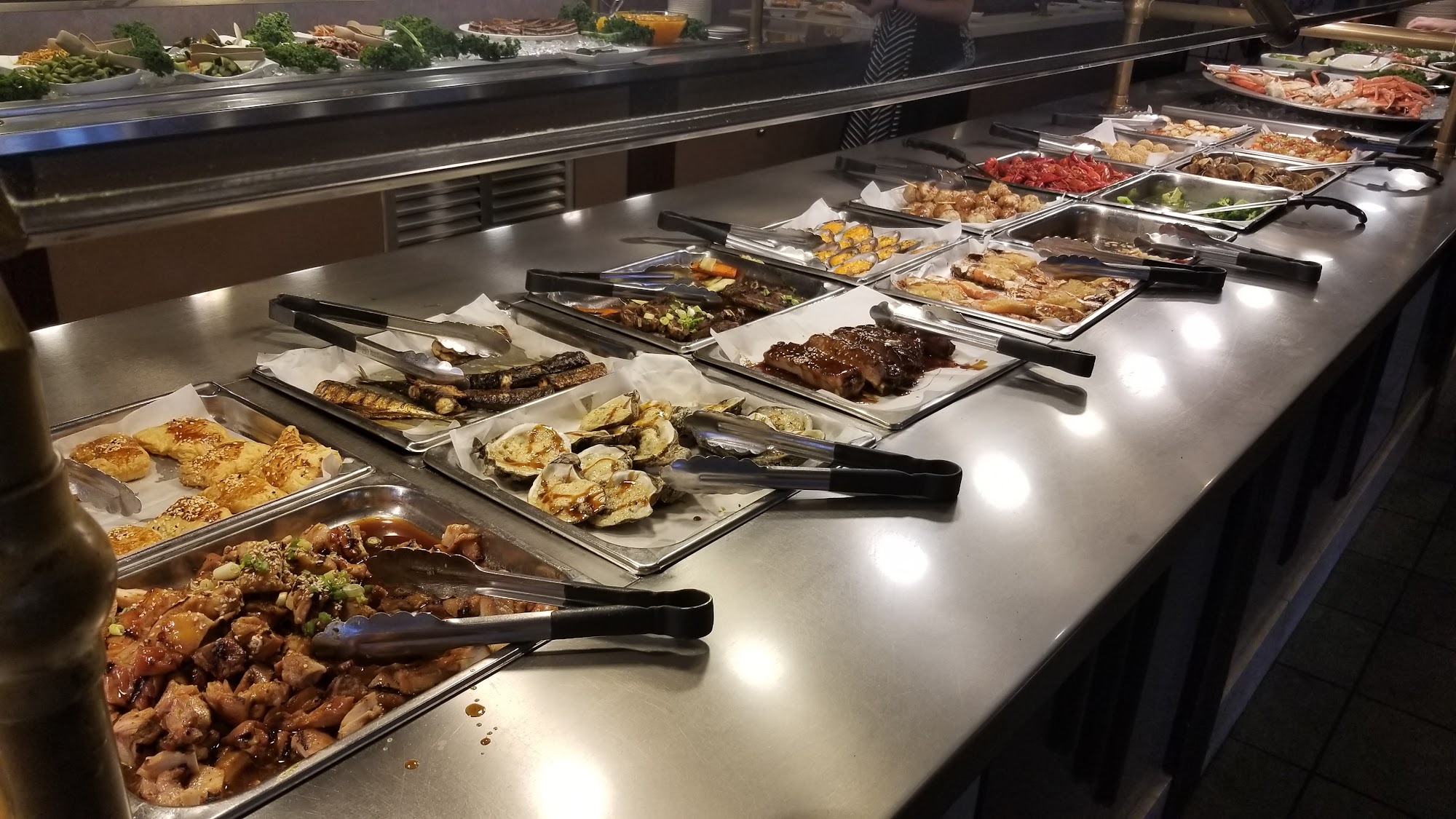
Let's be real for a second. If you live in Houston, you know the "buffet struggle." You’re usually stuck choosing between a place that’s cheap but looks like a cafeteria from a 1980s horror movie, or a high-end spot that charges $70 a head and makes you feel guilty for wanting a third plate of crab legs. Finding that middle ground is tough. That’s why Kirin Japanese Seafood & Sushi Buffet Houston TX has been such a staple in the local food scene for years. It’s one of those places people either swear by for their family reunions or argue about on Reddit late at night.
Houston is arguably the best food city in the country. Big claim? Maybe. But the competition is brutal. For a buffet to survive in the Westchase area or near Willowbrook, it has to do more than just exist. It has to evolve. Kirin has had its ups and downs, especially with the shifting landscape of post-pandemic dining, but it remains a massive player in the "all-you-can-eat" (AYCE) game.
What You Actually Get at Kirin Japanese Seafood & Sushi Buffet Houston TX
If you walk in expecting a quiet, intimate sushi bar where a chef whispers the history of the tuna to you, you’re in the wrong place. This is a high-energy, high-volume environment. The first thing that hits you isn't the smell of fish—it's the scale of the room.
The sushi station is usually the biggest draw. Honestly, most buffets fail here because the rice is too hard or the fish is sliced so thin it’s basically transparent. At Kirin, they keep a rotating crew of chefs behind the counter constantly rolling. You’ll find the standard stuff: California rolls, spicy tuna, and shrimp tempura rolls. But the real value lies in the nigiri. Getting unlimited salmon and yellowtail nigiri is a win if you know how much those cost per piece at a standalone restaurant.
But it’s not just about the cold stuff.
The hot seafood section is where people lose their minds. We’re talking about baked green mussels, salt and pepper shrimp, and occasionally the holy grail of buffet items: snow crab legs. Now, here’s a pro tip. If you’re going specifically for the crab, check the time. They don’t always have them on the lunch menu, and when they come out during dinner or weekend shifts, a crowd usually forms faster than a line for a new iPhone. It’s a bit of a frenzy.
The Hibachi Factor
A lot of people overlook the hibachi grill because they’re too busy stacking sushi like a game of Jenga. Don’t do that. The hibachi station at Kirin Japanese Seafood & Sushi Buffet Houston TX allows you to pick your own raw ingredients—thinly sliced beef, chicken, zucchini, onions, noodles—and have a chef cook it right in front of you with that signature soy-and-garlic punch. It’s the freshest way to eat there because you’re literally watching the heat kill any doubts you might have about buffet food.
Quality Control and the "Buffet Bias"
Let’s address the elephant in the room. Buffets often get a bad rap for hygiene or food being "old."
At Kirin, the turnover is usually high enough that food doesn't sit. That’s the secret to any good AYCE experience. You want to go when it’s busy. I know that sounds counterintuitive because nobody likes crowds, but a busy Kirin means the kitchen is pushing out fresh trays every ten minutes. If you go at 3:15 PM on a Tuesday when the place is empty, you’re eating the leftovers from the lunch rush. That’s just common sense.
The staff at the Houston locations (specifically the one on Westheimer) are known for being efficient, if not exactly "warm." They’re there to clear plates. They do it fast. If you leave a pile of shrimp shells on your table for more than three minutes, someone will usually swoop in and vanish them. It’s impressive.
Pricing Breakdown (Roughly)
Money matters. You’re likely looking at somewhere around $16 to $20 for lunch and $28 to $35 for dinner/weekends. Prices fluctuate based on the economy and whether or not they’ve got the premium seafood out. Compared to a "refined" Japanese restaurant where two rolls and an appetizer will run you $45 plus tip, the value proposition here is undeniable.
Why Locals Keep Coming Back
It’s the variety. Period.
You can have a plate of crawfish (when in season), a bowl of hot and sour soup, a slice of prime rib, and a dragon roll all in one sitting. It shouldn't work. It’s a culinary identity crisis on a plate. But in Houston, a city that thrives on fusion and "more is more," it makes perfect sense.
People often compare Kirin Japanese Seafood & Sushi Buffet Houston TX to places like Hibachi Grill or even the higher-end Ginza. Kirin usually sits right in that "Goldilocks" zone—better quality than the cheap stalls in the mall, but more accessible and varied than the boutique sushi spots.
The Reality of the Experience
Is it perfect? No way.
There are times when the fried rice is a little dry. Sometimes the "spicy" tuna isn't actually spicy. And yes, the parking lot at the Westheimer location can be a nightmare during the Friday night rush. If you’re looking for a peaceful, romantic date night, this probably isn't it unless your partner's love language is "unlimited gyoza."
But for a birthday party? Or a "we can't decide what to eat" family night? It's a powerhouse.
Navigating the Menu Like a Pro
- Start Cold: Hit the sushi and salad bar first. Don’t fill up on the heavy stuff early.
- The Soup Strategy: Their miso soup is actually a great palate cleanser between the fish and the fried items.
- Check the Specials: Keep an eye on the end of the buffet line. Sometimes they put out specialty items like Peking duck or stuffed clams that aren't there every day.
- Dessert is... fine: Let’s be honest, the dessert at Asian buffets is usually just a collection of small cakes and fruit. The soft-serve ice cream, however, is a classic closer.
What Most People Get Wrong About Kirin
A common misconception is that Kirin is "just another Chinese buffet." While it serves plenty of Chinese-American staples (think General Tso's), its core is Japanese-focused. The emphasis on the raw bar and the teppanyaki-style grill sets it apart. It’s trying to be a bridge between two worlds.
Another thing: people think "All You Can Eat" means "Waste All You Can." Don’t be that person. Many buffets in Houston are starting to implement "waste charges" for people who leave five pounds of uneaten sushi on their plate just because they wanted to try everything. Take what you'll eat. Go back ten times if you have to.
Final Thoughts on the Kirin Experience
The longevity of Kirin Japanese Seafood & Sushi Buffet Houston TX says a lot. In a city where restaurants close faster than you can read their Yelp reviews, Kirin has remained a constant. It’s reliable. You know what you’re getting. You’re getting a massive selection, a loud environment, and the ability to eat your weight in protein for a fixed price.
If you haven't been in a while, it's worth a revisit, especially for the weekend dinner service. Just make sure you show up hungry and maybe wear your "expanding waistline" pants.
Actionable Next Steps for Your Visit
- Timing is Everything: Aim for 11:30 AM for lunch or 5:30 PM for dinner. This ensures you get the first "fresh" wave of the shift.
- Check the Location: Verify whether you’re heading to the Westheimer or the Willowbrook area location, as their hours and certain menu "specials" can vary slightly based on management.
- Weekend Premium: Be prepared to pay more on Friday night through Sunday. This is when the "expensive" seafood like crab legs and prime rib are most likely to be available.
- Hydrate: Buffet food is notoriously high in sodium. Drink water throughout the meal so you don't feel like a raisin the next morning.
- Group Planning: If you have a group larger than six, call ahead. They can usually accommodate big parties, but you might have to wait a while if you just roll up with ten people on a Saturday night.
The Houston food scene is always changing, but the draw of a solid seafood buffet seems to be timeless. Kirin isn't trying to win a Michelin star; it’s trying to make sure you leave full. And on that front, it almost always delivers.