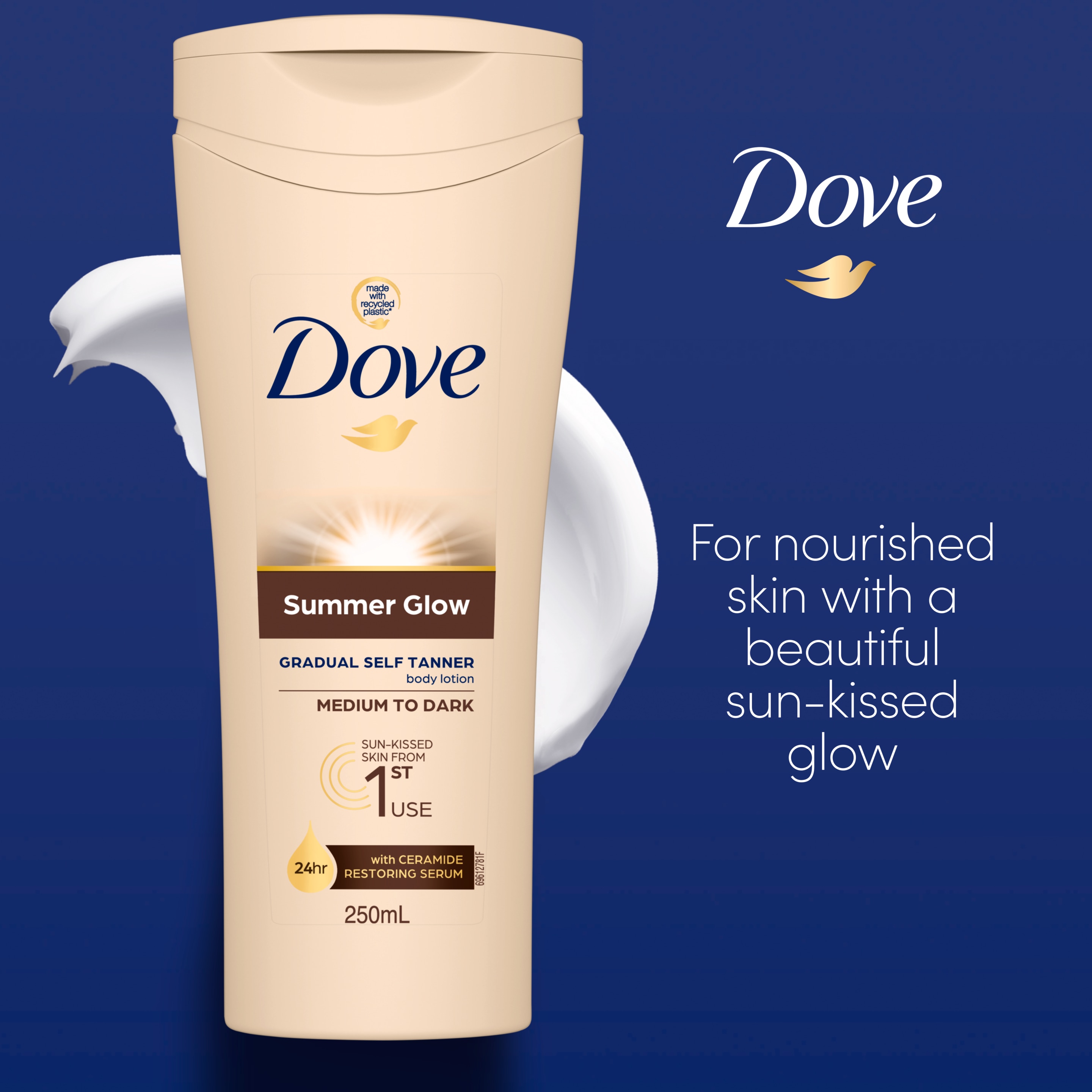
You know that feeling. You spend twenty minutes meticulously blending a bronzing mousse, hoping for a "just back from Tulum" glow, only to wake up at 3:00 AM with your shins on fire. It’s the dreaded self-tanner rash. For those of us with reactive skin, eczema, or contact dermatitis, the quest for a self tanner for sensitive skin often feels like a high-stakes gamble with our moisture barrier.
Most people think the orange tint is the biggest risk. It's not. The real villain is usually hidden in the ingredient list under names you can't pronounce.
I’ve seen people give up on glowing skin entirely because they assume their skin is just "too picky." That’s a mistake. You don’t need to be pale forever just because your skin hates synthetic fragrances or high concentrations of DHA. It's about chemistry, not luck.
Why Your Skin Actually Hates Your Bronzer
Let’s get technical for a second. Most tanners rely on Dihydroxyacetone (DHA). This is a simple sugar that reacts with the amino acids in the dead layer of your skin—the stratum corneum—to create a brown pigment called melanoidins. It’s called the Maillard reaction. It’s basically the same chemical process that browns a steak on a grill.
Sounds harmless, right?
Well, DHA can be incredibly drying. When it pulls moisture out of your skin to complete that reaction, it leaves your barrier vulnerable. If you already have a compromised barrier—hello, sensitive skin squad—that dryness triggers inflammation. Then come the red bumps.
But DHA isn't always the sole culprit.
The Fragrance Trap
Fragrance is the "X factor" in skin irritation. Manufacturers pack self-tanners with heavy perfumes to mask that "biscuits and chemicals" smell that DHA naturally emits. For someone with a fragrance allergy or sensitive skin, those aromatic compounds are like tiny grenades for your pores. Essential oils aren't a safe haven either; citrus oils or lavender can be just as irritating as synthetic musks when they sit on the skin for eight hours.
Alcohol and Preservatives
Check your labels for SD Alcohol 40 or Alcohol Denat. Companies use it so the tan dries fast. It's great for speed, but it’s a nightmare for sensitivity. It strips your natural lipids. Then there are preservatives like Methylisothiazolinone (MIT). While it keeps the bottle shelf-stable, it’s a known sensitizer that has caused a massive spike in contact dermatitis cases over the last decade.
Picking a Self Tanner for Sensitive Skin That Actually Works
You need to look for a "cleaner" profile, but don't fall for marketing buzzwords like "natural" or "organic" without checking the back of the bottle. Those terms aren't strictly regulated in the beauty world.
Instead, look for erythrulose.
Erythrulose is another tanning agent, often derived from red raspberries. It works much slower than DHA. While a pure DHA tan develops in 4-6 hours, erythrulose takes 24-48. Why does that matter? It's less stressful for your skin cells. Many high-end formulas for sensitive skin use a blend of both to give you a quick glow that doesn't feel like a chemical burn.
Brands like Vita Liberata and Coola have pioneered the use of organic DHA and moisture-locking complexes. Vita Liberata’s "Advoganic" technology, for instance, is designed to keep the tanning active from irritating the skin by surrounding it with hydrating botanicals like aloe vera and glycerin.
Then there’s the Bondi Sands Pure range. They stripped out the dyes and fragrances. It’s a game-changer. If you see a tanner that is clear—no "guide color"—that’s usually a win for sensitive types. Guide colors are often made of FD&C dyes (like Red 40 or Blue 1) which can cause "prickly heat" sensations on reactive skin.
The Strategy: Preparation is 90% of the Battle
If you have sensitive skin, you cannot "slap it on and go." You need a tactical plan.
- The 24-Hour Rule: Shave or wax at least a full day before applying your self tanner for sensitive skin. Hair removal creates micro-tears in the skin. If you put DHA directly into a micro-tear, you're inviting a rash.
- The Patch Test is Mandatory: Don't do it on your arm. Do it on your stomach or the inside of your thigh. Wait 24 hours. If it itches even a little bit, it’s a no-go.
- Physical Exfoliation Only: Chemical exfoliants like AHAs (glycolic acid) or BHAs (salicylic acid) can leave the skin too "raw" for a tanner. Use a soft washcloth or a gentle sugar scrub instead. Avoid those harsh plastic loofahs that scratch the surface.
Barrier Protection: The Secret Step
Most "pro" tips tell you to put lotion on your elbows and knees. If you’re sensitive, you need to go further. Apply a very thin layer of a fragrance-free, ceramide-rich moisturizer (think CeraVe or La Roche-Posay Toleriane) all over your body about 20 minutes before tanning.
Yes, it might make the tan slightly lighter. But it acts as a buffer. It ensures the DHA doesn't penetrate too deeply or too fast, which is usually when the irritation happens.
Real World Picks: What to Actually Buy
I’ve tried dozens. Here’s the breakdown of what actually stays calm on reactive skin.
- Tan-Luxe The Gradual: This is more of a lotion than a traditional tanner. It’s weightless. Because the DHA concentration is lower, your skin doesn't freak out. It’s a "buildable" glow, which is always safer for sensitive types.
- Isle of Paradise Self-Tanning Drops: You mix these into your own moisturizer. This is the gold standard for control. If you know your skin loves a specific hypoallergenic cream, just add two drops of this to it. You get the tan without changing your skincare routine.
- Beauty by Earth Self Tanner: It’s basically a thick, nourishing cream that happens to turn you tan. It uses shea butter and coconut oil. Warning: if you’re prone to body acne, the coconut oil might be a bit much, but for dry eczema-prone skin, it’s a literal lifesaver.
Mistakes Even Experts Make
A big one is sleeping in the tan.
Manufacturers often say "leave on for 8 hours or overnight." For sensitive skin, that’s a long time for a drying agent to sit on your pores. Try a "Rapid" formula but only leave it on for 2 hours. You’ll get a subtle glow, and you can wash off the potential irritants before they cause a flare-up.
Also, watch out for "face" vs "body" formulas. Your face has more sebaceous glands and thinner skin. Never put a cheap body tanner on your face if you’re prone to rosacea or perioral dermatitis. It’s a recipe for a breakout that will last weeks.
How to Handle a Reaction if it Happens
Sometimes, despite your best efforts, the skin rebels.
If you start feeling that "tight, itchy" sensation, get in the shower immediately. Use a gentle, non-soap cleanser. Do not scrub—scrubbing will just drive the irritant deeper and damage the skin further.
Once you're out, apply a 1% hydrocortisone cream to the itchy spots and slather the rest in a petrolatum-based ointment like Aquaphor. Skip the tan for at least two weeks. Your skin needs to undergo a full turnover cycle (usually 28 days, but faster for the top layer) before you try a different brand.
Actionable Next Steps for a Healthy Glow
If you’re ready to try again, don't just grab whatever is on sale at the drugstore.
- Check the Label: Look for "Fragrance-Free" (not just "Unscented," which can contain masking fragrances).
- Buy a Gradual Formula: Low and slow is the mantra for reactive skin.
- Hydrate from Within: It sounds cliché, but dehydrated skin reacts more violently to DHA. Drink your water the day of your application.
- Switch to Drops: If you have a "holy grail" moisturizer that never breaks you out, buy tanning drops and mix them in. It’s the safest way to introduce tanning actives to your routine.
Your skin is a living organ, not a canvas. Respect its limits, and you can still get that bronze finish without the dermatological drama. Start with a small patch on your inner ankle today and see how it feels by tomorrow. That’s the only way to be 100% sure.