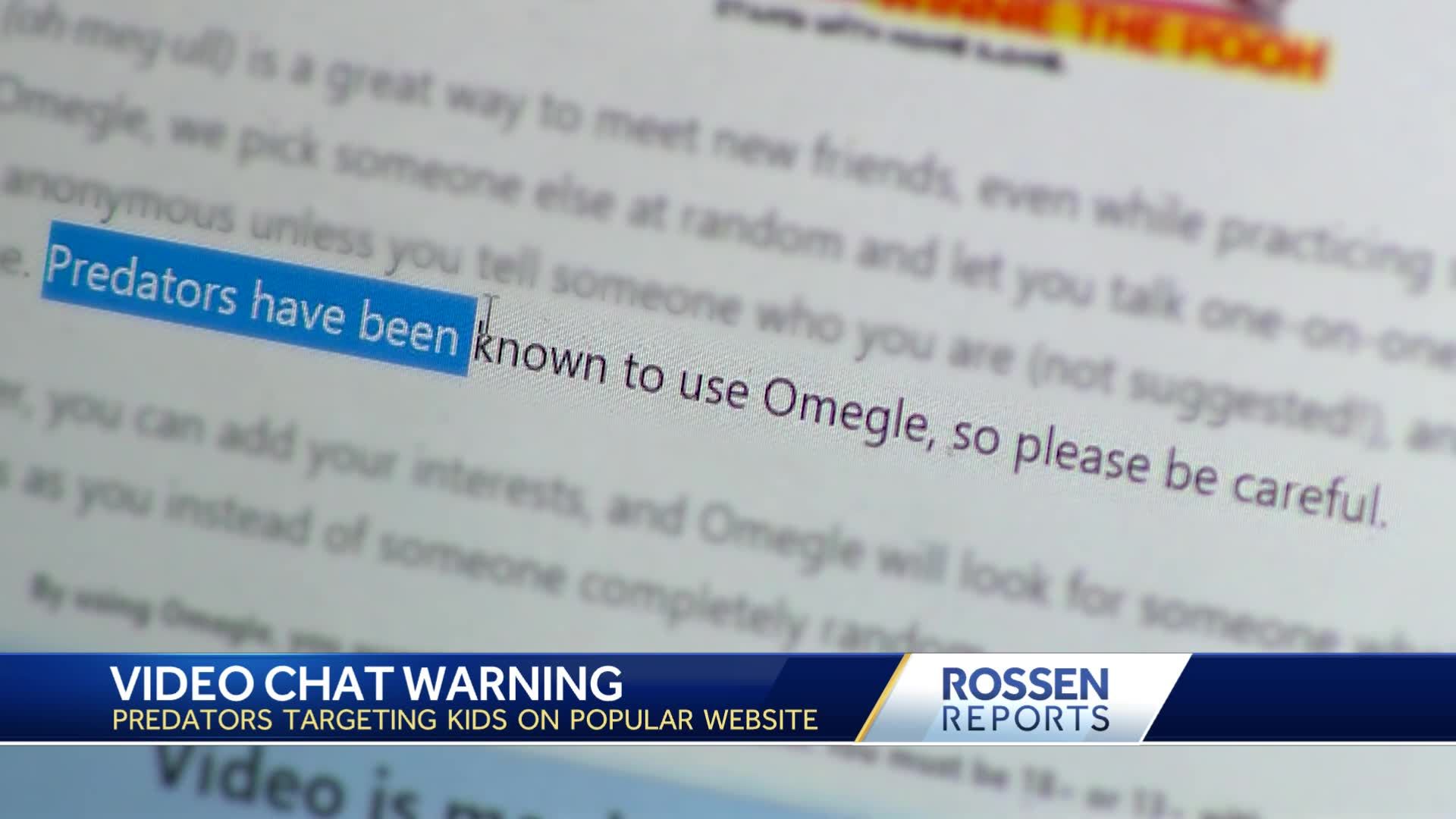
Omegle is dead.
Honestly, that’s the first thing you need to know. If you’re searching for a way to get your child onto the site, or if they’re asking for it, you’re chasing a ghost. The original platform, which basically pioneered the "talk to strangers" video chat craze, permanently pulled the plug on November 8, 2023.
It didn't just go down for maintenance. It’s gone for good.
The founder, Leif K-Brooks, basically said he couldn't take it anymore. The "unspeakably heinous crimes" happening on the platform—and the massive legal bills from fighting those issues—made the site unsustainable. But here’s the kicker: even though the official site is gone, kids are still looking for "Omegle for kids under 13."
Why? Because the idea of it is still floating around TikTok and YouTube.
What Parents Get Wrong About Omegle and Its Clones
Most parents think Omegle was just a place for awkward teens to chat. In reality, it was a lawless frontier. By the time it shut down, it was linked to over 500 criminal investigations involving child predators. There was never an official "kids version."
Never.
Any site claiming to be a safe version of Omegle today is a copycat. These "clones" are often more dangerous than the original because they have even less oversight.
The Lawsuit That Ended Everything
The final nail in the coffin was a massive lawsuit from a young woman known as "A.M." She was just 11 years old when she was matched with a predator on the site. That man blackmailed her into what was described as "digital sexual slavery." This wasn't an isolated incident.
It was the business model.
When you look for Omegle for kids under 13, you aren't finding a playground. You’re finding a back alley. Even the "moderated" section on the old site was mostly a joke. It relied on a handful of human moderators for tens of thousands of simultaneous users.
Do the math. It’s impossible to watch that many screens.
Why Kids Are Still Obsessed With Random Chat
It's the thrill. You've probably seen those viral videos of influencers "trolling" people on video chat. Kids want that experience. They want to see someone from halfway across the world or find a funny stranger.
But kids don't see the risk.
Under-13s are particularly vulnerable because they often haven't developed the "stranger danger" radar needed for the digital age. They think if they don't give out their name, they're safe.
They’re wrong.
Predators use IP addresses to find approximate locations. They record screens without the child ever knowing. By the time a kid realizes something is weird, it's already on someone’s hard drive.
What About the "Safe" Alternatives?
You’ll see names like Monkey, OmeTV, or Holla pop up. People call them the "new Omegle."
Are they safer? Not really.
Most of these apps have a 17+ or 18+ rating in the App Store, yet they are flooded with middle schoolers. They use the same "swipe to meet a stranger" mechanic. While some have AI filters to detect nudity, they can't stop a predator from talking a child into moving the conversation to Snapchat or Discord.
That’s where the real damage happens.
If your child is under 13, the COPPA (Children's Online Privacy Protection Act) laws are supposed to protect them. These laws prevent companies from collecting data on kids without parental consent. Most "random chat" sites avoid this by simply saying "18+ only" in the fine print.
They wash their hands of the responsibility.
Practical Steps for Parents in 2026
If your kid is asking for these types of apps, it's a signal. They want connection. They want to be part of the "online world."
Instead of just saying no, try these actual alternatives:
- JusTalk Kids: This is one of the few that actually builds in safety. No public profiles. Parents have to approve every single contact. It’s video chat, but with a fence around it.
- Messenger Kids: It’s a walled garden. You see everyone they talk to. Is it perfect? No, it’s still Meta. But it’s a billion times safer than a random chat site.
- Roblox/Minecraft: If they want to "talk to people," let them do it in a gaming environment where filters are much more aggressive—though you still need to keep the parental controls tight.
How to Talk to Them Without Being "Cringe"
Don't just lecture them about predators. They’ve heard it. They think it won't happen to them.
Talk about permanence.
Show them how easy it is to record a screen. Explain that anything they do on camera can be recorded, edited, and shared with their entire school. That usually scares them more than the "bogeyman" predator narrative because it affects their social standing now.
Check the browser history for "Omegle" or its common misspellings. Look for "unblocked" sites. Kids are smart; they use mirror sites to get around school or home filters.
If you find something, don't just freak out. Ask them what they were looking for. Usually, they’re just bored.
The Bottom Line
There is no Omegle for kids under 13. There never was, and there likely never will be. The technology required to keep a random video chat 100% safe for a 10-year-old is too expensive and complex for most companies to bother with.
The internet has changed since the early 2010s. It’s more connected, but it’s also more weaponized.
Keep your kids off anonymous video platforms. Stick to apps where you know exactly who is on the other end of the camera. It’s not about being overprotective; it’s about acknowledging that the "wild west" of the internet has already been lost to the outlaws.
To stay ahead of this, check your router’s "blocked sites" list. Add keywords like "ome," "chat," and "random" to the filter. It’s a simple move that stops a lot of curious clicks before they happen.