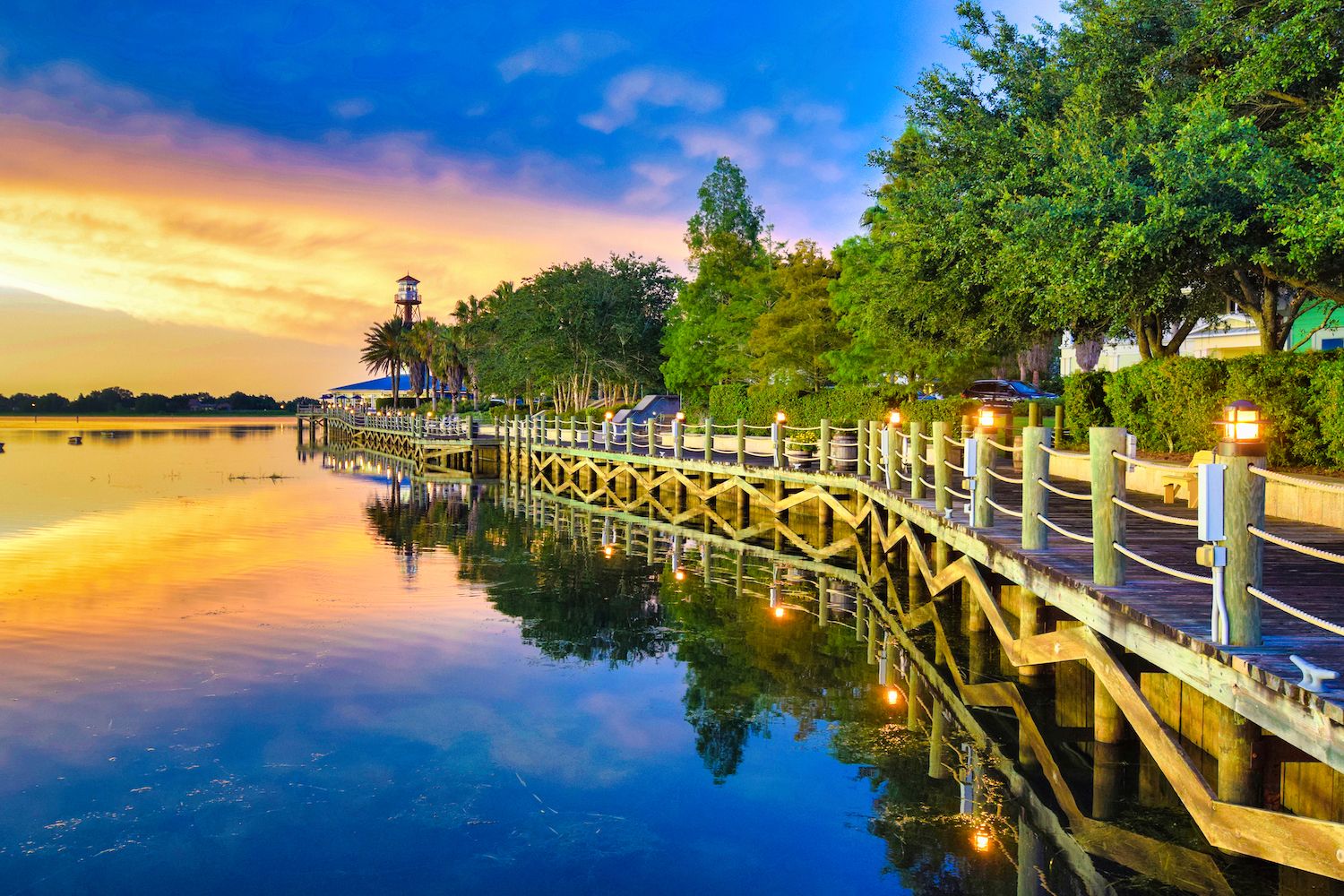
You know that feeling when you pull into a place and the air just smells... different? Not like exhaust and desperation, but like woodsmoke and damp earth. That is the village effect. Most people travel to cities because they want the noise, the neon, and the $18 cocktails, but honestly, if you aren't looking at things to do villages offer, you're missing the soul of travel. I’ve spent years wandering through places that don't even have a stoplight, and let me tell you, the pace is addictive. It’s slower. Way slower.
Villages aren't just smaller versions of cities. They are entirely different animals. While a city tells you what to do through billboards and TripAdvisor ads, a village waits for you to figure it out. You might find yourself sitting on a stone wall for an hour just watching a local farmer move sheep. Sounds boring? It’s actually kind of hypnotic.
The reality is that rural tourism is exploding. According to the United Nations World Tourism Organization (UNWTO), travelers are increasingly ditching the "bucket list" cities for "Best Tourism Villages"—places like Alquézar in Spain or Castel'Alfero in Italy. People are burnt out. They want authenticity, even if it comes with patchy Wi-Fi and a lack of Uber.
Finding the Rhythm: What "Doing Nothing" Actually Looks Like
When people ask about things to do villages usually provide, they expect a list of museums. Forget that. In a village, the "doing" is often passive. You walk. You observe. You eat things that were in the ground three hours ago.
Take the Cotswolds in England, for example. Specifically, a place like Castle Combe. You aren't there to visit a high-tech gallery. You're there to walk the footpath to the next hamlet, get your boots muddy, and then spend two hours in a pub called something like The White Hart or The King’s Arms. The activity is the atmosphere. You’ll see people leaning over stone bridges. They aren't waiting for a bus; they’re just looking at the water. It’s a lost art.
The Power of the Local Market
If you find yourself in a village on a Tuesday or a Saturday, you’ve hit the jackpot. This isn't a "farmers market" in a suburban parking lot with $12 kale. This is life. In villages across Provence, France, the market is the town's central nervous system. You’ll find lavender honey, goat cheese that smells like a damp cave (in a good way), and knives that will last three generations.
The trick is to arrive early. By 11:00 AM, the best stuff is gone, and by 1:00 PM, the vendors are having wine and closing shop. If you want to know what a village is really about, watch how the locals haggle over a head of lettuce. It’s theater.
Things to Do Villages: Beyond the Postcard Views
We need to talk about the physical stuff. If you're active, villages are your playground, but the gym is just... outside.
Hiking is the obvious one. But it’s not just "walking on a trail." In the Cinque Terre, the villages are connected by the Sentiero Azzurro (Blue Trail). You aren't just hiking; you’re commuting between centuries-old clusters of pastel houses. It’s steep. Your calves will burn. But the reward is a view of the Ligurian Sea that makes you forget you haven't checked your email in four days.
Then there’s the artisan stuff. Real crafts. Not the mass-produced magnets at the airport. I’m talking about:
- Pottery workshops in the mountains of Japan (Mashiko is a dream for this).
- Traditional weaving in the villages of the Sacred Valley in Peru.
- Cheese making in the Swiss Alps, where you can watch the milk transform in giant copper vats.
These aren't "tourist traps" if you seek out the actual workshops. It’s about skill. Watching someone work a loom or a potter's wheel with forty years of muscle memory is deeply grounding. It reminds you that humans can actually make things with their hands, which feels like a miracle in 2026.
Why You Should Visit the Cemetery
This sounds morbid. It isn't. If you want to understand the history of a village, go to the graveyard. The names on the stones often match the names on the shops in town. You’ll see how families have stayed for centuries. In Hallstatt, Austria, the cemetery is world-famous because space was so limited they had to exhume bones and paint the skulls with flower motifs. It’s beautiful, weird, and tells you more about the village's geography and culture than any brochure ever could.
The Food: Why It Tastes Better Here
Let's be real: village food ruins you for life. Once you've had bread from a communal oven in a Moroccan village or olive oil pressed at a mill in Crete, the supermarket stuff tastes like cardboard.
The secret is the supply chain. Or rather, the lack of one. In many villages, the restaurant—usually the only restaurant—is owned by a family that grows half the ingredients. This is "Farm to Table" without the marketing budget.
Try the "Plate of the Day." Don't look for a menu. Just ask what’s fresh. I once ate at a tiny place in Zagorochoria, Greece, where the owner just brought out a pie made of wild greens he had picked that morning. It cost ten Euros and was better than any Michelin-starred meal I’ve ever had.
Things to Do Villages: Navigating the Social Etiquette
Here is where people mess up. Villages are small ecosystems. If you walk in like you own the place, the locals will shut down. You’ll get the "tourist treatment"—polite but cold.
To really experience the things to do villages offer, you have to be a guest, not a consumer.
Say hello. Even if you don't speak the language, a nod and a "Good morning" go a long way.
Don't take photos of people without asking. It’s their home, not a human zoo.
Spend money locally. Don't bring a cooler full of groceries from the city. Buy your bread at the local bakery. Get your coffee at the corner bar. That five-euro purchase is how these places stay alive.
The "Hidden" Village Activity: The Festival
Every village has a patron saint, a harvest festival, or a weird historical reenactment. These are usually not advertised on major travel sites. You find out about them via a faded poster in a shop window or by asking the bartender.
If you stumble into a village during a Sagra in Italy or a Fiesta in Spain, cancel your plans. You will see grandmothers dancing, wine being poured from plastic jugs, and a sense of community that simply doesn't exist in urban centers. It’s loud, it’s messy, and it’s the most fun you’ll ever have.
Misconceptions About Village Travel
People think villages are "quiet."
They can be. But they can also be incredibly noisy. Roosters don't care about your sleep schedule. Church bells ring at 6:00 AM. In many European villages, the sound of tractors starts at dawn.
Another myth: "There's nothing to do."
There is everything to do, but you have to be the initiator. There is no concierge. You have to find the trailhead. You have to figure out the bus schedule that only runs twice a day. You have to talk to the lady at the cheese shop to find out where the secret swimming hole is. Village travel requires curiosity and a bit of "get up and go."
Is Village Travel Expensive?
Actually, it’s usually much cheaper than the city—unless you’re going to a high-end "resort village" like Gstaad or St. Moritz. In most parts of the world, your money goes twice as far in a village. The trade-off is convenience. You might have to walk a mile to find an ATM, or the only shop might close for a three-hour lunch break.
Actionable Steps for Your Village Adventure
If you're ready to ditch the city and find some things to do villages provide, here is how you actually make it happen:
1. Pick a Region, Not a Destination
Instead of searching for a specific famous village (which will be crowded), pick a region. Instead of just Oia in Santorini, look at the inland villages of Naxos. Instead of Kyoto, look at the villages in the Kiso Valley. You’ll get the same vibe for a fraction of the price and none of the crowds.
2. Rent a Car (or a Bike)
Public transport in rural areas is... let’s call it "character building." To truly explore, you need your own wheels. This allows you to stop when you see a sign for "Fresh Honey" or a trail that looks interesting.
3. Stay in the Center
Don't stay at a hotel on the outskirts. Find an Airbnb or a small guesthouse right in the heart of the village. You want to be within earshot of the church bells. You want to be the person who walks to the bakery every morning. Living there for three days is better than visiting for three hours.
4. Learn Five Basic Phrases
"Hello," "Please," "Thank you," "The bill, please," and "I'm sorry, I don't speak [language]." This opens doors. It shows respect.
5. Accept the Slowdown
The first day will be frustrating. You’ll want things to happen faster. By day three, you won't care. Embrace the fact that the shop is closed or the restaurant only has one thing on the menu. That’s the point.
Village travel isn't about ticking boxes. It’s about checking out of the madness and checking into a version of life that still feels human-scale. It’s about realizing that the best "things to do" aren't activities at all—they're just moments. Watching the sun hit a stone wall. Hearing the clink of glasses at sunset. Realizing that, for a moment, you aren't rushing anywhere. That's the real village magic.
Next Steps for the Rural Traveler:
- Search for "UNWTO Best Tourism Villages" to find a curated list of destinations that prioritize sustainability and culture.
- Download offline maps (Google Maps or Maps.me) before you go, as cell service in valleys and remote mountains is notoriously unreliable.
- Check local religious or harvest calendars for your destination to see if your trip aligns with a local festival or market day.