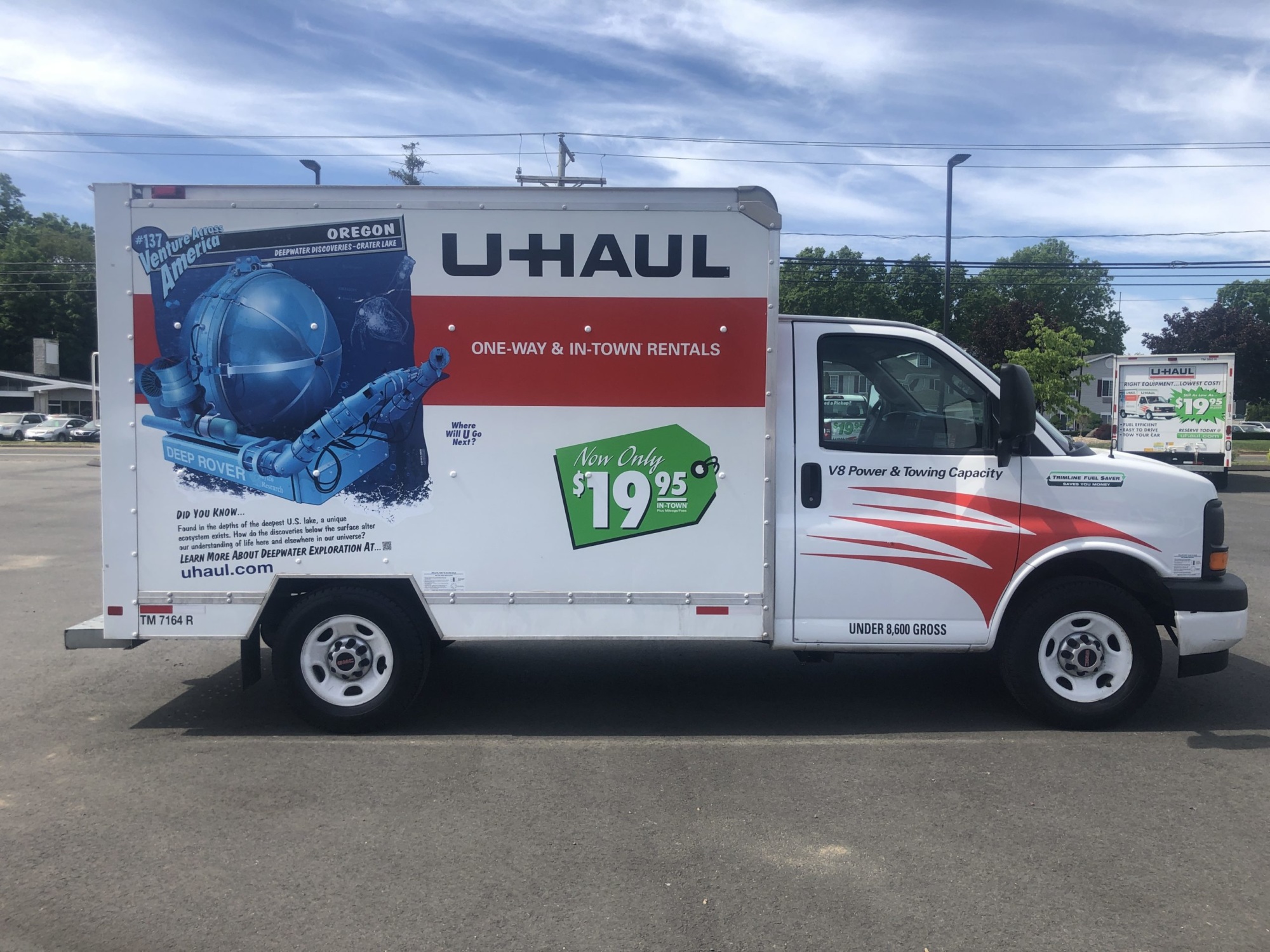
You're standing at the counter. The line behind you is long, the air in the rental office smells like industrial cleaner and diesel exhaust, and the clerk just asked the million-dollar question: "Do you want the Safemove coverage?" It’s tempting to just say no. We've all been conditioned to think these add-ons are just high-margin upsells meant to pad the company's pockets. You might even have a "premium" credit card in your wallet that promises rental car protection. But here is the cold, hard reality that catches people off guard every single moving weekend: u haul rental insurance operates in a completely different universe than your standard Hertz or Enterprise rental.
Most people assume their personal auto policy transfers over. It usually doesn't.
Standard passenger vehicle insurance policies—the kind you have for your Honda Civic or Ford F-150—almost universally exclude "commercial-sized" vehicles or trucks over a certain weight limit (typically 9,000 to 10,000 lbs GVW). A 26-foot U-Haul truck weighs significantly more than that when empty, let alone when it’s packed with every heavy book and oak dresser you own. If you hit a low-hanging bridge overhang or sideswipe a parked car in a tight alley, you might find yourself staring at a $20,000 repair bill that your insurance agent will politely decline to cover.
The Massive Gap in Credit Card Coverage
Let's talk about that "Gold" or "Platinum" card.
Credit card rental insurance is a fantastic perk for business trips or vacations. However, if you read the fine print—the actual 40-page benefits guide nobody opens—you'll find a glaring exclusion for "trucks," "cargo vans," and "moving vehicles." Most credit card companies specifically define eligible vehicles as those intended for passenger use. The moment you step into a box truck, that secondary coverage evaporates.
It’s a gap that leads to total financial exposure.
Honestly, the risk isn't just about the truck itself. It’s about what’s inside. If you’re involved in an accident or if the truck is broken into at a hotel parking lot overnight, your personal car insurance provides zero protection for your furniture, electronics, or clothes. While your homeowners or renters insurance might cover personal property off-premises, the deductible is often higher than the value of the damaged goods, and filing a claim can cause your long-term premiums to spike.
Breaking Down U-Haul's Coverage Options (Safemove vs. Safemove Plus)
U-Haul doesn't actually call it insurance; they call it "coverage" or "protection bundles." This is a legal distinction because they aren't an insurance agency, but for the consumer, the effect is the same.
Safemove
This is the baseline. It’s cheap, usually around $15 to $30 depending on the distance and location. It covers three main things:
- Medical/Life: This provides a small amount of medical coverage for the driver and passengers.
- Cargo Protection: It covers your belongings against "accidents"—this means fire, windstorm, or the truck overturning. Crucially, it does not cover theft of the items unless the entire truck is stolen, and it doesn't cover damage caused by shifting loads if you didn't tie things down properly.
- Damage Waiver: This is the big one. It releases you from financial responsibility for damage to the U-Haul truck. If you scrape the side of the box against a tree branch, you don't pay.
Safemove Plus
This is the "big brother" option. The primary difference? Supplemental Liability Insurance. Basic Safemove protects the truck and your stuff. It does not protect you if you hit someone else and they sue you for a million dollars. Safemove Plus includes $1,000,000 in supplemental liability coverage. If you are moving through a crowded city or you aren't used to driving a vehicle that's 30 feet long, this is usually the smarter play. It also covers "overhead damage." This is the most common way people wreck rental trucks—driving under a bridge or gas station canopy that is too low. Believe it or not, basic Safemove often excludes the roof of the truck.
The Exclusion Nobody Tells You About
There is a weird, specific exclusion in the contract that catches people: mechanical neglect.
If you're driving through the desert and you ignore the oil light or the temperature gauge until the engine seizes, the "insurance" won't save you. You are expected to operate the vehicle with a basic level of common sense. Similarly, if you leave the keys in the ignition and the truck gets stolen, you might be held liable for the full value of the vehicle because of "failure to secure" the equipment.
Also, forget about coverage if you're driving drunk or under the influence. That’s an immediate breach of contract, and all protections are voided instantly.
Real Costs: Is It Worth the Money?
Think about the math.
A 15-foot U-Haul truck costs about $30,000 to $40,000 new. If you total it, and your insurance denies the claim (which, again, they likely will), you are on the hook for that entire amount. U-Haul will also charge you "loss of use" fees. This means you pay the daily rental rate for every day the truck is in the shop and cannot be rented to someone else. Those fees can easily outpace the repair costs themselves.
Paying $20 for peace of mind seems like a lot when you're already stressed about deposits and packing tape. But compared to the risk of a five-figure debt? It's basically a rounding error in your moving budget.
What Happens if You Actually Have an Accident?
If you have the coverage, the process is surprisingly smooth. You call the roadside assistance number, they swap out the truck or tow it, and you fill out a report. If you don't have the coverage, U-Haul will likely charge your credit card on file for the estimated damages the moment you return the truck. You then have to fight with your personal insurance company to get reimbursed, which—as we've established—rarely works in the customer's favor.
Actionable Steps for Your Next Move
Don't wait until you're at the counter to make this decision.
- Call your insurance agent. Ask specifically: "Does my policy cover a commercial-rated moving truck over 10,000 lbs GVW?" Get the answer in writing if possible.
- Check your credit card's 'Guide to Benefits.' Look for the "Exclusions" section under Auto Rental Collision Damage Waiver. Look for the word "truck" or "cargo."
- Inspect the truck before you leave. Even if you buy the insurance, take photos of every existing scratch. It saves you the headache of the "was that there before?" conversation.
- Evaluate your route. If you’re going through a city with low bridges (looking at you, Boston and Chicago), the Safemove Plus with overhead damage protection is non-negotiable.
The bottom line is that u haul rental insurance isn't a scam. It's a bridge over a massive gap in the American insurance system. If you're driving anything bigger than a pickup truck, the odds are heavily stacked against your personal policy covering you. Save yourself the potential ruin and just pay for the coverage.