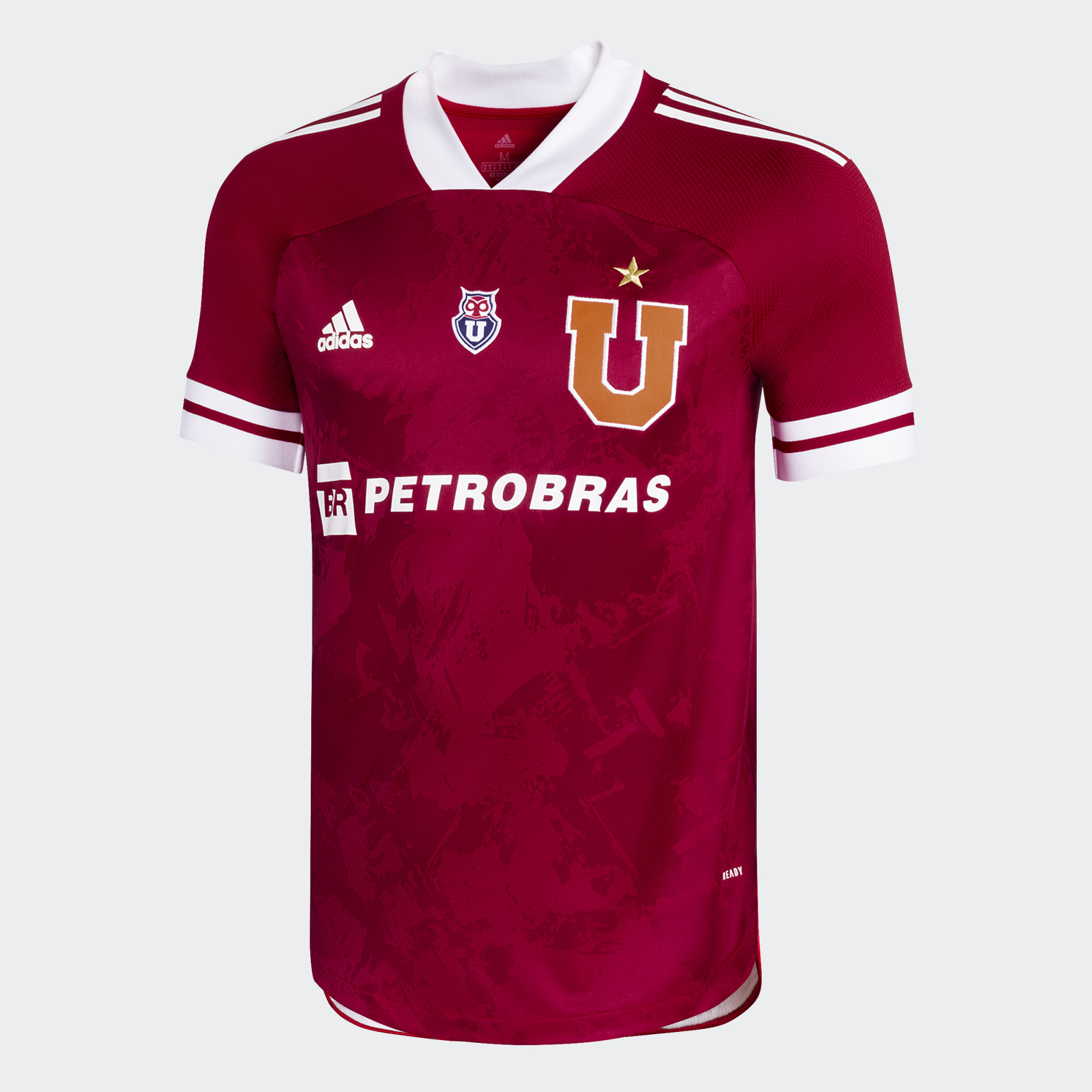
Blue. It isn't just a color in Santiago; it’s a whole mood. When you see that deep, saturated navy walking down the Alameda or packed into the stands, you know exactly what’s up. The Universidad de Chile jersey carries a weight that most club shirts just can't match. It’s got that "U" on the chest—bold, red, and encased in a white shield—that basically acts as a heartbeat for millions of fans. If you’ve ever been to a match, you’ve felt it. The atmosphere is electric, and the kit is the uniform of a movement that transcends just winning or losing on a Sunday afternoon.
Honestly, the history of this shirt is a bit of a wild ride. It’s changed a lot, yet it’s stayed exactly the same. Fans are picky. They’re obsessive. If the shade of blue is two notches too light, social media goes into a complete meltdown. People care because the jersey is a tie to the "Ballet Azul" era of the 1960s, a reminder of the 2011 Sudamericana glory, and a symbol of resilience during the years when the club almost disappeared entirely.
The Evolution of the Blue
Most people think the "U" has always been there, but the early days were different. Way back in the late 1920s, the kit was actually a bit of a mix-and-match situation. We’re talking about the Club Deportivo Universitario days. Eventually, they settled on that iconic blue that earned them the nickname Los Azules.
But check this out: the "U" isn't actually the club's official crest. That would be the Chuncho (the owl). The owl represents wisdom and knowledge, reflecting the club’s academic roots with the University of Chile. However, the stylized red "U" became the dominant feature on the jersey because it was easier to see from the stands. It’s a bit of a branding fluke that turned into one of the most recognizable logos in South American football.
In the 90s, things got weird. Adidas took over, and we started seeing some experimental designs. Remember the 1996 kit? It had these sort of ghosted patterns and a different collar style that felt very "of its time." Some fans hated it; others now pay hundreds of dollars for an original on vintage sites like Cult Kits or Classic Football Shirts. It’s funny how time turns a "fashion disaster" into a "holy grail."
Why the 2011 Sudamericana Kit is the GOAT
If you ask any Chuncho which Universidad de Chile jersey is the most important, they’ll probably point to the 2011 version. That was the year Jorge Sampaoli turned the team into a high-pressing, relentless machine. They didn't just win; they destroyed teams.
That specific jersey was clean. It was a deep, rich blue with the white Adidas stripes and a simple collar. No gimmicks. Just pure class. When Eduardo Vargas was tearing up defenses, that was the shirt he was wearing. It represents the absolute peak of the club’s international standing. Wearing that specific model today is basically a flex. It says you were there when "La U" was the best team on the continent.
The Modern Era and the "Deep Blue" Debate
Lately, the designs have been playing around with "AeroReady" tech and recycled materials, which is cool for the planet but sometimes leads to heated debates about the texture of the fabric. The 2024 and 2025 iterations have moved back toward a very traditional look.
One thing that always sparks a conversation is the sponsor placement. Fans generally hate it when a big, colorful logo ruins the vibe of the blue. When the club moved from long-term sponsors like Cristal to newer betting partners, the aesthetic shift was... controversial, to say the least. People want the shirt to look like a piece of formal wear, not a billboard.
What to look for in a real jersey
- The Embroidery: On authentic "Player Version" kits, the crest is often heat-pressed to save weight. On "Fan Versions," it’s usually embroidered. The embroidery should be tight, with no loose threads around the edges of the red "U."
- The Fabric Pattern: Modern Adidas kits have a subtle "wave" or "pique" texture. If the shirt is flat and shiny like a cheap Halloween costume, it’s probably a knockoff from a street market.
- The Internal Tags: Look for the serial numbers on the small tag inside the collar. You can actually Google these numbers; if the shirt is real, the search results should show that specific jersey, not a random Real Madrid shirt from three years ago.
Cultural Impact Beyond the Pitch
You see the Universidad de Chile jersey everywhere in Santiago. It’s in the ferias, it’s in the high-end malls, and it’s definitely in the poblaciones. It’s a class-blind garment. In Chile, football is the great equalizer. When you put on that shirt, you’re part of the Bullangueros.
There’s also a big connection to the music scene. Local rappers and rock stars often perform wearing the kit to signal their loyalty. It’s a badge of identity. It says you value passion and "garra" (grit) over everything else. The club has gone through some seriously dark times—relegation threats, financial crises—and the fans always show up in the jersey regardless. It’s easy to wear a shirt when your team is winning every week. It’s a lot harder when they’re struggling, and that’s where the U de Chile fan base really earns its reputation.
The "Away" Kit Dilemma
While the home kit is sacred, the away kit is where the designers get to go a bit crazy. Traditionally, it’s white. Sometimes it’s silver. A few years ago, they even did a bright "fluorescent" version that looked like a safety vest.
The white away jersey is actually quite popular for casual wear because it’s a bit more subtle. It usually keeps the blue and red accents, maintaining that connection to the club colors. But honestly? Nothing beats the full blue. It’s the "Romántico Viajero" spirit in physical form.
How to Get Your Hands on One (The Right Way)
If you’re looking to buy a Universidad de Chile jersey, you’ve got a few paths.
- The Official Store: "Tienda Dale Albo" might be for the rivals, but "Tienda Oficial U de Chile" is where you get the real deal. It’s the only way to ensure 100% of the profit goes back to the club.
- Retail Giants: Places like Falabella or Paris usually stock them, especially around the start of the season in February.
- The Vintage Route: This is for the collectors. If you want a 90s kit or something from the early 2000s, prepare to dig deep into your wallet. Instagram sellers in Chile are a great resource, but you have to be careful with scammers. Always ask for photos of the "wash tags."
Caring for the Kit
Don't just throw this thing in a hot wash with your jeans. The heat-pressed logos will peel off faster than a cheap sticker. Wash it inside out, cold water only, and for the love of everything holy, air dry it. Putting a football jersey in the dryer is the fastest way to turn a $90 investment into a piece of cracked plastic and pilled fabric.
Making the Choice
Choosing a jersey is personal. Some people want the latest tech and the newest sponsor. Others want the nostalgia of a retro remake.
If you're a new fan, go for the current home kit. It’s the most direct connection to the team right now. If you're a long-time follower, you’re probably already scouring eBay for a long-sleeve version from 1994. Whatever you choose, wearing the blue is about more than fashion. It’s about a feeling that’s hard to put into words but easy to recognize when you’re standing in the middle of a chanting crowd.
Actionable Next Steps for Collectors and Fans
- Verify your size: South American cuts, especially from Adidas, tend to be slightly slimmer than US or UK versions. If you’re between sizes, always size up.
- Check the season calendar: New kits usually drop in late January or early February. If you buy in December, you’re buying last year's news—which is great if you want a discount, but bad if you want the latest "drip."
- Join the community: Follow kit-specific accounts like Chilean Kit Collector on social media. They often post alerts about sales or rare vintage finds that haven't hit the mainstream market yet.
- Inspect the "Sello de Autenticidad": On the bottom hem of modern jerseys, there is a small holographic silver or gold sticker. If it doesn't shimmer when you tilt it under a light, keep your money in your pocket.