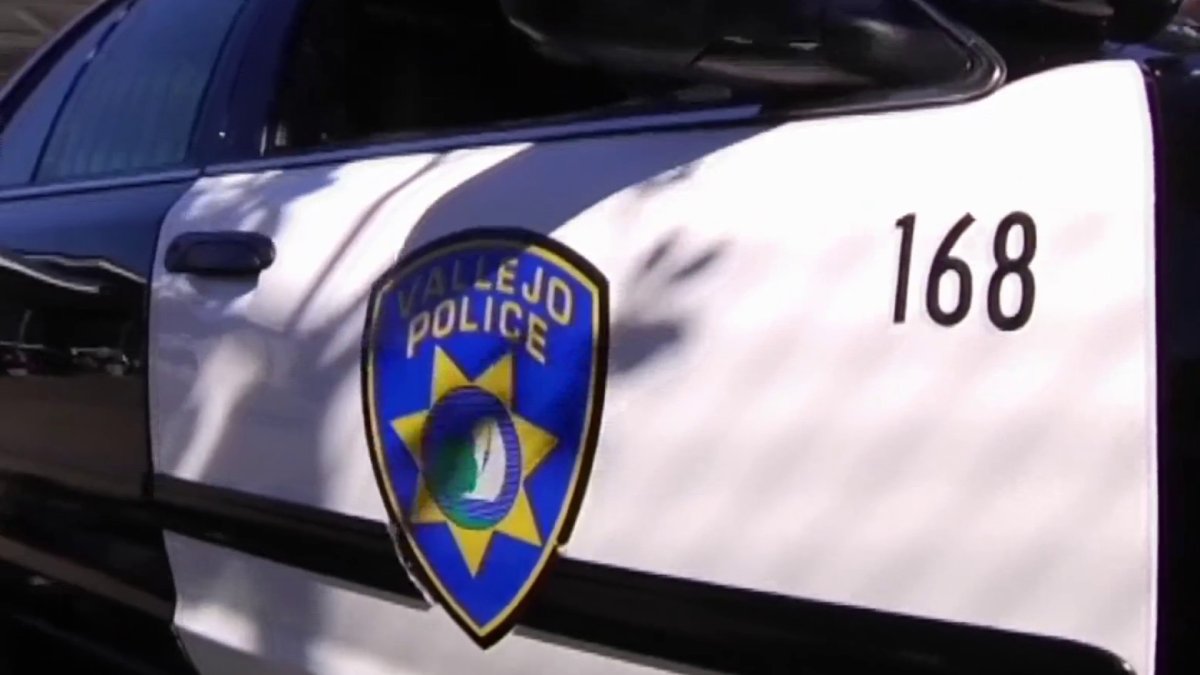
If you spend any time scrolling through Northern California crime feeds, you've probably seen the headlines about a shooting in Vallejo CA popping up with alarming frequency. It’s heavy. For a city sitting on the edge of the beautiful San Pablo Bay, Vallejo carries a reputation that often feels trapped in a cycle of headlines and police sirens. People talk about it like it’s a foregone conclusion—that this is just "how Vallejo is." But when you actually dig into the police reports from the Vallejo Police Department (VPD) and look at the neighborhood-level data, the reality is a bit more nuanced than a thirty-second news clip. It’s a city of 125,000 people trying to find its footing while dealing with a police force that has been chronically understaffed for years.
The violence isn't random. That’s the first thing you notice if you live here or study the crime maps. Most of the gunfire isn't aimed at tourists visiting the ferry terminal or people grabbing a beer on Georgia Street. It’s often targeted, localized, and tied to specific systemic issues that have plagued Solano County’s largest city since the Mare Island Naval Shipyard closed decades ago.
The Reality of Gun Violence in the 707
Last year was particularly rough. We saw a spike in homicides that put the city on edge, and the "shooting in Vallejo CA" search queries surged every time a new yellow tape went up. According to data from the VPD’s annual transparency reports, the city has struggled with a violent crime rate that consistently sits above the national average. But why?
Money. Or the lack of it.
Vallejo went bankrupt in 2008. While the city technically "recovered," the municipal bones remained brittle. When the tax base eroded, the first thing to feel the squeeze—besides the potholes—was community programming and specialized police units. You can’t talk about shootings here without talking about the fact that the police department has been operating with a fraction of the officers it’s supposed to have. In 2023 and 2024, the department faced a "staffing emergency." At one point, they had fewer than 50 officers available for patrol in a city this size. That’s wild. It means response times are slow. It means proactive policing—the kind that actually stops a shooting before it happens—is basically non-existent.
Why the Headlines Don’t Tell the Whole Story
You’ve got neighborhoods like Country Club Crest (often just called "The Crest") or the areas around Sonoma Boulevard that see a disproportionate amount of the action. If you're looking at a shooting in Vallejo CA, chances are it happened in a handful of specific blocks.
- The Staffing Crisis: When there aren't enough cops, the "bad actors" get bold. It’s simple math.
- The Mutual Aid Factor: Because VPD is so short-staffed, you’ll often see Solano County Sheriffs or California Highway Patrol (CHP) cruisers flying down Curtola Parkway.
- The Oversight Issue: We also have to acknowledge the elephant in the room: the California Department of Justice oversight. The VPD hasn't just struggled with crime; they’ve struggled with their own internal scandals, which has eroded trust with the community. When people don't trust the police, they don't call in tips. When they don't call in tips, shooters stay on the street.
Honestly, it’s a feedback loop.
The Impact of "Sideshow" Culture
If you're wondering why you hear gunfire at 2:00 AM on a Saturday, it might not even be a "shooting" in the traditional sense. Vallejo is a massive hub for "sideshows"—illegal car rallies where hundreds of people gather to watch cars spin donuts. These events frequently involve "celebratory gunfire" or skirmishes between rival groups that escalate because there’s zero law enforcement presence to break them up.
A shooting in Vallejo CA during a sideshow is a specific type of chaos. It’s hard to investigate because the crowd vanishes in seconds, and the crime scene is literally covered in tire rubber and smoke. The city has tried to install "claws" and different road features to stop this, but the shooters and the drivers just move to the next intersection. It's like whack-a-mole, but with bullets.
The Human Cost
We can talk about stats all day, but every time there’s a shooting in Vallejo CA, a family gets shattered. I think about the vigils held at places like Blue Rock Springs Park. These aren't just numbers on a spreadsheet; they’re kids who went to Vallejo High or Jesse Bethel. The community response is often one of exhaustion. People are tired of being the "problem child" of the Bay Area. There are local groups like Vallejo Together and various faith-based organizations trying to do the heavy lifting that the city government hasn't quite managed to handle.
They focus on "violence interruption." This is the idea that if you can get to a kid before he pulls a trigger—if you can mediate a beef—you save two lives: the victim and the one who would’ve gone to prison. It’s hard work. It’s underfunded. But it’s the only thing keeping the lid on in some parts of town.
Safety Tips and Navigation for Residents
Look, if you live here or you're visiting, you shouldn't live in a state of constant fear. That’s no way to exist. But you have to be smart. Most of the shootings in Vallejo CA are not random acts of stranger violence. They are interpersonal or gang-related.
If you want to stay informed, the "Vallejo Crime and Safety" Facebook groups are active, though take them with a grain of salt because they can get pretty hyperbolic. A better bet is following the official VPD press releases or using an app like Citizen, which tracks real-time 911 dispatches.
- Avoid known hotspots at night: Areas like the 1000 block of Sonoma Blvd or certain sections of the West Side have higher incident rates after dark.
- Report what you see (anonymously): Solano Crime Stoppers allows you to leave tips without your name being attached. This is huge for getting illegal guns off the street.
- Invest in home security: Ring cameras and Nest cams haven't stopped the shootings, but they have been instrumental in providing the VPD with evidence to actually make arrests.
Moving Forward: Is Change Actually Happening?
Is Vallejo getting safer? Kinda. Maybe. It depends on the week.
The city recently appointed a new Police Chief, and there’s a massive push to hire more officers with signing bonuses that are frankly eye-watering. They’re trying to rebuild the department from the ground up. There’s also more state-level intervention. Governor Gavin Newsom has sent CHP units into Vallejo periodically to help with traffic enforcement and to provide a visible deterrent to the types of crimes that lead to shootings.
The "shooting in Vallejo CA" narrative won't change overnight. It’s baked into the city’s current economic reality. But there is a resilience here. You see it in the artists downtown, the people renovating the old Victorians on Capitol Street, and the parents who show up to every city council meeting demanding better.
Actionable Steps for a Safer Community
- Engage with the OAB: The Office of Assigned Counsel and various oversight boards need community input to ensure the police are doing their jobs right.
- Support Youth Programs: Organizations like the Greater Vallejo Recreation District (GVRD) need more participation. Keeping parks active and lit is a proven way to reduce local crime.
- Stay Informed via Data: Don't just rely on Nextdoor rumors. Check the VPD Open Data Portal to see where incidents are actually happening.
The goal isn't just to stop the next shooting in Vallejo CA—it’s to fix the reasons why the shooting happened in the first place. This means addressing the 25% poverty rate and the lack of jobs for young people. Until the "opportunity gap" closes, the "safety gap" probably won't either. Stay vigilant, stay involved, and keep your eyes open.