If you were a kid in 1981, Van Halen was the ultimate "party" band. They were the soundtrack to sun-soaked California beaches, backyard keggers, and the kind of reckless joy that only David Lee Roth’s high-kick acrobatics could provide. Then came Fair Warning. It was like the sun went behind a cloud and didn't come back out for 31 minutes.
Honestly, the van halen fair warning full album experience is a bit of a shock if you’re coming straight from the "Dance the Night Away" era. It’s gritty. It’s angry. It sounds like a night on the seedy side of town where the neon lights are flickering and someone is definitely getting a black eye in an alleyway.
The Tension That Built a Classic
You can hear the frustration in the tracks. It’s no secret that Eddie Van Halen was butting heads with producer Ted Templeman during these sessions. Eddie wanted to experiment. He wanted to layer his guitars and get away from the "live in the room" sound that Templeman preferred.
While Templeman wanted another radio hit, Eddie was sneaking into Sunset Sound in the middle of the night to record overdubs alone. He was frustrated. He was also reportedly drinking heavily and feeling the weight of the band's fame. That friction? That’s what makes the van halen fair warning full album so special. It’s the sound of a genius pushing back against the machine.
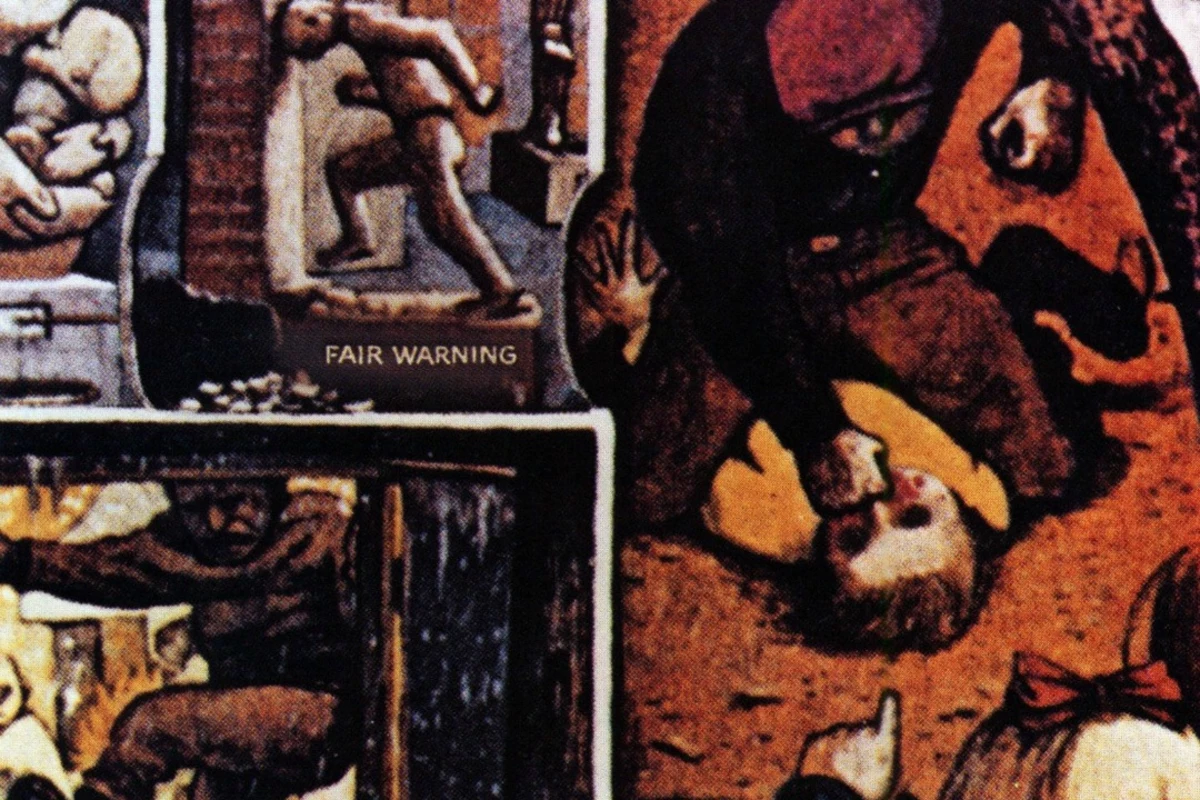
Even the cover art screams "this isn't a party." Alex Van Halen found a painting by Canadian artist William Kurelek called The Maze. It depicts scenes of torture and mental anguish from the artist's own youth. The band cropped it down to show a man banging his head against a brick wall and another being beaten. It was a massive departure from the bright, pop-art style of their previous records.
Breaking Down the Tracklist
The album kicks off with "Mean Street," and that intro is still one of the most technical things Eddie ever put to tape.
- Mean Street: That percussive "slap" tapping intro? It’s basically Eddie playing the guitar like a drum kit.
- Dirty Movies: A cynical look at a high school prom queen who ends up in the adult film industry. It’s classic Roth storytelling, but with a much sharper edge.
- Sinner’s Swing!: This is pure punk-speed hard rock. It’s frantic and barely stays on the rails.
- Hear About It Later: My personal favorite. The clean, flanged intro is beautiful, but the chorus hits like a freight train.
The second side doesn't let up. "Unchained" is probably the most famous track here, featuring that iconic MXR M117 Flanger riff. It’s the one song that actually feels like a "hit," even though the lyrics are still pretty tough. Then you have "Push Comes to Shove," which is Eddie’s attempt at a funky, almost reggae-influenced bass-driven track. It sounds like nothing else in the Van Halen catalog.
Why It Failed (And Why Fans Love It Now)
Commercially, this was a "flop" by Van Halen standards. It only sold about two million copies initially—slow compared to the debut or the massive success of 1984. It didn't have a Top 40 single. Radio programmers didn't know what to do with "So This Is Love?" or "Sunday Afternoon in the Park."
But if you talk to any die-hard VH fan or guitar player today, they’ll tell you this is the best album.
Why? Because it’s honest. It isn't trying to sell you a lifestyle. It’s just four guys—Eddie, Alex, Michael Anthony, and Dave—at their absolute technical peak, playing music that felt real to them at the time. Michael Anthony’s bass is actually audible here (thanks to the recent MoFi remasters, we can finally hear how much he contributed).
The Gear Behind the Sound
For the nerds out there, the tone on this record is legendary. Eddie was using his "brown sound" setup, but it was leaner and meaner.
- The Guitar: Much of the album was recorded using his "Shark" guitar (an Ibanez Destroyer he famously sawed a chunk out of) and his various Frankenstrats.
- The Effects: You hear the MXR Flanger and the Phase 90 all over "Unchained" and "Hear About It Later."
- The Synth: "Sunday Afternoon in the Park" was the first real hint of the synthesizer obsession that would eventually lead to "Jump." It’s an eerie, dark instrumental that leads right into the final, frantic blast of "One Foot Out the Door."
The Legacy of Fair Warning
Is it "dark"? Yeah, compared to Van Halen II, it’s basically a goth record. But it’s also the most musically sophisticated thing they did with Roth. It’s short—only about 31 minutes long—which means there is zero filler. Every second counts.
If you haven't listened to the van halen fair warning full album in one sitting lately, go do it. Don't just cherry-pick "Unchained." Put on some good headphones and start with the "Mean Street" intro. You’ll hear a band that was falling apart at the seams but somehow managed to channel that anger into the best hard rock album of the 1980s.
Your Next Steps
To truly appreciate the depth of this record, I recommend a few specific things:
- Listen to the 2015 Remaster or the MoFi Edition: The original CDs were notoriously thin. The newer remasters bring out Michael Anthony’s bass and the "thump" of Alex’s drums.
- Watch Live Clips from 1981: The "Oakland '81" footage (often found on YouTube) shows the band playing these songs live. The energy is terrifyingly high.
- Read "Van Halen Rising": While it focuses on the early days, Greg Renoff’s book gives great context on the band's internal dynamics that led to this specific era.
Stop looking for the party and start looking for the truth in the music. Fair Warning is as real as it gets.