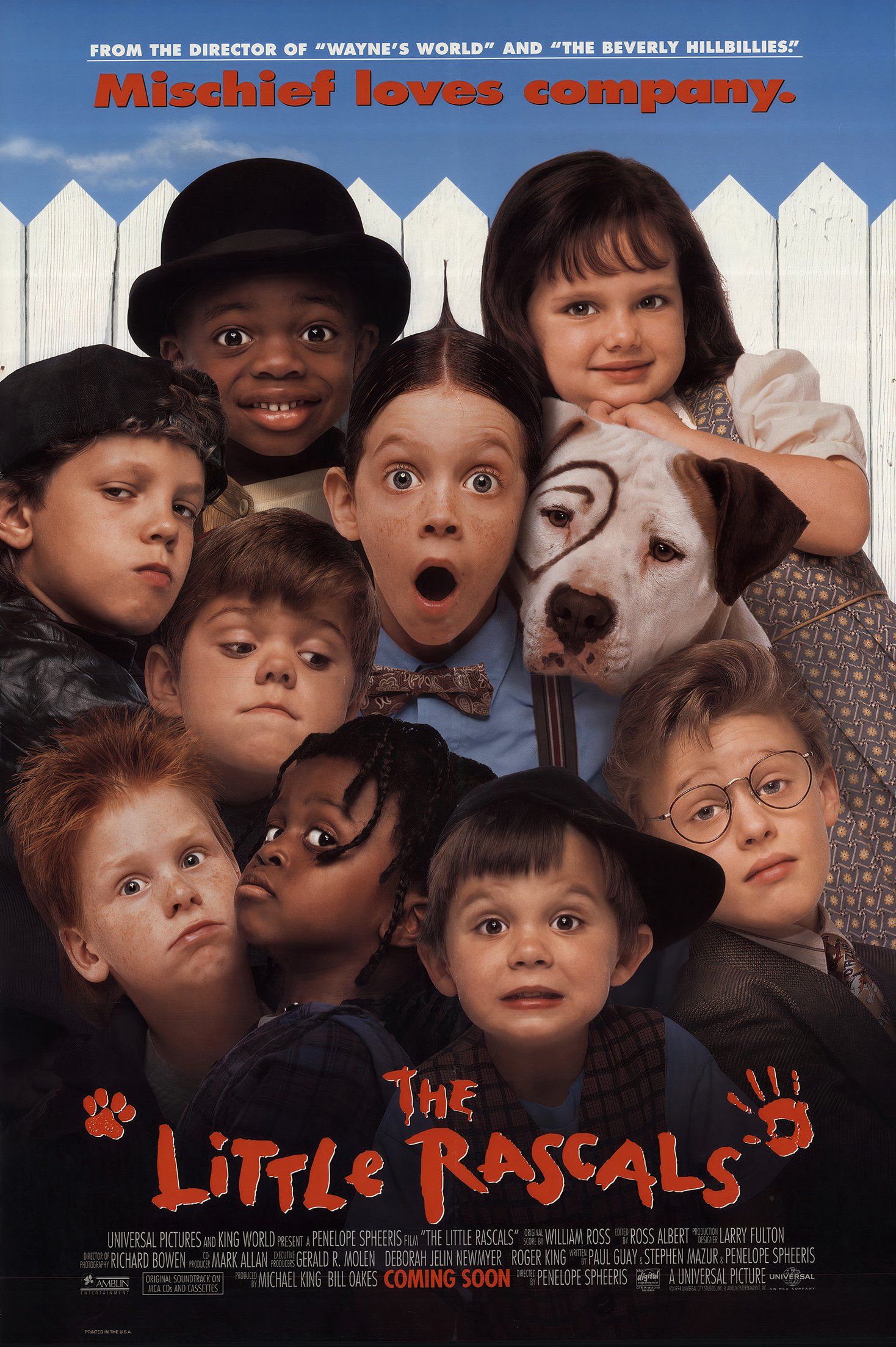
If you grew up in the nineties, you probably wore out a VHS copy of The Little Rascals. It’s a classic. Between Alfalfa’s gravity-defying hair and the He-Man Woman Haters Club, the movie is a fever dream of childhood nostalgia. But there’s one specific moment toward the end that feels way more surreal now than it did back in 1994.
I’m talking about Waldo's dad.
Most of us were too busy rooting against Waldo Aloysius Johnston III—the slick, wealthy antagonist with the perfect vest and the even more perfect boat—to care about his father. Waldo was the kid we all loved to hate because he had everything, including a Doberman named Fifi and a literal personal swimming pool in his car. But when his father finally appears on screen during the big race, the face looking back at the camera belongs to none other than Donald Trump.
The Cameo That Aged Like Fine Wine (Or Vinegar)
Wait, what? Yeah. Long before the reality TV stardom of The Apprentice or the presidency, Trump was the go-to Hollywood shortcut for "obnoxiously wealthy guy."
He plays Waldo Johnston II, the oil tycoon father of the movie's primary villain. It’s a blink-and-you’ll-miss-it moment, but it’s packed with the kind of irony you can only appreciate thirty years later. In the scene, he’s talking on a giant, brick-sized 90s cellphone while sitting in the bleachers during the soapbox derby.
Waldo, played by Blake McIver Ewing, leans over and tells his dad that they’re going to win.
The response? "Waldo, you're the best son money can buy."
It’s a bizarrely meta line. It perfectly encapsulates the character of Waldo—a kid who isn't necessarily talented, just incredibly well-funded. Seeing the former president deliver that line with a smirk is one of those "Wait, did I actually see that?" moments that makes rewatching old family movies so entertaining.
Why Did Waldo's Dad Even Matter?
In the context of the story, Waldo's dad represents everything the Rascals aren't. Spanky, Alfalfa, and the rest of the gang are "scrappy." They build their race car, The Blur, out of junk, hope, and probably some old gum.
Waldo’s car, on the other hand, is a high-tech masterpiece.
His father is the source of that unfair advantage. By casting a real-life billionaire, the director, Penelope Spheeris, was leaning into a very specific 1990s trope. At the time, Trump was the ultimate symbol of Manhattan excess. Putting him in a kids' movie about a group of ragtag outcasts was a clever, if slightly on-the-nose, way to signal that Waldo wasn't just a bully—he was a privileged bully.
Honestly, it’s kind of funny how many people forget this cameo exists. We remember the Olsen twins as the preppy girls at the party. We remember Whoopi Goldberg as Buckwheat’s mom and Reba McEntire as the race car driver A.J. Ferguson. But Waldo's dad usually slips under the radar until someone points it out during a trivia night.
The Legacy of Waldo Aloysius Johnston III
To understand why the father was so important, you have to look at the son. Waldo wasn't just a rival; he was a threat to the very fabric of the He-Man Woman Haters Club. He had the charm, the money, and he was actively "mac-ing" on Darla.
- The Look: Perfectly coiffed hair and expensive sweaters.
- The Gear: A motorized boat and a custom soapbox racer.
- The Ego: Fueled entirely by his father's bank account.
The dynamic between Waldo and his dad reflects a classic "poor vs. rich" cinematic theme. While the Rascals have community and friendship, Waldo just has... stuff. His dad’s single line in the film confirms that their relationship is basically transactional.
A Quick Reality Check on the Cast
If you're wondering what happened to the actors, it’s a mixed bag.
Blake McIver Ewing, who played Waldo, actually became a very successful voice actor and singer. You might recognize his voice as Eugene from Hey Arnold!. He’s spoken in interviews about the filming process, noting that the cameo with Trump was brief and professional.
Interestingly, Trump has famously claimed in later years that he doesn't even remember being in the movie. Given his laundry list of 90s cameos—Home Alone 2, Zoolander, The Fresh Prince of Bel-Air—it’s not entirely shocking that a two-second bit in a kids' flick slipped his mind.
What This Says About 90s Pop Culture
Rewatching The Little Rascals today is like opening a time capsule.
The film was a reboot of the original Our Gang shorts from the 1920s and 30s. In those original shorts, Waldo was still the rich kid rival (played famously by Darwood Kaye), but the 1994 version turned the "rich kid" dial up to eleven.
By including a real-world mogul as Waldo's dad, the filmmakers bridged the gap between the innocent slapstick of the past and the celebrity-obsessed culture of the 90s. It was a wink to the parents in the audience.
The Best Son Money Can Buy: Final Thoughts
There’s a certain charm to how unapologetically "90s" this whole thing is. The movie doesn't try to be deep. It just wants to show kids being kids, even if one of those kids has a billionaire father.
If you find yourself watching the race scene again, keep your eyes on the stands. Look for the man with the overcoat and the brick phone. It’s a weird little piece of film history that reminds us how much the world has changed since 1994, yet how some things—like the trope of the spoiled rich kid and his distant, wealthy father—never really go out of style.
Next Steps for You:
Next time you're having a movie night, put on The Little Rascals and wait for the derby scene. It’s a great "did you know" fact to drop on friends who haven't seen the movie in years. If you're interested in more 90s trivia, you should look up the other cameos in the film, like Mel Brooks as the bank teller or Daryl Hannah as Miss Crabtree. It’s a star-studded cast that most people completely overlook.