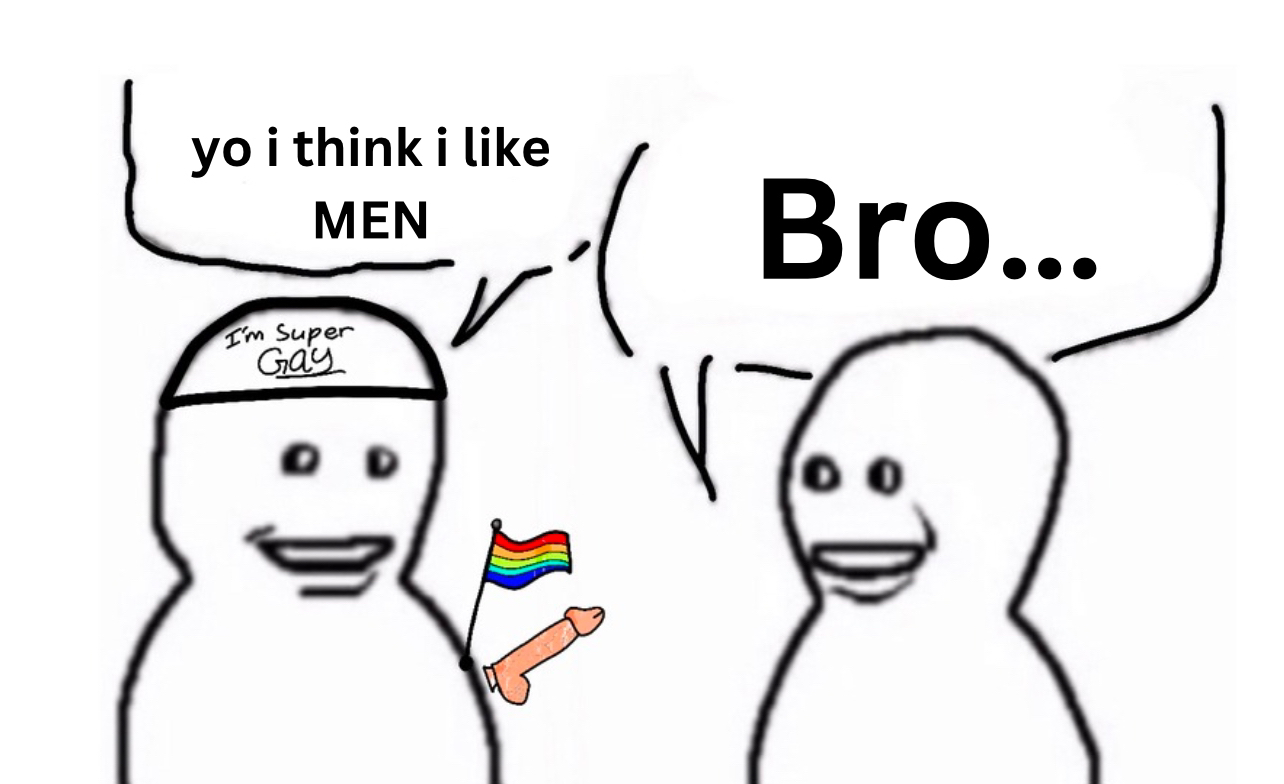
You've heard it at the gym. You've seen it in the comments section of a gaming stream. Maybe you’ve even used it to greet your literal sibling or a guy you met thirty seconds ago at a concert. But when people ask what does bro stand for, they’re usually looking for one of two things: a technical acronym or the cultural evolution of a word that has somehow become the universal glue of modern conversation.
Let’s be real. It’s mostly just short for "brother."
But it's not that simple anymore. Language is weird. Words mutate. What started as a familial designation in Middle English has transformed into a global identity, a subculture, and—depending on who you ask—a bit of a punchline.
The Acronym Myth vs. Reality
If you’re scouring the internet looking for a secret meaning, you might stumble upon some "backronyms." These are phrases people made up after the word became popular to give it extra flavor. Some folks in business circles joke that it stands for "Business Relationship Officer." In certain niche internet subcultures, you might see "Being Really Observant" or "Brotherhood Respect Order."
None of those are why the word exists.
Technically, if we’re talking about the "BRO" you might see in a medical report or a government document, it could refer to a "Boiler Room Operator" or even the "Board of Registration of Optometrists." But let’s be honest: that’s not why you’re here. You’re here because a guy in a backward hat just called you "bro" and you’re wondering how we got here.
The linguistic root is purely "brother." It’s a shortening that follows the same pattern as "sis" for sister. Simple. Effective. Universal.
From Family Tree to Frat House
The journey of the word is actually kind of fascinating. In the early 20th century, "bro" was mostly a literal term. African American Vernacular English (AAVE) played a massive role in shifting "brother" and "bro" into a term of solidarity. It wasn’t just about blood; it was about shared experience and community.
Then came the 1970s and 80s.
The term started leaking into mainstream pop culture. Surfers in Southern California began using it. Skaters picked it up. By the time the 90s rolled around, it had been adopted by fraternity culture. This is where the "Bro" we love to poke fun at was born. We’re talking about the cargo shorts, the light beer, and the high-fives.
Social scientists like CJ Pascoe have actually studied this kind of language. It’s about "homosociality"—a way for men to express affection and bond without breaking the rigid social rules of traditional masculinity. By calling someone "bro," you’re signaling that they are part of your tribe. It’s a verbal handshake.
Why Everyone Uses It Now (Even If They Hate It)
Is it a gendered term? Sorta. Is it inclusive? Increasingly, yes.
You’ll hear women calling each other "bro" constantly now. It has transcended its masculine origins to become a generic intensifier. Think about how people say, "Bro, what are you doing?" when someone makes a mistake. In that context, "bro" isn't addressing a person; it's addressing the universe.
It’s a linguistic placeholder.
The "Bro" Subcultures
- The Tech Bro: Usually found in San Francisco or Austin, talking about LLMs, venture capital, and why they’ve replaced all their meals with Soylent.
- The Gym Bro: Focused on macros, "gains," and asking if you’re almost done with the squat rack.
- The Crypto Bro: Someone who likely lost a lot of money on a jpeg of a monkey in 2022 but still insists we’re "early."
- The Irony Bro: People who use the word sarcastically so much that it accidentally became a permanent part of their vocabulary.
Honestly, the word has become a bit of a Swiss Army knife. It can be a term of endearment, a warning, a question, or a full stop.
The Semantic Saturation of Bro
Have you ever said a word so many times it loses all meaning? That’s "semantic satiation." But "bro" has done the opposite. It has gained more meaning the more we use it.
In 2026, the digital landscape has flattened slang. A meme starts on a niche forum and within forty-eight hours, your grandma is using the terminology in a WhatsApp group. "Bro" survived this process because it’s low-effort. It’s one syllable. It’s easy to say even if you’re out of breath or half-asleep.
Researchers in linguistics often point out that "bro" acts as a "discourse marker." It doesn't contribute to the literal meaning of a sentence, but it tells the listener how to feel about what’s being said. Compare these two:
- "That’s expensive."
- "Bro, that’s expensive."
The second one carries a weight of disbelief. It invites the listener to share in the shock. That’s the power of the word. It creates an instant, albeit brief, emotional bridge between two people.
When "Bro" Goes Wrong
There is a downside. The "Bro" archetype—specifically the "Bro Culture" often discussed in corporate environments—has a negative reputation. In the business world, "bro culture" refers to a workplace that is exclusionary, hyper-competitive, and often toxic to women and marginalized groups.
Companies like Activision Blizzard and Uber have faced massive reckoning over this exact issue. In these contexts, "bro" doesn't stand for brotherhood; it stands for a "boys' club" mentality that protects its own at the expense of others. It’s a reminder that language carries baggage. The same word that feels warm in a coffee shop can feel cold and dismissive in a boardroom.
What Does Bro Stand For in the Future?
Predicting where slang goes is a fool’s errand, but "bro" seems uniquely bulletproof. It has survived the transition from the physical world to the digital world without losing its punch.
Whether it's being used by a "Bruh" meme or a "Brother" TikTok creator, the core remains. It's about connection. It's about saying, "I see you, and we’re on the same level."
If you want to use the term effectively, context is your best friend. Read the room. In a casual setting, it’s a great way to soften a conversation. In a formal one, maybe stick to "sir," "ma'am," or, you know, their actual name.
Actionable Steps for Navigating "Bro" Culture:
Analyze the context. If you’re in a professional setting and everyone is "bro-ing" each other, take a second to see if that culture is inclusive or if it’s creating a "boys' club" vibe that shuts others out.
Use it as a bridge, not a barrier. Slang is best when it brings people together. If you notice someone feels left out of the "bro" shorthand, drop the slang and use more inclusive language to bring them into the fold.
Understand the irony. A lot of Gen Z and Gen Alpha use "bro" with heavy layers of irony. If someone says "Bro is really doing [X]," they are often talking about you in the third person while you're standing right there. It’s a stylistic choice, not a mistake.
Check your backronyms. Next time someone tells you "Bro" stands for "Brotherhood Respect Order," you can politely let them know it’s just a four-letter word that’s been around since the 1600s, getting a little shorter and a lot weirder every century.
Ultimately, "bro" stands for whatever you need it to stand for in the moment. It’s a linguistic chameleon. Just don't overthink it—that’s definitely not the "bro" way to do things.