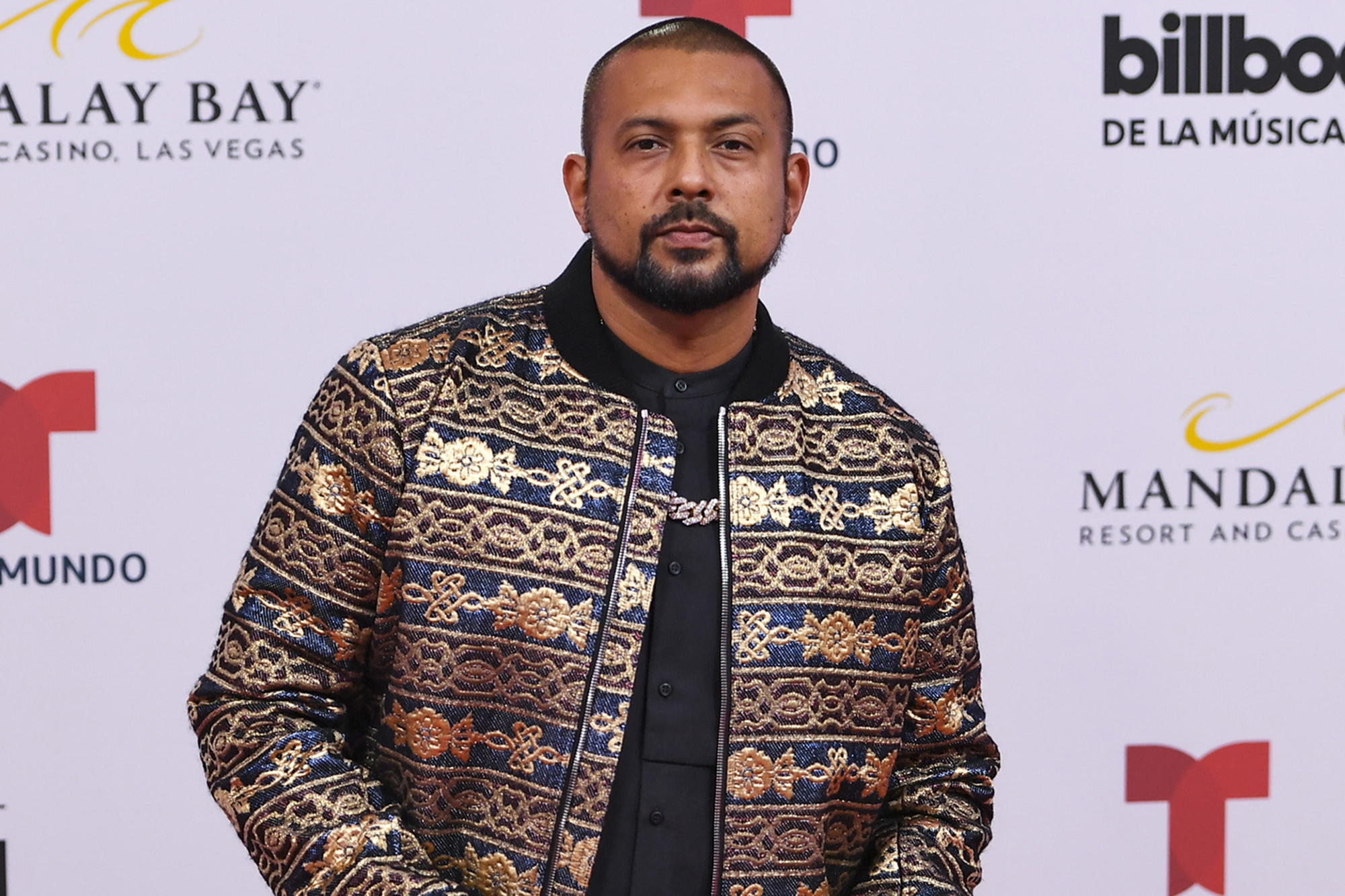
You’ve heard the voice a thousand times. Whether it’s the high-octane energy of "Temperature" or that iconic "Dutty Yeah" ad-lib, Sean Paul is the face—and sound—of global dancehall. But for years, fans have been scratching their heads. Is he Indian? Latino? Mixed?
If you look at the YouTube comments on any of his music videos from the early 2000s, there is a literal war of theories. Some swear he’s from Trinidad because of his look. Others assume he’s part South Asian because he looks like the legendary cricketer Shivnarine Chanderpaul (fun fact: that’s actually where his "Chanderpaul" nickname comes from).
Honestly, the truth is way more interesting than any of those guesses.
The Multi-Ethnic Roots of Sean Paul Ryan Francis Henriques
To understand what race Sean Paul is, you have to look at his full name: Sean Paul Ryan Francis Henriques. That last name, Henriques, is a massive clue. It’s Portuguese.
Sean Paul is a "brown-skin" Jamaican in the truest sense of the island's motto: "Out of Many, One People." He isn't just one thing. He is a mix of four distinct heritages. Basically, his family tree is a map of global migration.
- Portuguese & Jewish: His paternal grandfather was of Portuguese-Jewish descent. This family has deep roots in Jamaica, dating back to the 17th century when Sephardic Jews fled the Inquisition in Europe.
- African: His paternal grandmother was Afro-Caribbean. This is where he gets his Black Jamaican heritage, which is the heartbeat of the dancehall culture he represents.
- Chinese: On his mother’s side, he has Chinese-Jamaican ancestry. His maternal grandmother was Chinese.
- English: His mother, Frances, also has English roots.
So, when people ask about his race, the most accurate answer is multi-ethnic. He is a blend of African, European (specifically Portuguese and English), and Chinese ancestry.
Why People Get It Wrong
Most of the confusion stems from the fact that we try to fit everyone into neat little boxes. In the United States, we often see race as Black, White, or Asian. But in Jamaica, identity is more of a spectrum.
Sean Paul grew up in a middle-class area of St. Andrew, Jamaica. His mother was a well-known painter, and his father was a champion water polo player. Growing up, he was actually known as the "Copper Soldier Chinee Boy" by some of his neighbors because of his unique complexion and features.
The "Indian" rumor is the most persistent one. It probably doesn't help that he looks like he could be from the Caribbean Indian diaspora, which is huge in places like Trinidad and Guyana. But Sean Paul himself has clarified in interviews that while he’s played into the "Chanderpaul" name as a joke, his actual Asian heritage is Chinese, not Indian.
The "Uptown" vs. "Downtown" Dynamic
There is also a cultural layer to his race and identity. Dancehall is historically a "downtown" music—it’s the voice of the Black working class in Jamaica’s ghettos. Sean Paul, however, is an "uptown" kid.
He went to elite schools like Wolmer’s Boys’ School and played for the Jamaican national water polo team. His grandfather and father were both legendary swimmers. Because of his lighter skin and his privileged background, he initially faced skepticism in the dancehall world. Some critics felt he didn't have the "street cred" to lead the genre.
But he won them over. How? By staying authentic to the sound while bringing a global, polished appeal that turned dancehall into a mainstream monster.
Is Sean Paul Latino?
Nope. This is another big one. Because of his Portuguese surname and his massive popularity in the Reggaeton scene—think of his collaborations with artists like Enrique Iglesias or Daddy Yankee—people often assume he’s Latino.
While Portugal is on the Iberian Peninsula next to Spain, being Portuguese-Jamaican doesn't make you Latino in the cultural sense (which usually refers to Latin American origins). He doesn't speak Spanish as a first language; he speaks English and Jamaican Patois. He’s just very good at blending into the Caribbean rhythms that influence Latin music.
What He Says About His Own Identity
Sean Paul has always been proud of his "Out of Many" heritage. He often refers to himself as a personification of the Jamaican spirit.
He hasn't just lived the life of a superstar; he’s lived the life of a man who never quite "fit" into one category. In an interview with The Guardian, he mentioned that between the ages of 13 and 19, he and his brother spent a lot of time just trying to find where they belonged. He was "too privileged" for the ghetto and "too different" for the elite private school crowds.
That tension is actually what made his music so universal. He could bridge the gap between the raw energy of Kingston and the pop charts of London and New York.
Fact Check: Quick Ancestry Breakdown
- Paternal Grandfather: Portuguese Jewish
- Paternal Grandmother: Afro-Jamaican
- Maternal Grandfather: English
- Maternal Grandmother: Chinese-Jamaican
Actionable Takeaway: Understanding Caribbean Heritage
If you're trying to trace your own Caribbean roots or just want to understand the region better, don't look for a single line of descent. The Caribbean is one of the most genetically diverse places on Earth. Like Sean Paul, many families in Jamaica, Trinidad, and Cuba have "mixed" histories that include:
- Look beyond surnames: A name like Henriques or Chen doesn't tell the whole story.
- Acknowledge the "Motto" culture: In Jamaica, the national identity often supersedes racial identity.
- Research the Sephardic trail: If you have Portuguese or Spanish roots in the Caribbean, look into the history of Jewish migration to the islands in the 1600s.
Sean Paul’s race isn't a mystery anymore—it's just a reflection of a very complex, beautiful, and globalized history. He’s a "Chinee-Jew-Afro-Portu-Jamaican" powerhouse, and that’s exactly why his sound feels like it belongs to everyone.
To learn more about the specific history of the Henriques family in Jamaica, you can explore the archives of the Jewish Community of Jamaica or look into the genealogy of the Sephardic diaspora in the Caribbean.