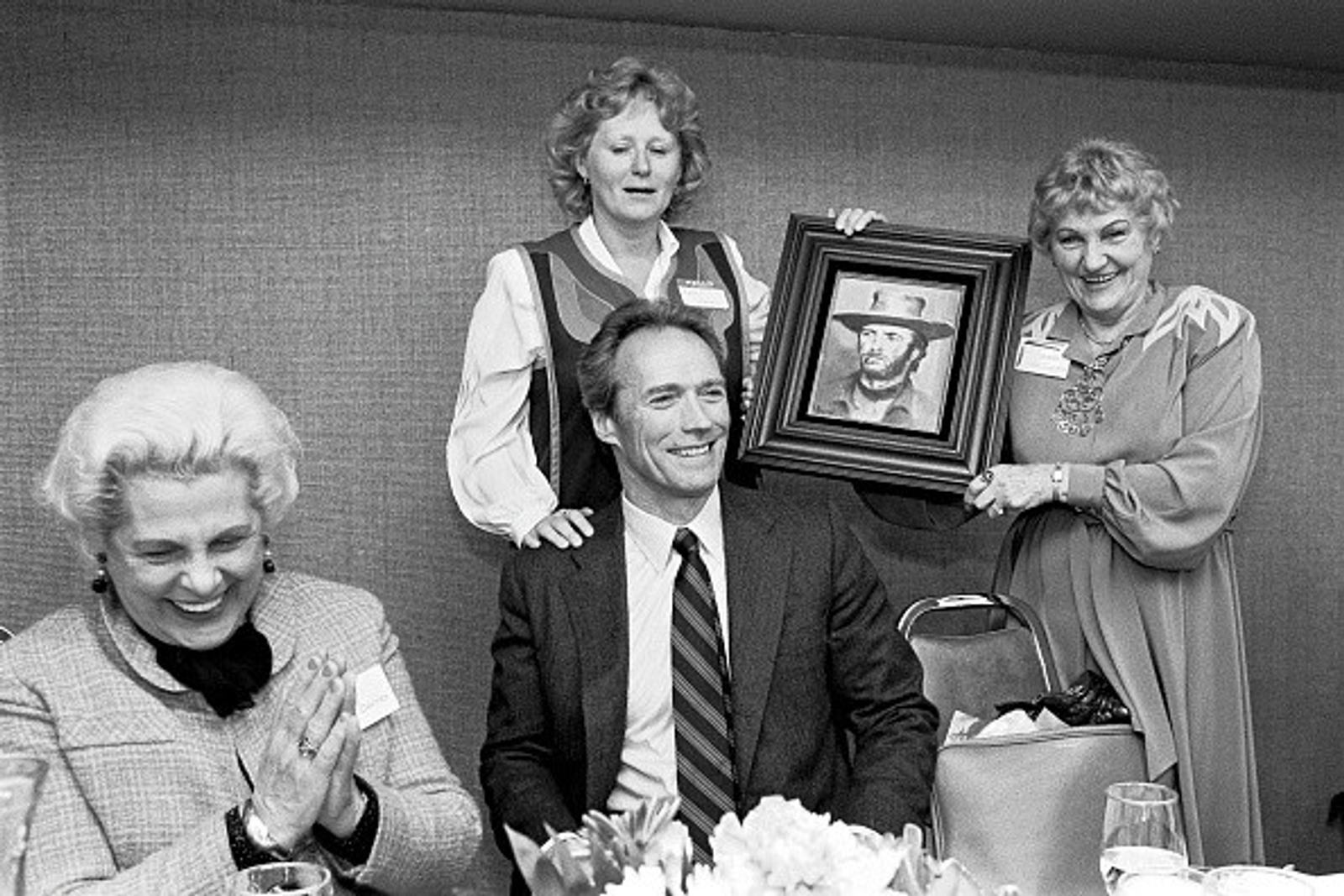
It sounds like the plot of a B-movie from the eighties. A Hollywood legend, famous for playing a no-nonsense inspector with a .44 Magnum, gets fed up with local bureaucracy and decides to run for mayor of a tiny, picturesque California town. But for the residents of Carmel-by-the-Sea, this wasn't a script. It was Tuesday, April 8, 1986.
Clint Eastwood didn't just win that night. He dominated.
He pulled in 2,166 votes to incumbent Charlotte Townsend’s 799. Basically, three out of every four people in town wanted Dirty Harry running the show. The turnout was double what the village usually saw. People were literally lining up to see if the "Man with No Name" could actually fix a broken planning commission.
The Ice Cream War and the Real Reason He Ran
If you ask the average person why Clint Eastwood became the clint eastwood carmel mayor, they’ll probably tell you about the ice cream. It’s the classic "fun fact." Since 1929, Carmel had this weirdly specific zoning law that effectively banned selling ice cream cones to go. The idea was to prevent litter and keep the "riff-raff" (tourists) from wandering around with sticky fingers.
Eastwood used it as a symbol of how out of touch the local government had become. It was a brilliant campaign move. Simple. Relatable. A little bit ridiculous.
But honestly? The ice cream was just the tip of the iceberg.
The real catalyst was a property dispute. Eastwood owned the Hog’s Breath Inn and wanted to build a small office building on San Carlos Street. The city council at the time put him through the absolute ringer. They rejected his plans, citing "residential character" rules that felt more like a personal vendetta than actual policy. Eastwood actually ended up suing the city and won an out-of-court settlement.
He realized that if he—a multi-millionaire with world-class lawyers—was getting bullied by the local board, what chance did the average shop owner have?
Life as His Honor
He wasn't a "celebrity mayor" who just showed up for ribbon cuttings. Clint was actually there.
He earned a whopping $200 a month, which he promptly donated to the Carmel Youth Center. Every Tuesday, he presided over council meetings. Because the tiny City Hall couldn't hold the crowds that showed up just to see him, they had to move the meetings to a local women's club that held 200 people.
He was shooting Heartbreak Ridge and Bird during his term. Think about that schedule. He was literally flying back from movie sets on Monday nights to make sure he was in his seat for the Tuesday gavel.
What He Actually Got Done
A lot of people think he just sat there looking cool, but the man was a workhorse for those 24 months.
- He built more public toilets. It sounds glamorous, right? But the town was a tourist magnet with nowhere to go, and the previous administration refused to build them because they thought it would encourage more visitors. Clint just saw a logistics problem and fixed it.
- The Library Annex. He spearheaded the construction of the Park Branch of the Carmel library, which specifically focused on a children's wing.
- Mission Ranch. This is probably his biggest legacy. A historic dairy farm and ranch was about to be bulldozed to make way for 70+ condos. Eastwood bought the property for roughly $5 million of his own money to preserve it. It’s still there today as a hotel and restaurant.
- The Boardwalks. He added more stairways and walkways leading down to the beach, making the coastline actually accessible to the people living there.
He also wrote a regular column for the local paper, The Carmel Pine Cone. In one famous entry, he called out a fellow councilman for skipping meetings, comparing him to a "spoiled child." He didn't lose that Hollywood edge just because he was wearing a suit.
Why He Walked Away After One Term
By early 1988, everyone was asking if he’d run again. He was still incredibly popular. He’d fixed the ice cream ban—yes, you could finally walk down Ocean Avenue with a cone—and he’d streamlined the building permit process.
But he was done.
He announced in February 1988 that he wouldn't seek reelection. He cited the need to spend more time with his kids and, frankly, the "pettiness" of local politics was starting to grate on him. Negotiating with world-class movie studios is one thing; arguing with a neighbor about the exact shade of wood for a fence is another kind of exhaustion.
He was succeeded by Jean Grace in April 1988.
The Long Shadow of the Actor-Mayor
Even today, decades later, tourists still show up at City Hall asking if Clint is in. He’s not, obviously. He's 95 now. But his influence is baked into the dirt of that town.
When you look at clint eastwood carmel mayor as a historical moment, it wasn't just a publicity stunt. It was a case study in "non-partisan" governance. He didn't care about national party lines; he cared about whether the trash was picked up and if the local library had enough books for kids.
He proved that you could be "The Man with No Name" and still care about the plumbing in a small village.
What You Can Learn From the Eastwood Era
If you’re interested in how local government actually works—or fails—the Carmel experience offers a few real-world takeaways:
- Bureaucracy vs. Common Sense: Sometimes, rules exist just because they've always existed (like the ice cream ban). Don't be afraid to question the "way it's always been done" in your own community.
- Preservation doesn't have to mean stagnation: Eastwood saved Mission Ranch by buying it, not by passing more restrictive laws. Private-public balance is often more effective than just banning things.
- Local involvement matters: If you’re frustrated with how your town is run, look at the planning commission. That’s where the real power lives.
Next Steps for History Buffs:
If you find yourself in Northern California, visit the Mission Ranch Hotel and Restaurant in Carmel. You can see the property Eastwood saved from developers firsthand. It’s one of the few places where you can actually feel the impact of his time in office without looking at a single movie poster.