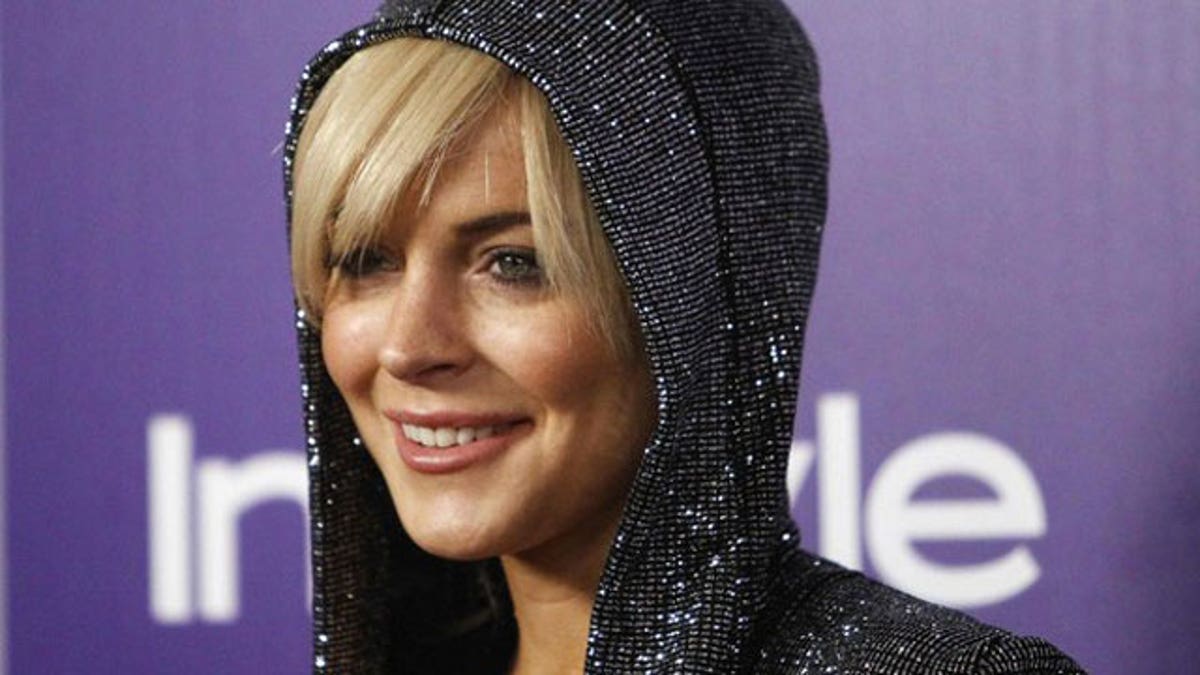
Honestly, if you grew up in the 2000s, you didn't just watch Lindsay Lohan—you watched the world try to break her. It’s wild to think about now, but for nearly a decade, her name wasn't synonymous with "Mean Girls" or "The Parent Trap." It was shorthand for a "hot mess." Every grocery store checkout line was a wall of tabloids featuring her in various states of disarray.
We saw the mugshots. The SCRAM bracelets. The blurry paparazzi shots of her leaving clubs at 4:00 AM.
But what was actually going on behind the scenes of lindsay lohan drug addiction? It wasn't just a "party girl" phase that went too far. It was a full-scale collision between a massive talent, a deeply fractured family dynamic, and a Hollywood system that basically hands young stars a match and asks why the house is on fire.
The Downward Spiral: 2007 Was the Breaking Point
Things started getting messy way before the public realized. Lindsay has admitted that the "yes men" culture of Hollywood was a huge factor. When you're fifteen and moving to California alone, and everyone is telling you "yes" to keep the movie machine running, you don't exactly develop great boundaries.
2007 was the year the wheels fell off.
In May, she crashed her Mercedes-Benz in Beverly Hills. Police found cocaine. She went to rehab at Promises for 45 days. You’d think that would be the wake-up call, right? Not even close. Less than two weeks after checking out, she was arrested again. This time it was a high-speed car chase with her personal assistant's mother. It sounds like a bad movie plot, but it was her real life.
She eventually pleaded guilty to misdemeanor cocaine use and driving under the influence. This kicked off a brutal cycle. Between 2007 and 2013, Lindsay became a permanent fixture in the Los Angeles court system.
A Quick Reality Check on the Numbers
- 6 separate rehab stints in just six years.
- Over 250 days spent in treatment facilities like Betty Ford and Cirque Lodge.
- 20+ court appearances in front of four different judges.
- Multiple probation violations, ranging from failed drug tests to skipping community service.
It’s easy to look at those numbers and roll your eyes. But if you look closer, it’s the profile of someone who was drowning. In her 2013 interview with Oprah, she was surprisingly blunt. She admitted her drug of choice was alcohol, which she used as a gateway to other things. She mentioned cocaine specifically, but not because she liked the high—she said it allowed her to drink more.
That’s a heavy realization. It wasn't about the party; it was about the numbing.
The "Junkie" Label vs. The Reality
One thing that really bothers people who followed her story is the "junkie" label. Lindsay herself fought back against this in several interviews. She once told Piers Morgan that she had only used cocaine "maybe four or five times" in her life. Now, skeptics point to her failed drug tests and arrests, but there’s a nuance there that most people miss.
Addiction isn't always about being "strung out" on a specific street drug. For Lindsay, it was a cocktail of alcohol, prescription meds, and the toxic adrenaline of being chased by 50 photographers every time she went to get a latte.
She was also dealing with some heavy family trauma. We all remember the leaked phone calls with her father, Michael Lohan, and the public feuds with her mother, Dina. Trying to get sober while your parents are selling stories to TMZ is basically playing life on "Hard Mode."
Why We’re Still Talking About It in 2026
You might wonder why lindsay lohan drug addiction still pulls such high search volume. It’s because she actually made it out. In the world of child stars, that is far from a guarantee.
She didn't just "get clean"; she changed her entire geography. Moving to Dubai was probably the smartest thing she ever did. Why? Because the paparazzi are literally illegal there. She traded the Sunset Strip for a place where she could breathe.
Seeing her now—happily married to Bader Shammas, a mom to her son Luai, and starring in Netflix hits like "Falling for Christmas" and the "Freaky Friday" sequel—is almost jarring if you remember the 2010 version of her. She looks healthy. Her skin is glowing. She’s posting about Pilates and green juice instead of 2:00 AM club exits.
She's 39 now. She's been "probation-free" since 2015. That’s over a decade of putting in the work.
What She Did Differently This Time
- Geography Change: She left the "toxic bubble" of Los Angeles entirely.
- Privacy Over Publicity: She stopped trying to explain herself to the tabloids.
- Routine: She’s been vocal about "rituals"—early mornings, strength training, and being present for her family.
- Selective Work: She’s no longer saying "yes" to everything. She’s picking projects that fit her new life, not her old ego.
The Takeaway for the Rest of Us
Lindsay’s story isn't just a celebrity gossip archive. It’s a case study in resilience. It shows that you can be the "national punchline" for a decade and still find a way to rewrite your ending.
If you or someone you know is struggling, the "Lindsay Lohan Method" (minus the Dubai move, maybe) actually has some merit. It’s about removing the triggers, finding a support system that doesn't benefit from your downfall, and realizing that recovery isn't a straight line. It’s a messy, jagged graph of 250 days in rehab and a lot of "one day at a time" moments.
If you’re looking to apply some of these "recovery vibes" to your own life or just want to support someone else, here’s what actually works:
- Identify your "Los Angeles": What environment is keeping you stuck in old patterns? You might not need to move to Dubai, but you might need to stop going to that one bar or hanging out with that one friend.
- Build a "Boring" Routine: Stability is the enemy of addiction. Lindsay’s 2026 wellness routine—Pilates, chia water, consistent sleep—is the polar opposite of her 2007 life.
- Forgive the Relapses: Lindsay went to rehab six times. If she had given up after the third or fourth, we wouldn't be seeing her comeback today.
The biggest lesson? Your "worst year" doesn't have to be your "last chapter."
Next Steps for You
If you're interested in the science of how she—and others like her—actually rewired their brains, look into the concept of neuroplasticity in addiction recovery. It explains how the brain heals after years of substance abuse. Alternatively, checking out her recent interviews on platforms like Bustle or Allure gives a much better picture of her current headspace than any tabloid ever could.