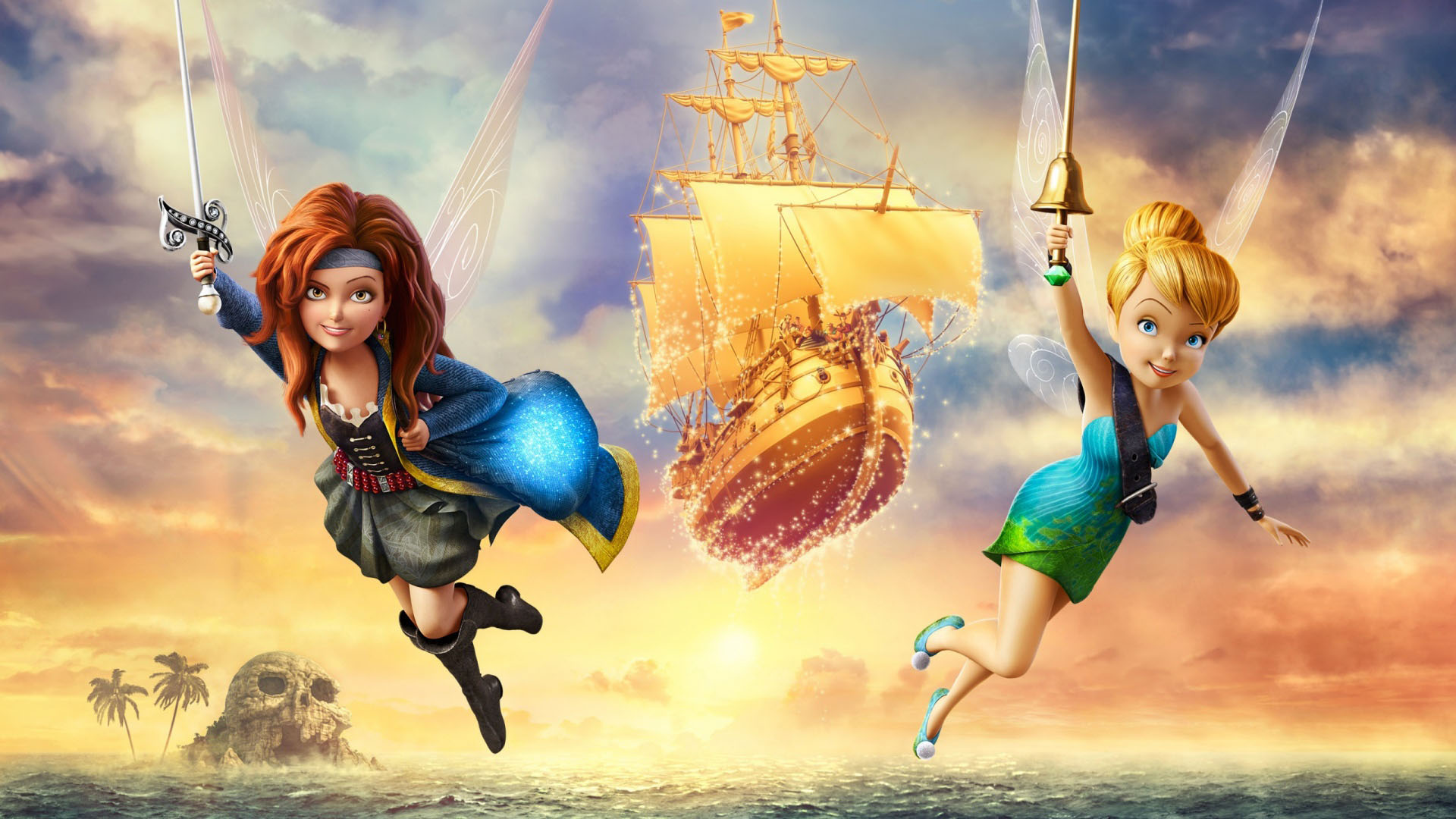
Ever since the Disney Fairies franchise took off in 2005, people have been obsessed with finding their place in Pixie Hollow. It’s a vibe. You aren't just a fairy; you have a specific, innate "talent" that dictates your job, your social circle, and even what you wear. Honestly, wondering what Tinkerbell fairy am I is basically the childhood version of taking an Enneagram test or checking your birth chart.
It's deep.
You might think you’re a Tinker because you like fixing things, but maybe you're actually a Fast-Flying fairy who just happens to have a messy desk. The nuance matters. In the world created by Gail Carson Levine and then expanded by DisneyToon Studios, your talent isn't just a hobby. It’s your essence. If you've ever felt a weirdly strong urge to organize your closet by color or if you can't stop talking to your cat, you’re already showing fairy symptoms.
The Core Talents: More Than Just Wings
Most people start their "what Tinkerbell fairy am I" journey by looking at the "Main Six." You know them. Tink, Silvermist, Rosetta, Iridessa, Fawn, and Vidia. But Pixie Hollow is huge. According to the lore, there are dozens of talents, ranging from the prestigious to the literal "scurry" fairies who handle the grunt work.
Tinkers: The Blue-Collar Heroes
Tinker-talents are the backbone. They live in Tinker's Nook and spend their days inventing, recycling "lost things," and making sure the other fairies have the tools they need to bring the seasons to the mainland. If you are someone who constantly takes apart your electronics just to see how they work, or if you have a "junk drawer" that is actually a treasure chest of potential DIY projects, you’re likely a Tinker. Tinkers are often seen as less "glamorous" than the Nature fairies, but they have the most creative freedom. They aren't just following the seasons; they're building the infrastructure of the world.
Water Fairies: The Empaths
Silvermist is the poster child for this group. Water-talent fairies can manipulate liquid in ways that defy physics. They make ripples, guide dew drops onto spiderwebs, and ensure the brooks keep babbling. If your personality is more "go with the flow" and you find yourself being the emotional mediator in your friend group, you might be a Water fairy. They are observant. They are calm. Usually.
Light Fairies: The Perfectionists
Iridessa is a Light-talent, and she’s often stressed. Why? Because light is fickle. These fairies manipulate sunlight and moonlight, create rainbows, and even help fireflies glow. If you’re the person who is always fixing the lighting in a room or if you have a very specific aesthetic on your Instagram feed, you're probably a Light-talent. It’s about precision. You can’t just slap a rainbow together; the refraction has to be perfect.
The Personality Shift: Why Your Talent Might Surprise You
Sometimes the talent you want isn't the one that fits your soul. Take Rosetta. She’s a Garden-talent fairy who hates mud. That’s a massive character irony, but it’s very human. You might love the idea of being an Animal-talent like Fawn, but if you actually hate getting your hands dirty and prefer the structural integrity of a well-built house, you might actually be a Tinker.
There is also the "Vidia Factor." Fast-Flying fairies are often seen as the "mean girls" because they are incredibly talented and, frankly, a bit arrogant. They create the breezes and the gales. If you are highly competitive, value speed over everything, and have zero patience for people who can't keep up with your brain, you’re a Fast-Flyer. Own it. Every ecosystem needs a disruptor.
The Lesser-Known Talents You Forgot About
When asking what Tinkerbell fairy am I, most people ignore the specialists.
- Scout Fairies: These are the ones who protect Pixie Hollow from hawks and other predators. They’re basically the military. High discipline, high physical stakes.
- Dust-Keepers: Think Terence. They manage the Pixie Dust. This is a job for someone who loves routine, organization, and holds a lot of responsibility. If you're the person who handles the group trip budget, you're a Dust-Keeper.
- Art-Talent: They paint the wings on butterflies and the spots on ladybugs. This is for the pure creatives who don't care about "utility" as much as they care about beauty.
- Baking-Talent: Yes, Dulcie and the others. If your love language is feeding people, this is your niche.
Understanding the "Choosing" Ceremony
In the movies, fairies are born from a baby's first laugh. They fly to Pixie Hollow, and then there's a ceremony where different objects representing the talents glow in their presence. It’s not a choice. It’s a recognition of what is already there.
This is a crucial distinction. In our world, we try to force ourselves into careers or identities because they seem "cool" or "lucrative." But in the Tinkerbell universe, you are what you are. If the hammer glows, you're a tinker. If the flower blooms, you're a gardener. It’s about radical self-acceptance.
The Science of "Fairy Personalities"
Psychologists often look at these types of fictional archetypes as a way for people to categorize their strengths. It's similar to the Myers-Briggs Type Indicator (MBTI). For instance:
- Tinkers are often ISTPs or INTPs.
- Garden-talents lean toward ESFJ or ISFJ.
- Light-talents are frequently ISTJs.
- Animal-talents are classic ENFPs.
By looking at your own MBTI, you can actually get a pretty good lead on your talent. It’s about whether you focus on the internal (thinking, inventing) or the external (animals, plants, light).
Why We Still Care in 2026
The "Cottagecore" explosion a few years ago brought the fairy aesthetic back into the mainstream. People want to live in a teapot. They want to wear clothes made of leaves. But deeper than the fashion is the desire for a "purpose." Pixie Hollow offers a world where everyone is necessary. There's no unemployment in the Home Tree.
When you ask "what Tinkerbell fairy am I," you’re really asking "where do I belong?" It's a search for community. It's about finding people who speak your specific language of mechanics, or nature, or art.
How to Determine Your Talent Without a Quiz
Forget the Buzzfeed-style clickbait for a second. To truly know your talent, you have to look at your "flow state."
What is the one thing you do where you lose track of time?
Is it organizing? (Light/Dust-talent)
Is it playing with your dog? (Animal-talent)
Is it rearranging your furniture? (Tinker/Design-talent)
Is it swimming or just being near the ocean? (Water-talent)
Your flow state is the closest thing we have to a glowing talent object. Pay attention to the moments where you feel most "yourself." That's your wings talking.
Actionable Steps to Embrace Your Inner Fairy
Once you've narrowed down your talent, don't just sit there. Use that archetype to better your real-life environment. If you're a Tinker, start a project that’s been sitting in your garage for three years. If you're a Garden-talent, finally get those indoor plants that you've been eyeing.
- Audit your hobbies. Which ones feel like "work" and which ones feel like "talents"?
- Look at your childhood. What did you naturally gravitate toward before you were told what was "productive"?
- Color-code your life. Sometimes leaning into the color associations (green for tinkers, yellow for light, etc.) can actually boost your mood and focus.
- Find your "Nook." Create a space in your home that reflects your talent. A workbench, a reading corner, a plant wall—make it your base of operations.
Identifying your talent is just the start. The real magic is in the doing. Pixie Hollow isn't a place where fairies just "exist"—they work together to make the world turn. Finding your talent is about finding your contribution to the bigger picture.
Next Steps for Exploration:
To deepen your connection with your fairy talent, try a "talent fast" for one weekend. Focus exclusively on activities that align with your suspected talent—whether that's mending clothes, hiking, or painting. See how your energy levels change when you stop trying to be a "multi-talent" and start leaning into your primary gift. You can also re-watch the original 2008 Tinker Bell film with a specific focus on the background fairies; often, the most relatable characters aren't the leads, but the specialists working in the margins. Finally, consider looking into the original Disney Fairies book series by Gail Carson Levine, which offers a much grittier and more detailed look at the social hierarchy and unique talents of the Neverland inhabitants than the films ever did.