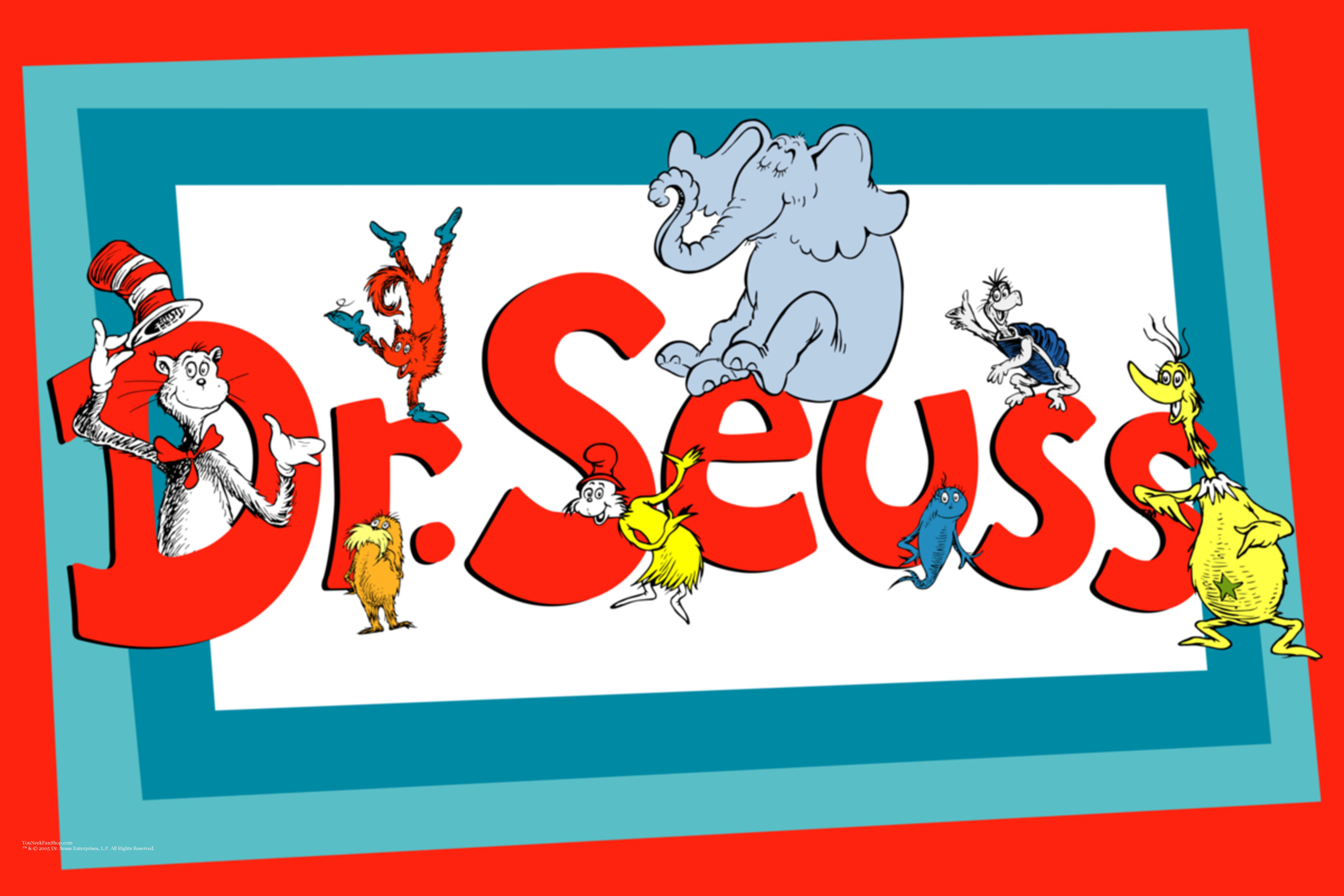
March 2nd. Mark it. If you’ve got kids in elementary school, you probably already have the date etched into your brain because of the frantic, last-minute hunt for a striped hat or a pair of mismatched socks. Dr. Seuss Day isn't just a random Tuesday on the calendar; it's the birthday of Theodor Seuss Geisel, the man who basically tricked generations of children into loving phonics.
Born in 1904, Geisel wasn't actually a doctor. He added the "Dr." to his pen name to soothe his father, who had always hoped his son would practice medicine. Instead, he practiced rhymes.
Every year, schools across the United States turn March 2 into a chaotic, whimsical festival of literacy. It’s officially known as Read Across America Day, a clever initiative started by the National Education Association (NEA) back in 1998. They figured, hey, what better way to get kids to pick up a book than by tethering the movement to the most famous children's author in history?
When is Dr. Seuss Day and the Read Across America Shift?
Technically, the birthday never moves. It’s March 2.
But things have changed lately. If you haven't checked a school calendar in the last five years, you might notice the branding looks a little different. While "Dr. Seuss Day" is what most parents still Google, the NEA has moved toward a more inclusive "Read Across America" model that lasts the whole year. They've shifted the spotlight. It's not just about the Cat in the Hat anymore.
Why the change? Well, history is messy. In recent years, researchers like Katie Ishizuka and Ramón Stephens have pointed out that some of Geisel’s earlier work contained imagery that was, frankly, hurtful and racist. In 2021, Dr. Seuss Enterprises actually stopped publishing six specific titles, including And to Think That I Saw It on Mulberry Street.
So, when is Dr. Seuss Day celebrated now? It’s still March 2, but the vibe has shifted from a cult of personality to a broader celebration of diverse stories. You'll still see the red and white hats, but you'll also see a lot more books by authors of color being read in the same classrooms. It's a "yes, and" situation.
The Weird History of How the Day Started
The NEA didn't just wake up one day and decide to throw a party. Back in the late 90s, literacy rates were a major concern. Educators wanted a "pep rally" for reading. They needed a hook.
They chose Geisel's birthday because his impact was undeniable. Before The Cat in the Hat debuted in 1957, "early readers" were incredibly boring. We're talking "See Spot Run" levels of dull. Geisel's editor bet him he couldn't write a book using only 250 specific words. He used 236. It changed everything.
Why March 2 Matters to Educators
- Motivating Reluctant Readers: The rhymes make it easy for kids who struggle with decoding words.
- Community Involvement: It’s the one day a year you’ll see local meteorologists or police officers sitting on tiny chairs reading to first graders.
- The Literacy Gap: Statistics from the Literacy Project Foundation suggest that 45 million Americans are functionally illiterate. This day is a localized attempt to dent that number.
Honestly, the day has become a massive machine. It’s a mix of genuine educational intent and a fair bit of commercialism. You can't walk into a Target in late February without being bombarded by Seuss-themed pajamas.
How People Actually Celebrate (The Real World Version)
If you're a parent or a teacher, you know the drill. It’s rarely just one day. Usually, it's "Spirit Week."
Monday is "Green Eggs and Ham" day (lots of green food dye in the cafeteria). Tuesday might be "Fox in Socks" day where everyone wears crazy footwear. By the time March 2 actually hits, everyone is exhausted from the costume prep.
But the core of it—the actual reading—is what sticks. Many libraries host "Read-Ins" where kids bring sleeping bags and just lounge with books for hours. It’s a rare moment of stillness in a digital age.
Does it actually work?
Critics sometimes argue that a single day of celebration doesn't fix a systemic literacy problem. They aren't wrong. However, a study by the American Academy of Pediatrics highlights that reading aloud to children from birth builds crucial language skills. If a guy in a giant striped hat is what it takes to get a parent to sit down and read for 20 minutes, most experts say it's a win.
The "Cancel Culture" Debate Around March 2
You can't talk about when is Dr. Seuss Day without mentioning the 2021 firestorm. When those six books were pulled from shelves, the internet exploded. Some people saw it as a necessary evolution; others saw it as an attack on childhood nostalgia.
The reality is more nuanced. Dr. Seuss Enterprises, the company that manages Geisel's legacy, made the decision themselves. They weren't "forced" by the government. They just realized that certain books didn't represent the brand they wanted to project in the 21st century.
Interestingly, the controversy actually caused sales of other Seuss books to skyrocket. People went out and bought Green Eggs and Ham in record numbers. It turns out, controversy is great for the bottom line, even if it wasn't the intended goal.
Beyond the Hat: Other Ways to Observe the Day
If you want to celebrate literacy without the Seuss-specific branding, there are plenty of ways to pivot.
- Host a Book Swap: Have kids bring in a book they’ve outgrown and trade it for a "new" one. It’s free and eco-friendly.
- Support Local Indie Bookstores: Instead of the big box retailers, hit up a local shop. Many host special events on the first Saturday of March.
- The 20-Minute Challenge: Commit to reading 20 minutes a day for the entire month of March, not just the 2nd.
Technical Details You Might Need
If March 2 falls on a weekend, most schools will celebrate on the Friday before or the Monday after. In 2026, March 2 is a Monday, so expect a full week of festivities leading up to it.
The National Education Association usually releases a "calendar" of recommended books for the year that aligns with Read Across America. For 2026, the focus continues to be on "Celebrating a Nation of Diverse Readers." This means you'll see titles like Watercress by Andrea Wang or The Undefeated by Kwame Alexander getting a lot of traction alongside the classics.
Is it a Federal Holiday?
No. You still have to go to work. Banks are open. The mail still runs. It’s a "national observance," which is basically the government's way of saying "This is a good idea, but we aren't paying for it."
Why We Still Care
We live in a world of TikTok and 10-second attention spans. A book is a hard sell. But there’s something about the rhythmic, percussive nature of Dr. Seuss’s writing that mirrors the way kids naturally speak. It’s musical.
When you hear a room full of kindergartners reciting One Fish, Two Fish, Red Fish, Blue Fish, you realize it’s not just about the words. It’s about the confidence. It’s the moment a child realizes they can decode the symbols on the page and turn them into a story.
That’s a powerful thing.
Actionable Steps for This Year’s Celebration
Don't wait until March 1 to figure out your plan. If you want to make the most of the day, start small.
- Audit Your Bookshelf: Take a look at what your kids are reading. Is it all the same voice? Try to find a book by an author from a background completely different from your own.
- Check the Library Calendar: Most public libraries finalize their March schedules in January. Sign up for the workshops early; they fill up fast.
- Prep the Costumes Now: If your school does the "Character Parade," buy the felt and the glue now. Seriously. The craft store will be a desert by February 25.
- Volunteer: If you don't have kids, contact a local Title I school. They often look for guest readers to come in for 30-minute slots.
Whether you call it Dr. Seuss Day or Read Across America Day, the goal remains the same. Get a book into a hand. Read it out loud. Make it fun. The striped hat is optional, but the enthusiasm isn't.
March 2 is coming. Be ready.
Next Steps for Readers:
Check your local school district's website for their specific "Spirit Week" schedule, as many schools adjust the celebration dates to avoid testing windows or spring breaks. If you're looking for fresh reading material, visit the official Read Across America site to see the 2026 recommended book list, which focuses on contemporary titles that complement the traditional Seuss classics. Finally, consider donating a new or gently used children's book to a "Little Free Library" in your neighborhood to help spread the joy of reading beyond the classroom.