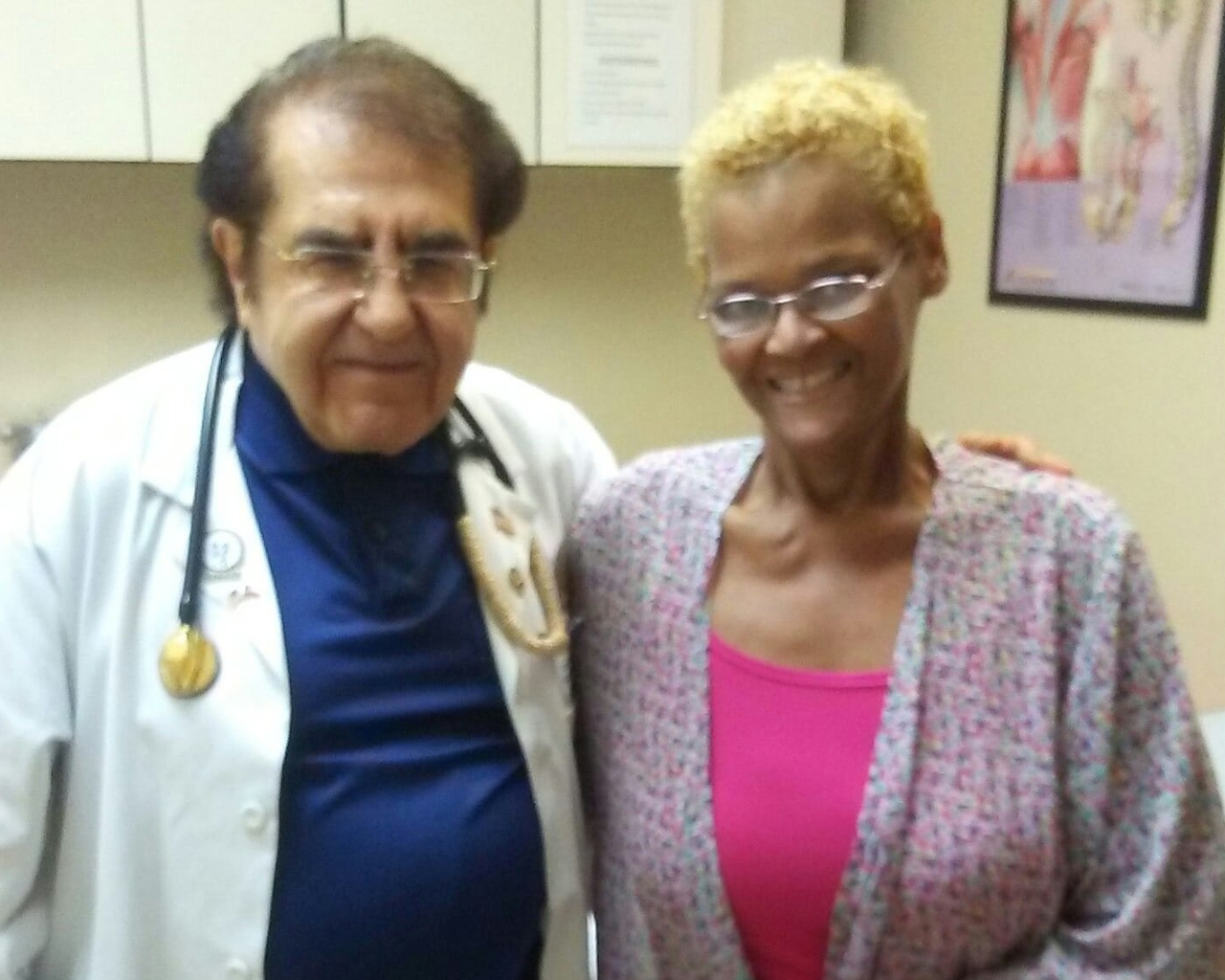
Milla Clark didn't just survive My 600-lb Life; she basically rewrote the script for what’s possible on that show. Most people remember her as the woman who was bedridden for years, trapped by massive lymphedemas on her legs that made even standing up feel like a pipe dream. If you’re looking for 600 lb life milla now, you aren’t just looking for a weight update. You’re looking for one of the few genuine success stories in a series that often ends in heartbreak or stagnation.
She's different.
When Milla first appeared in Season 4, she weighed in at 751 pounds. That number is staggering, but it doesn't tell the whole story of her being unable to bathe herself or the intense pressure on her children to act as primary caregivers. It was heavy. Literally and emotionally. But if you check in on her today, the transformation isn't just about a smaller dress size. It’s about a woman who reclaimed her autonomy after being written off by almost everyone except Dr. Nowzaradan.
The grueling climb from 751 pounds
Let's be real: Dr. Now is tough. He doesn't take excuses. For Milla, the journey wasn't a straight line. She had to deal with the devastating loss of her husband, Elroy, during her filming period. Most people would have folded. Grief usually triggers the exact kind of emotional eating that lands people on the show in the first place. Somehow, Milla used it as fuel.
She lost enough weight to qualify for multiple surgeries. We aren't just talking about gastric bypass here. She needed massive skin removals and specialized procedures to handle the lymphedema that had essentially anchored her to her bed. By her follow-up episode, she had dropped down to 155 pounds. Think about that for a second. She lost about 600 pounds. She lost an entire person—actually, she lost three average-sized people.
It's actually the most weight anyone has ever lost in the history of the program.
Why her success stuck when others failed
Why did Milla succeed? Honestly, it’s about the "why" behind the weight. A lot of guests on the show fight Dr. Now every step of the way. They sneak fries into the hospital. They lie about their "water weight." Milla seemed to have this realization that her kids were losing their childhood because they were busy being her nurses. That guilt is a powerful motivator.
She also moved to Houston. That's a huge factor that people overlook. By physically uprooting her life to be near the clinic, she removed herself from the environment that enabled her addiction. She was all in.
Life after the cameras stopped rolling
Social media gives us the best glimpse into 600 lb life milla now, and it’s honestly refreshing. She isn't just "not 700 pounds anymore." She’s active. She’s walking. She’s traveling. She’s actually being a mother instead of a patient.
One thing you’ll notice if you follow her updates is her focus on family. She recently shared photos of herself standing tall next to her grown children. For years, they had to lift her. Now, she’s the one standing on her own two feet. She also underwent knee replacement surgery—a necessary step because carrying 700+ pounds for years basically deletes your joints. You can't just lose the weight and expect the body to be perfect; you have to repair the structural damage left behind.
She looks happy. Not "TV happy," but genuinely liberated.
The reality of maintaining a 600-pound loss
It isn't all sunshine and salads. Maintaining that kind of weight loss is a daily cage match with your own biology. Your body wants that weight back. It thinks it’s starving. Milla has been pretty transparent about the fact that she has to stay vigilant. She follows a strict low-carb, high-protein regimen, much like the one Dr. Nowzaradan prescribes to all his patients.
- The Diet: It's basically the "Dr. Now Diet" for life. No sugar, no bread, no pasta.
- The Movement: She stays mobile. After being bedridden for years, she treats walking like a privilege, which it is.
- The Mindset: She focuses on her "non-scale victories," like fitting into a regular car seat or shopping at a normal store.
She has also become something of an inspiration on social media, often posting words of encouragement for others struggling with morbid obesity. She doesn't come across as preachy, though. She knows how hard the hole is to climb out of because she was at the very bottom of it.
Common misconceptions about Milla's journey
People often think these surgeries are "the easy way out." If you watch Milla’s story, you know that’s nonsense. Surgery is just a tool. If she hadn't changed her relationship with food, she would have stretched her stomach back out within two years. We've seen it happen to dozens of other cast members.
Another myth is that the show pays for everything forever. While the production covers the initial surgeries filmed for the episode, the long-term maintenance, the therapy, and the subsequent corrective surgeries often fall on the individual. Milla’s success is a testament to her personal discipline, not just a lucky break from a TV network.
What we can learn from her transformation
Milla Clark’s story is a blueprint for radical life change. It’s not just about the calories. It’s about:
- Extreme Accountability: She stopped blaming her lymphedema and started focusing on what she could control.
- Support Systems: Her children were her backbone, but she eventually transitioned to being their support system instead of their burden.
- Persistence: She didn't stop at the "goal weight." She kept going until she reached a level of health that allowed for total mobility.
Moving forward with your own goals
If you’re inspired by Milla, the takeaway isn't that you need a reality TV crew to change your life. It’s that the human body is incredibly resilient if you give it a chance.
Actionable Steps for Radical Health Changes:
- Consult a bariatric specialist if you are dealing with Class III obesity; it’s a medical condition, not a character flaw.
- Prioritize mental health. Milla had to process the loss of her husband while losing weight. Without emotional processing, physical change rarely sticks.
- Focus on protein and fiber. This keeps you full and protects your muscles while the fat drops off.
- Celebrate the "small" wins. Being able to stand up for five minutes is a massive victory if you haven't done it in a year.
Milla Clark remains the gold standard for My 600-lb Life. She proved that even when you are literally pinned to a bed by your own weight, there is a way back. You just have to be willing to do the work when the cameras aren't watching.