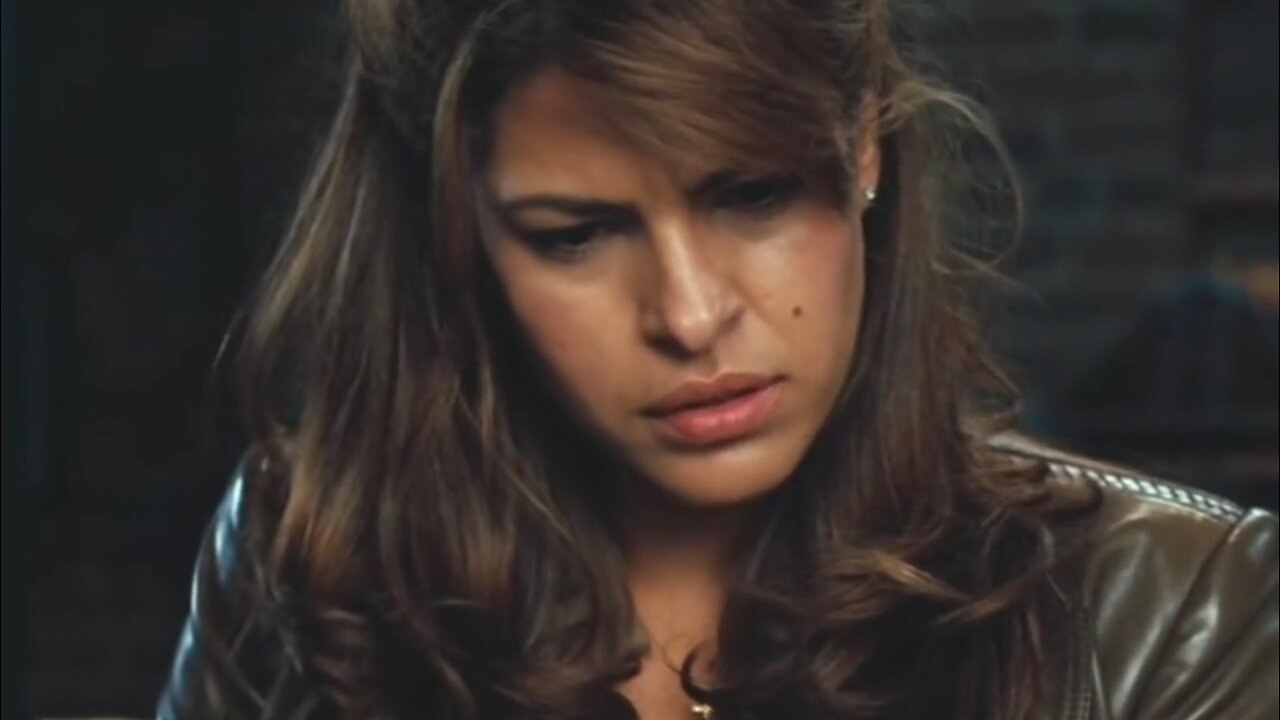
You’ve seen them everywhere. That one scene where a hero walks away from an explosion without looking back, or a tear-jerking monologue that somehow ends up as the background for a "POV: you just finished your shift" meme. People love movie clips. They’re basically the currency of social media in 2026. But honestly, most creators are doing it totally wrong. They either rip low-quality footage from a sketchy site or post something that gets slapped with a copyright strike before it even hits 100 views.
Finding high-quality, viral-ready Hollywood clips isn't just about knowing the right URL. It's about knowing which platforms are actually legal and which ones will get your account nuked.
The Big Names: Where the Quality Lives
If you want the "official" stuff, you start at the source. Fandango’s Movieclips channel on YouTube is still the king of this world. They have over 60 million subscribers for a reason. They have the licenses. That means when you see a clip there, it’s not some shaky theater recording—it’s the actual studio master file.
But YouTube isn't the only place. Instagram and TikTok have evolved. You've probably noticed that certain accounts like Filmthusiast or Cinema Magic seem to have every iconic frame ever shot. They aren't just lucky; they’re using specific databases.
The Search Engines You Didn't Know Existed
Sometimes you don't want a whole scene. You want a specific line. Have you ever tried PlayPhrase.me? It’s kinda mind-blowing. You type in a phrase like "I'll be back," and it pulls every single instance of that line from thousands of movies. It’s perfect for those quick-hit viral edits.
Then there’s Yarn.co. It’s basically the Giphy of movie clips. If you need a five-second snippet of a character saying "really?" to use as a reaction, this is the spot. It’s fast, it’s searchable, and it’s built for the way we communicate now.
Is It Legal? The Fair Use Headache
Look, I’m not a lawyer, but you’ve gotta understand "Fair Use" if you’re going to play in this sandbox. Using a clip isn't just "free real estate." The law generally protects you if your use is transformative.
What does that even mean?
Basically, if you just repost a scene from The Batman with no changes, that’s a violation. But if you’re a creator like Maddi Koch or Cameron Kozak, and you’re adding commentary, a review, or a funny parody over it, you’re in much safer territory.
- Commentary: Explaining why a scene works.
- Parody: Making fun of the tropes (think Nicholas Flannery’s "dead wife at the start of the movie" bits).
- Education: Breaking down the lighting or the lens choices.
If you’re just looking to watch, you don’t need to worry. But if you’re looking to share and go viral, the "how" matters just as much as the "where."
Where to Find Viral Hollywood Movie Clips for Creators
If you’re an editor, you need clean files. You can’t just record your screen; it looks like garbage.
- Clip.Cafe: This is a hidden gem. It’s a massive library of HD clips categorized by movie, actor, and even emotion.
- Comb.io: Similar to Yarn, but focused specifically on animated shows and certain cult classics.
- Official Studio Channels: Warner Bros., Universal, and Sony have dedicated "Clips" sections on their YouTube pages. They want you to see these because it’s free marketing for their streaming services.
I’ve seen a lot of people lately buying "clip bundles" on sites like Etsy. Honestly? Be careful. These are often just batches of clips someone else downloaded, and there's no guarantee they won't get flagged. You're better off sourcing them yourself from the databases mentioned above.
The Secret Sauce of "Viral-Ready" Clips
Why do some clips go viral while others rot? It’s usually the context.
The most successful movie accounts in 2026 aren't just "movie" accounts. They’re niche. Some focus only on color palettes (like @colorpalette.cinema on Insta). Others focus on cinematography and lenses.
If you want to find the next viral trend, stop looking at what's popular now and start looking at what's resonant. A clip of a character being lonely might do okay, but a clip of a character being lonely specifically in a way that matches a new trending audio? That’s gold.
Why Resolution Matters
In 2026, people are viewing everything on high-res OLED screens. If your clip is 720p, it looks ancient. Always aim for 4K. Sites like Pexels or Pixabay are great for "movie-like" B-roll, but for actual Hollywood footage, you need to stick to the HD masters on YouTube or official PR kits.
Actionable Steps for Your Next Post
Don't just go out there and start dumping clips. You’ll get banned. Do this instead:
- Pick a Niche: Don't just be "The Movie Guy." Be the "90s Sci-Fi Horror Guy."
- Source High Quality: Use Movieclips or Clip.Cafe for 1080p/4K files.
- Add Your Voice: Whether it’s text-on-screen, a voiceover, or a weird edit, make it yours.
- Check the Audio: 2026 copyright bots are mostly looking for music. If the movie clip has a licensed song playing in the background, you’re probably going to get flagged. Try to find scenes with just dialogue or ambient sound.
The world of viral cinema content is huge, but it's getting crowded. The people who win are the ones who treat these clips like raw materials for a new piece of art, rather than just something to copy and paste.