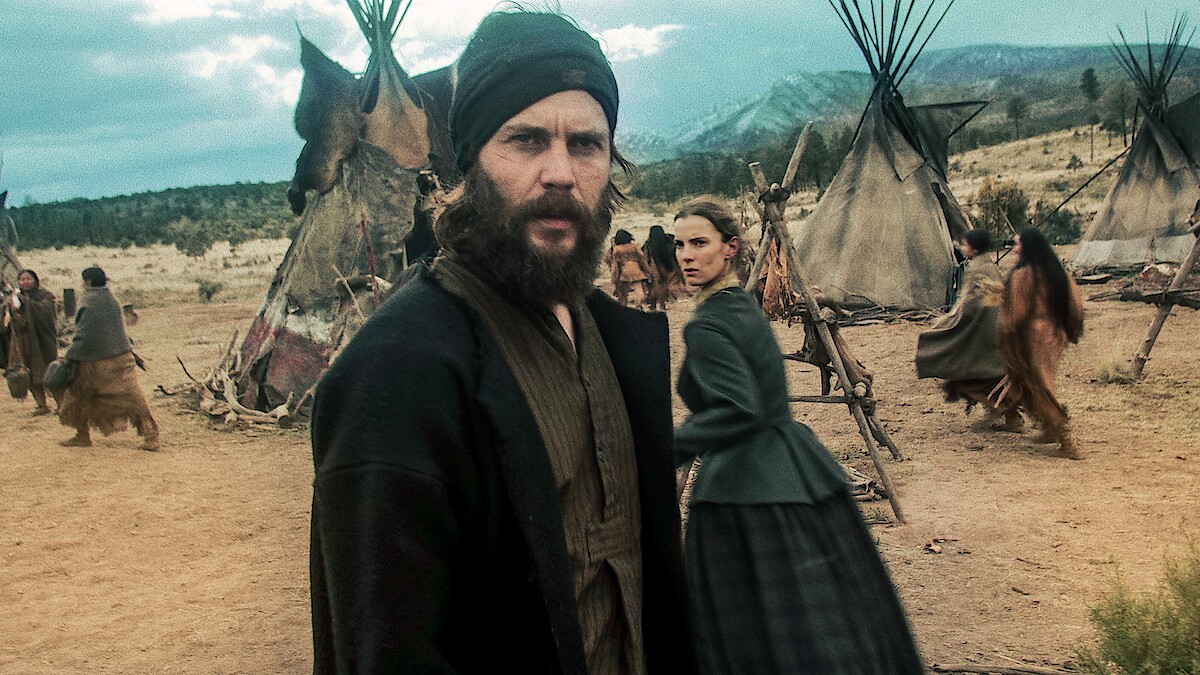
Netflix hasn't been shy about spending money on huge, sweeping landscapes lately. When you watch a show like American Primeval, that raw, dust-in-your-teeth feeling isn't just a digital filter or a clever trick on a soundstage in Burbank. It's real. If you’ve been wondering where was American Primeval filmed, the answer takes us deep into the high desert and the rugged mountains of New Mexico.
The production didn't just pick a spot and stay there. They moved. They hunted for spots that looked like the 1850s—places where the world still feels a bit dangerous and untouched. Pete Berg, the director, is known for wanting things to feel visceral. You can see it in the dirt under the fingernails of the cast. He wanted the environment to be a character itself, and honestly, you can’t get that unless you’re actually out there battling the elements.
Santa Fe and the New Mexico Wilderness
New Mexico is basically the capital of the modern Western. It has been for a while. But for American Primeval, the production centered heavily around Santa Fe.
It’s easy to see why. The light there is different. High altitude does something to the way sun hits the ground, creating these long, sharp shadows that look incredible on 4K cameras. Most of the filming took place in and around the Bonanza Creek Ranch. This isn't some tourist trap; it’s a working film ranch that has hosted everything from 3:10 to Yuma to Longmire. It provides that classic, weathered "frontier town" look that is nearly impossible to replicate from scratch without spending ten times the budget.
But it wasn't just the ranches.
The crew spent a massive amount of time in the high desert landscapes surrounding the city. We’re talking about the Cerrillos Hills and the vast, open plains that stretch toward the horizon. When you see those shots of travelers struggling across the wilderness, they aren't on a treadmill. They’re navigating the actual rocky terrain of the Southwest.
Why New Mexico?
Money matters, obviously. New Mexico has some of the best film tax incentives in the United States, which is why Netflix basically has a permanent home there at Albuquerque Studios. But for a show about the birth of the American West, it’s about the soul of the place. The topography in the northern part of the state offers a mix of scrubland, dramatic mesas, and dense forests that can double for several different states.
The production also utilized the Zia Pueblo. Using indigenous lands for a story that involves the complex history of the West adds a layer of authenticity that you just can't fake. It's respectful, and it brings a visual texture to the screen that feels grounded in reality rather than a Hollywood backlot version of history.
The Brutality of the Elements
Filming in New Mexico isn't a vacation.
The cast, including Taylor Kitsch and Betty Gilpin, had to deal with the reality of the high desert. In the morning, it might be freezing. By noon, the sun is trying to cook you alive. Then the wind starts. If you’ve ever been to Santa Fe in the spring or fall, you know the wind doesn't just blow; it carries the desert with it.
That grit you see on the characters? Half of it is probably real dust from a Tuesday afternoon shoot.
The production reportedly faced some tough conditions. When you're filming on location in these remote areas, you’re dealing with logistics that would make most people quit. Moving heavy camera equipment, horse trailers, and a full crew into the middle of a rocky canyon requires military-level precision. But that’s the trade-off. You get shots of the Sangre de Cristo Mountains that make the show feel massive.
Beyond the Ranches: Specific Landscapes
While Bonanza Creek is the "hub," the show branched out into the Galisteo Basin. This area is famous among cinematographers for its "big sky" feel.
There are no power lines.
No distant highways.
Just earth and sky.
This is where the show captures the isolation of the 1850s. Back then, if you broke a wagon wheel or ran out of water, you were basically dead. The Galisteo area captures that "middle of nowhere" vibe perfectly. It’s hauntingly beautiful but looks like a place that would be very difficult to survive in if you didn't know what you were doing.
They also filmed near Albuquerque, taking advantage of the diverse ecosystems surrounding the city. The Rio Grande Valley provides a bit more greenery and water features, which contrasts with the bone-dry mesas found further north. This variety allows the show to look like a journey across a vast distance, even if the filming locations are only an hour or two apart by car.
Breaking Down the Visual Language
The choice of New Mexico shapes the entire "look" of the series.
- The Palette: Lots of ochre, burnt sienna, and deep blues.
- The Texture: Cracked earth, sagebrush, and weathered wood.
- The Scale: Tiny humans against massive, uncaring mountains.
The Impact on the Local Economy
It’s worth mentioning that when a show like American Primeval rolls into town, it’s a huge deal for the locals. We’re talking about hundreds of jobs for crew members, extras, and local vendors. Netflix’s commitment to New Mexico has turned the state into a powerhouse for this kind of storytelling.
Local horse wranglers and historical consultants are often brought in to make sure the "feel" is right. You can’t just put a saddle on a horse and hope for the best; you need people who understand the specific breeds and equipment used in the mid-19th century.
Mapping the Experience
If you were to drive the "American Primeval trail," you’d start in Santa Fe. You’d head south toward the Cerrillos Hills State Park. Then, you’d pivot over to the Galisteo Basin. You would see the exact same ridges and peaks that Taylor Kitsch’s character stares at in the show.
It’s a stark reminder of how little some parts of the American West have changed. While the cities grow, the desert just sits there, looking exactly like it did 170 years ago. That’s the magic of filming in New Mexico. It’s a time machine.
Actionable Insights for Fans and Travelers
If you’re planning to visit the areas where American Primeval was filmed, there are a few things you should know. It’s not all red carpets and movie sets.
- Check Access First: Many of the film ranches, like Bonanza Creek, are private property. You can’t just wander onto the set of a movie town. However, they sometimes offer tours or host events, so check their official websites before you go.
- Visit the State Parks: Places like Cerrillos Hills State Park are open to the public and offer the exact same scenery you see in the show. It’s great for hiking, but bring more water than you think you need. The sun at 7,000 feet is no joke.
- Support Local Industry: If you want to see the "Hollywood of the Rockies" in action, spend some time in Santa Fe’s Railyard District. You’ll often see crew members grabbing coffee or gear.
- Photography Tips: If you want to capture that American Primeval look, shoot during the "Golden Hour"—the hour just before sunset. The New Mexico dust acts like a natural diffuser, creating a glow that you won't find anywhere else.
- Respect the Land: Much of the filming took place near or on indigenous lands. If you are exploring the backcountry, stay on marked trails and respect any "no trespassing" signs. These aren't just suggestions; they’re often sacred or private areas.
The locations for American Primeval aren't just backdrops. They are the foundation of the story. By choosing the rugged, unforgiving terrain of Northern New Mexico, the creators ensured that the struggle of the characters feels earned. When you see a character shivering or covered in sweat, remember that the actors were likely feeling exactly that in the volatile climate of the high desert.
Next time you watch, look past the actors. Look at the horizon. Those mountains have been there long before the cameras arrived, and they’ll be there long after the "Western" genre evolves again. It's a piece of history preserved through the lens of a camera.