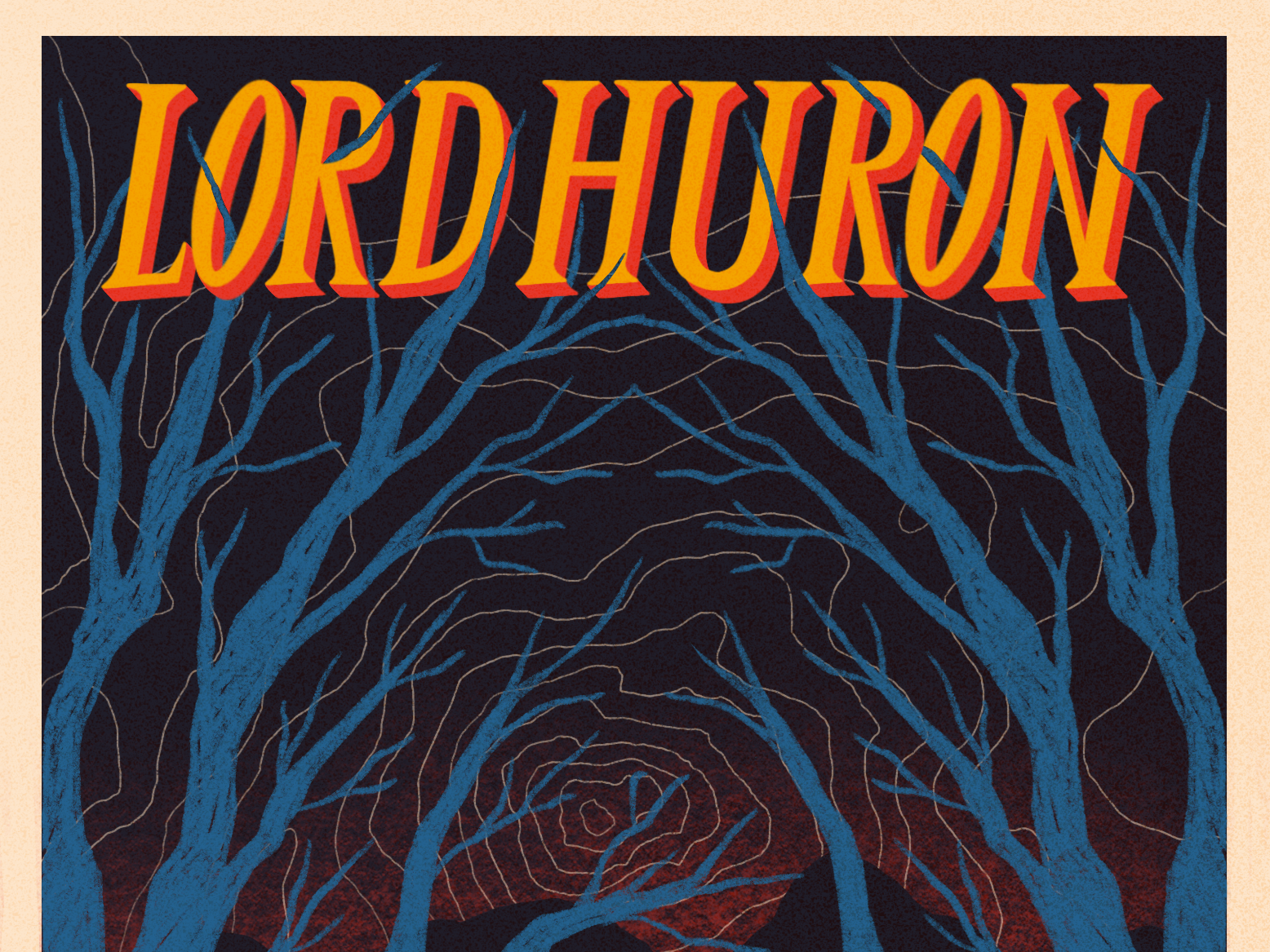
Ben Schneider didn’t just wake up one day and decide to start a band. He was already out there, basically living a double life. By day, he was a graphic designer in Los Angeles, but his head was permanently stuck in the woods of Michigan. Specifically, Lake Huron. That's where the name comes from. You’ve probably heard "The Night We Met" a thousand times on Spotify or in 13 Reasons Why, but if you think Lord Huron is just a solo project or some faceless indie collective, you’re missing the actual glue that keeps that "spooky campfire" vibe alive. The Lord Huron band members aren't just session musicians; they’re a tight-knit crew that turned Schneider’s visual art experiments into a touring juggernaut.
It started as a bedroom project around 2010. Ben was recording everything himself for the Into the Sun EP. But you can’t play those lush, layered harmonies alone on a stage at Coachella. He needed his childhood friends from Okemos, Michigan. That's the secret sauce. Most bands meet in college or through "musician wanted" ads on Craigslist. These guys? They’ve known each other since they were kids. It gives their live show this weird, psychic connection that you just can't fake with hired guns.
Meet the core Lord Huron band members
Let's get into the roster. At the center is Ben Schneider. He’s the mastermind. He writes the songs, creates the album artwork, and even builds the elaborate backstories and fictional characters like "Lonesome Dreams" or "Vide Noir." He’s the guy you see front and center with the wide-brimmed hat, looking like he just stepped out of a 1950s pulp novel.
Then there’s Mark Barry. He’s the percussionist and handles backing vocals. Mark is basically the heartbeat of the band. If you listen to the rhythmic, almost tribal driving force behind songs like "Ends of the Earth," that’s Mark. He’s been with Ben since the very early days of the Michigan scene.
Miguel Briseño is the wild card. He plays bass and keyboards, but he’s also the guy responsible for that haunting theremin sound you hear in their more psychedelic tracks. Watching him on stage is a trip because he switches instruments mid-song without breaking a sweat. He brings a certain cinematic moodiness that prevents the band from sounding like "just another folk group."
Rounding out the core four is Tom Renaud on guitar. Tom’s guitar work is subtle. It’s not about flashy solos. It’s about texture. He uses a lot of reverb and delay to create that "vast desert" atmosphere. When people talk about the "Lord Huron sound," they’re usually talking about the way Tom’s guitar interacts with Ben’s vocals to make everything feel massive and slightly ghostly.
Why the lineup rarely changes
In an industry where bands swap members like trading cards, Lord Huron has stayed remarkably consistent. Why? Because they operate more like a creative studio than a corporate entity. They share a visual language. Since Ben is an artist first, he treats the band members like collaborators on a massive, ongoing art piece.
Honestly, the chemistry is what saved them when they moved from the folk-centric sound of Lonesome Dreams to the gritty, neon-soaked rock of Vide Noir. A lot of bands would have crumbled under that kind of genre shift. But because the Lord Huron band members have a shared history, they were able to evolve together. They moved from acoustic guitars to fuzzed-out electrics without losing their identity.
The touring extras you might recognize
While the core four are the names on the lease, so to speak, they often bring in extra hands for the road. For years, Brandon Walters has been a frequent touring member, adding extra layers of guitar and lap steel. If you’ve seen them live recently, you might have also noticed a female vocalist or additional keys. They aren’t "official" members in the sense of the founding Michigan group, but they are essential for recreating the wall of sound found on albums like Long Lost.
- Ben Schneider: Vocals, Guitar, Artwork, Creative Director.
- Mark Barry: Drums, Percussion, Vocals.
- Miguel Briseño: Bass, Keys, Theremin.
- Tom Renaud: Guitar, Vocals.
The Michigan connection and the "Long Lost" era
There’s this misconception that they’re a "California band" because they’re based in LA and record at their own studio, Whispering Pines. But if you talk to any of the Lord Huron band members, they’ll tell you their souls are still in the Great Lakes. That Midwestern work ethic is all over their touring schedule. They aren't divas. They’re the kind of guys who spend months obsessing over the "ping" of a snare drum to make sure it sounds like it was recorded in a 1960s radio station.
The latest era of the band, centered around the album Long Lost, really highlighted the individual talents of the members. They leaned heavily into Western swing and vintage country. This required Mark Barry to pull back on the heavy percussion and focus on brushes and light touches, while Miguel had to master the vibes of a classic studio session bassist. It proved they aren't one-trick ponies. They can do "indie folk," but they can also do "cosmic country" with the best of them.
Surprising facts about the guys
People usually don't realize how much of the "Lord Huron" world is actually built by the band themselves. They don't farm out their music videos to big Hollywood directors. It’s all in-house. Ben directs, and the other guys help with the logistics.
- They once created a fake public access TV station to promote an album.
- Mark and Ben played in bands together in high school long before Lord Huron existed.
- Miguel is often the one experimenting with vintage analog gear to find those "weird" noises.
- They own their own studio, which allows them to record whenever they want without a clock ticking.
The band is also surprisingly private. You won't find them in the tabloids. They let the characters they create—like Tubbs Tarbell or the Phantom Riders—take the spotlight. It's a smart move. It keeps the focus on the music and the "mythology" rather than who is dating whom in Hollywood.
How to follow the band's work today
If you're looking to keep up with what the Lord Huron band members are doing, your best bet is their official "Whispering Pines" broadcasts. They’ve embraced a weird, retro-experimental way of communicating with fans that fits their brand perfectly.
Instead of standard "we're in the studio" selfies, they release cryptic videos and strange lore-heavy updates. It keeps the fans engaged on a deeper level. You’re not just a fan of a band; you’re a fan of a whole universe.
Actionable insights for fans and musicians
To truly appreciate what this lineup has built, you should look beyond the hits.
- Listen to the "Alive from Whispering Pines" sessions. These live-in-studio recordings show the raw talent of the four core members without the studio polish. You can hear exactly how Miguel and Tom layer their instruments.
- Watch the credits. If you look at the liner notes of their vinyl, you'll see how much the members contribute beyond just their primary instruments. It’s a masterclass in DIY band management.
- Study the transition between albums. If you're a musician, analyze how they changed their gear between Strange Trails and Vide Noir. It shows how a consistent group of people can completely redefine their sound just by changing their tools.
- Check out Ben's art. Understanding the visual side of the band helps you understand why the music sounds so "wide." The music is essentially a soundtrack to the paintings.
The story of Lord Huron is really a story of friendship. It’s about four guys from Michigan who moved to the West Coast and managed to stay together while the world around them changed. They’ve built a lasting legacy by staying true to their own weird interests, whether that’s ghost stories, cosmic philosophy, or vintage recording equipment.
Next time you hear "The Night We Met," remember it's not just a song—it's the product of a decade-plus of collaboration between four guys who have known each other since they were wearing backpacks in a Michigan hallway. That’s why it feels so authentic. That’s why they’re still here.