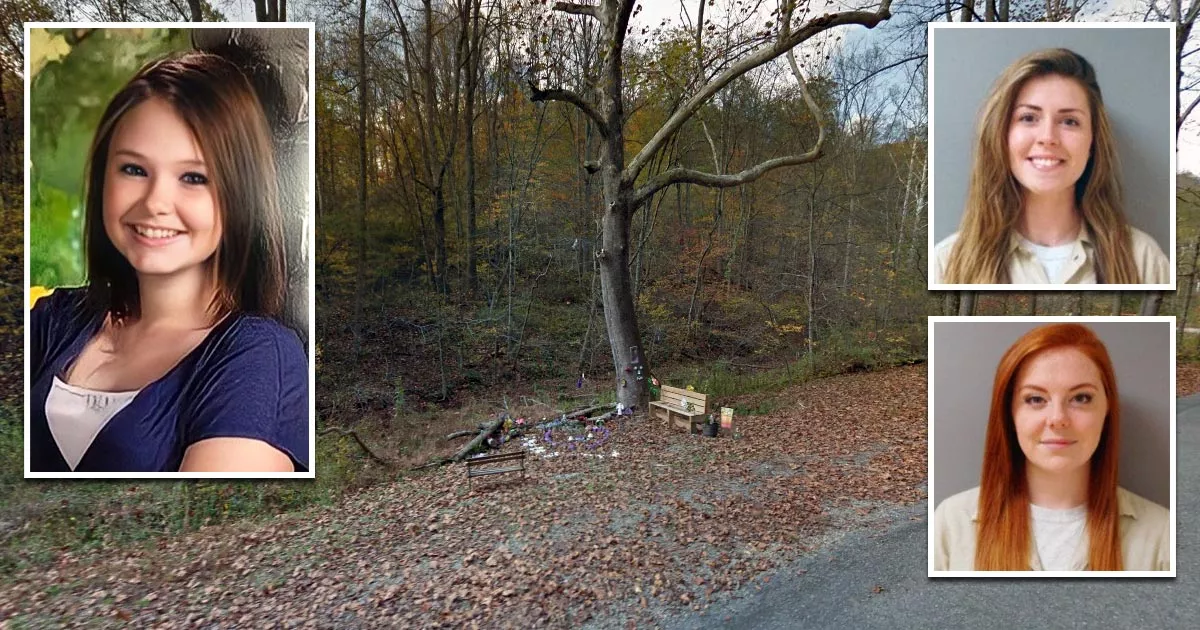
Skylar Neese didn’t just vanish. On July 6, 2012, the 16-year-old honors student from Star City, West Virginia, climbed out of her ground-floor bedroom window, thinking she was heading out for a midnight joyride with her two best friends. She never came back. For months, her parents, Dave and Mary Neese, lived in a waking nightmare, clutching onto the hope that their only daughter had just run away and would walk through the door any second.
The truth was much darker.
It wasn't a stranger in a van or a random predator. The people who killed Skylar Neese were the same girls who had sat on her bed, shared her secrets, and even helped her parents hand out missing person flyers in the weeks following her disappearance. Their names were Shelia Eddy and Rachel Shoaf.
The Night Everything Went Wrong
The plan was cold, calculated, and terrifyingly simple. Shelia and Rachel had been inseparable from Skylar since middle school, but by the summer of 2012, the dynamic had shifted. There was tension. A lot of it.
Around 12:30 AM, Shelia pulled her car up to the Neese’s apartment complex. Skylar, caught on a grainy surveillance camera, hopped into the back seat. They drove across the state line into a wooded area near Brave, Pennsylvania—a spot they often went to smoke marijuana and just hang out.
They brought "murder kits" in the trunk: kitchen knives, bleach, a shovel, and a change of clothes.
When they got to the spot, they waited for the right moment. They told Skylar they forgot a lighter in the car. As she turned her back to go grab it, the girls counted to three. That was the signal.
Who Killed Skylar Neese? A Betrayal Like No Other
They attacked her together. Skylar tried to run, but she didn’t stand a chance. Rachel tackled her, and both girls stabbed her dozens of times—over 50, according to some reports. Skylar’s final words were a plea for them to stop, but they didn’t.
"She stopped making weird sounds."
That’s how Rachel later described the moment Skylar finally died.
The most chilling part? They couldn't even bury her. The ground in that part of Pennsylvania was too hard and rocky for their shovel. So, they dragged her body a few feet from the road, covered her with some branches and dirt, and just... drove home. They cleaned up, went to sleep, and pretended nothing happened.
Shelia Eddy was particularly sociopathic about it. She posted on Twitter regularly, acting like a grieving friend. One of her tweets, posted months after the murder, simply said, "we really did go at 3," a sick reference to the countdown they used to start the stabbing.
Why Did They Do It?
This is the question that haunts everyone who hears this story. When the police finally got Rachel Shoaf to confess in January 2013, she gave a reason that was so petty it felt impossible to believe.
She basically said, "We just didn't like her."
They didn't want to be her friend anymore. Instead of just ghosting her or starting a high school drama, they decided she had to die. However, there’s more to it than just "mean girl" antics. Skylar’s father and investigators eventually pointed toward a more specific motive: Skylar knew too much.
Rachel and Shelia had allegedly started a romantic relationship with each other. They were terrified Skylar was going to out them. In a small West Virginia town in 2012, they felt that secret was worth killing for. During a 2023 parole hearing, Dave Neese confirmed that Rachel finally admitted this was the core reason. They were afraid of the "secrets" Skylar held.
The Aftermath and Where They Are Now
For six months, the community searched. The FBI got involved. The breakthrough didn't come from forensics—it came from Rachel's conscience. She had a nervous breakdown after Christmas in 2012 and was admitted to a psychiatric hospital. Once she was out, she walked into her attorney's office and told them everything.
She led the authorities to the body. It was so decomposed that it took weeks to officially identify it through DNA.
The Sentences:
- Shelia Eddy: Pleaded guilty to first-degree murder. She was sentenced to life in prison. Because she was a juvenile at the time, she has the possibility of parole after 15 years.
- Rachel Shoaf: Pleaded guilty to second-degree murder as part of a plea deal for her cooperation. She got 30 years.
As of 2026, both women are still behind bars at the Lakin Correctional Center. Rachel Shoaf was denied parole in 2023 and again in subsequent years. The parole board noted her lack of honesty regarding drug use on the night of the crime. Shelia Eddy won't even be eligible to ask for parole until 2028.
How Skylar’s Legacy Changed the Law
If there’s any tiny bit of light in this story, it’s Skylar’s Law.
When Skylar first went missing, the police treated her as a runaway. Because there was no evidence of an abduction, an Amber Alert wasn't issued. Her parents were convinced that if the word had gotten out faster, maybe things would be different.
Now, in West Virginia, the law requires that information about any missing child be submitted to the Amber Alert system immediately, regardless of whether they are suspected to have run away.
Honestly, the case is a reminder of how dangerous "teenage drama" can become when it's fueled by obsession and a lack of empathy. Dave and Mary Neese now spend their time traveling to schools with "Skylar Talks," teaching kids about "Skylar's Promise"—the commitment to speak up if you see something wrong.
Actionable Takeaways for Parents and Teens
- Monitor "Verbatim" Stories: Investigators noted that Rachel and Shelia's stories were too identical. Real memories have slight variations. If two friends tell the exact same story word-for-word, it’s often rehearsed.
- Take "Jokes" Seriously: Students at University High heard the girls joking about how to kill someone and where to hide a body. They thought they were kidding. If you hear someone "joking" about violence, tell an adult or use an anonymous tip line.
- Trust the Gut: Officer Jessica Colebank knew Shelia was "off" from the first interview. If a friend's reaction to a tragedy feels "iced over" or performative, pay attention to that instinct.
- Know the Digital Footprint: Even in 2012, social media provided clues. Today, it's even more vital. Sudden changes in group dynamics or cryptic "inside joke" posts can be precursors to real-world conflict.
The story of who killed Skylar Neese isn't just a true crime curiosity. It's a tragedy about the loss of a bright young life at the hands of the people she trusted most. Skylar's memory lives on through the lives saved by the law that bears her name.