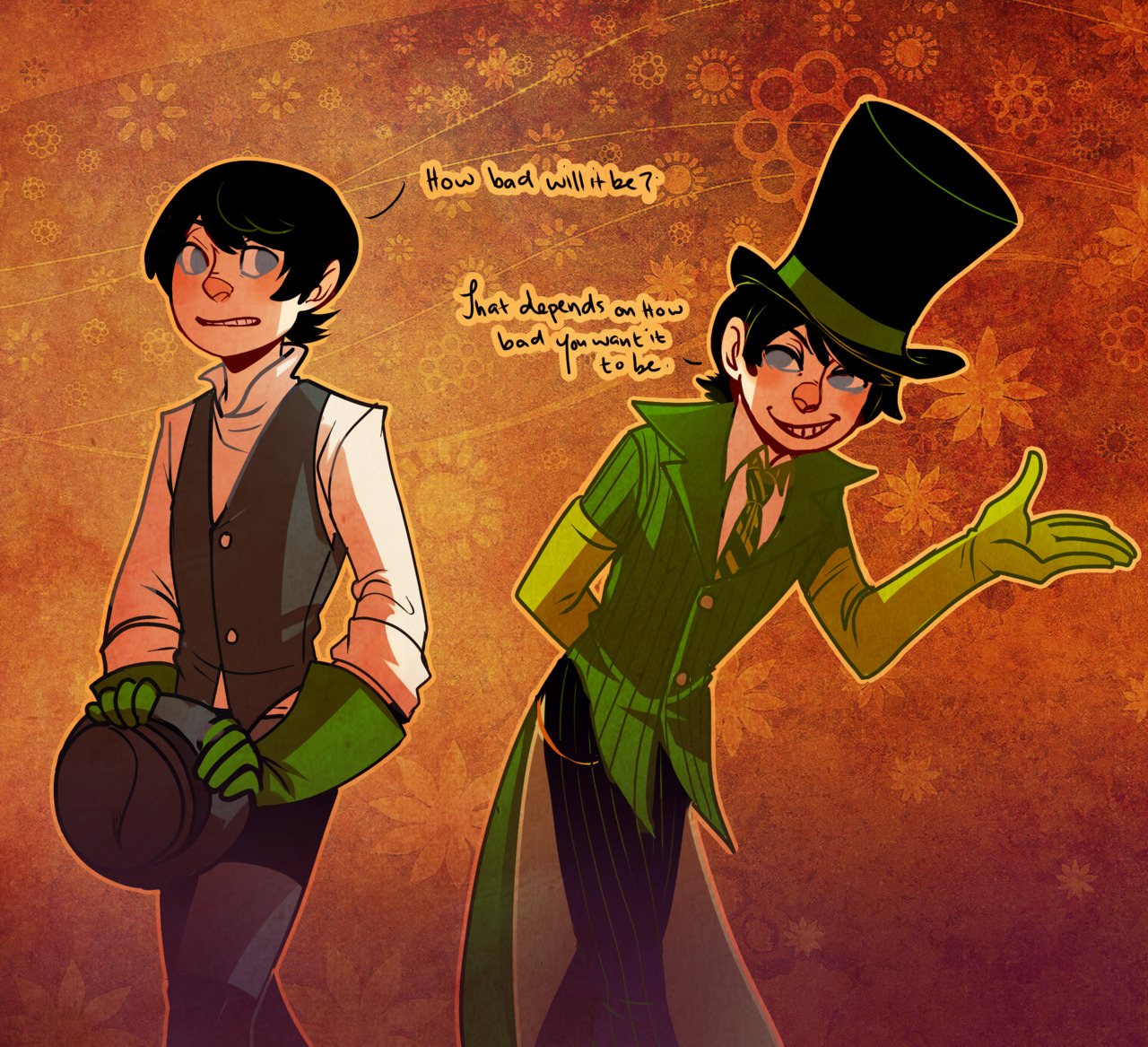
If you close your eyes and think of the Once-ler, what do you see? For most people, it isn't the faceless green arms from Dr. Seuss’s original 1971 book. Instead, it’s a lanky, pale guy in a bright green suit with a guitar and a somewhat questionable moral compass.
Ed Helms is the man who played the Once-ler in the 2012 animated hit The Lorax.
It was a weird casting choice on paper, maybe. At the time, Helms was the king of the "lovable dork" archetype. He was Andy Bernard on The Office. He was the guy who lost a tooth in The Hangover. Putting him in a booth to voice a corporate villain who destroys an entire ecosystem felt like a pivot. But honestly? It worked. It worked so well that it accidentally spawned one of the most intense, bizarre internet fandoms in the history of the mid-2010s.
The Man Behind the Green Suit: Ed Helms’ Performance
Ed Helms didn't just show up and read lines. He had to carry the emotional weight of a character that, for the first time in Seuss history, we actually had to care about. In the original book and the 1972 TV special, the Once-ler is a shadowy figure. He's a cautionary tale. He’s barely a person.
In the 2012 film, Illumination Entertainment decided to give him a face. They gave him a backstory. They gave him a family that didn't love him enough, which is basically the recipe for every tragic villain ever.
Helms brings this frantic, desperate energy to the role. You can hear it in his voice during the song "How Bad Can I Be?" which, by the way, has hundreds of millions of views on YouTube. He starts off earnest. He wants to prove himself. By the end of the track, his voice is raspy, arrogant, and sharp. It’s a masterclass in vocal character development that often gets overlooked because it's a "kids' movie."
But let's be real. The movie changed the lore. By showing who played the Once-ler and giving that character a physical form, the studio opened a Pandora’s box of internet obsession.
Why Ed Helms Was Actually Perfect
Think about the character's arc. The Once-ler starts as an optimist. He’s a musician. He’s a dreamer. Ed Helms has that "earnest guy next door" quality in his DNA. If they had cast someone like Will Arnett or a typical "villain voice" actor, the betrayal of the Lorax wouldn't have hurt as much.
Because it was Helms—the guy we like!—we felt the sting of his greed.
He also did his own singing. That matters. The music in The Lorax was composed by John Powell, with lyrics by Cinco Paul. It’s catchy. It’s annoying. It’s perfect. Helms’ musical background (he’s a legit banjo player in real life) allowed him to nail the rhythm of a man who thinks he’s the hero of his own rock opera while the world burns around him.
The "Onceler" Fandom: A Strange Cultural Moment
We have to talk about Tumblr. We have to.
You cannot discuss who played the Once-ler without acknowledging the absolute chaos that happened on social media around 2012. For reasons that still baffle sociologists and internet historians, the "Greed-ler"—the version of the character at the height of his power—became a massive sex symbol.
Yes. The guy who chopped down all the trees.
People were drawing fan art. They were writing thousands of fan fictions. They even created "Ask Blogs" where they would roleplay as different versions of Ed Helms’ character. There was "Swag-ler," "Classic-ler," and "alt" versions. It was a self-sustaining ecosystem of content that had almost nothing to do with the environmental message of Dr. Seuss.
It’s a fascinating case study in how a voice actor’s performance can be divorced from the source material. Ed Helms played a villain who learns a lesson too late. The internet saw a "thirst trap" in a pinstripe suit.
The Other Voices
While Helms is the definitive face (and voice) of the character today, he wasn't the first.
- Bob Holt voiced the character in the 1972 animated special. His version was much more "Seussian"—gritty, older, and hidden in the shadows.
- In the various stage musical adaptations, different actors have stepped into the role, often using stilts or elaborate costumes to mimic the "Long-ler" proportions.
- For the 2012 film’s international releases, big stars in other countries took over. In the Italian version, for example, the character was voiced by Marco Mengoni.
Behind the Scenes: The Animation of a Villain
The animators at Illumination worked closely with Helms’ vocal tracks to get the expressions right. If you watch the "How Bad Can I Be?" sequence, notice the way the Once-ler moves. He’s rubbery. He’s lanky. He has these huge, expressive eyes that make you want to trust him right before he does something terrible.
Designing a character that people are supposed to dislike—but also relate to—is a tightrope walk.
The producers originally toyed with the idea of keeping him hidden, like in the book. But the story they wanted to tell was about temptation. You can’t show temptation if you don't show the person being tempted. They needed a human face to show the gradual shift from a kid with a guitar to a tycoon in a mansion.
Does the 2012 Version Hold Up?
Looking back from 2026, the movie feels weirdly prophetic.
The themes of corporate greed and environmental collapse are more relevant than ever. Ed Helms’ portrayal of a man who thinks he’s "just doing what’s natural" while destroying the planet feels less like a cartoon and more like a parody of modern tech CEOs.
Critics at the time were split. Some felt the movie was too loud, too flashy, and buried the simple message of the book. Others praised the energy and the updated visuals. But regardless of the reviews, the character of the Once-ler became a permanent fixture in pop culture.
The "Thneed" became a meme. The "Unless" quote became a tattoo staple. And Ed Helms became the definitive answer to the question of who brought this complex, selfish, and ultimately regretful character to life.
The Legacy of the Voice
Helms has talked about the role in various interviews over the years. He’s always seemed a bit surprised by how much staying power the movie has had. Most actors do a voice role, cash the check, and move on. But The Lorax has a "second life" every few years when a new generation discovers it on streaming.
It’s one of those roles that defines a career in a way the actor never expected.
Final Thoughts on the Once-ler’s Identity
So, who played the Once-ler? Ed Helms gave him a soul. Bob Holt gave him his start. The internet gave him a bizarre, immortal afterlife.
If you’re looking to dive deeper into the world of Seuss or the career of Ed Helms, here are the best ways to experience this character’s evolution:
- Watch the 1972 Special: It’s only 25 minutes long. It’s darker, quieter, and much closer to the original book’s tone. It’s a great palate cleanser if you’ve only seen the 2012 version.
- Listen to the Soundtrack: Specifically the tracks "Everybody Needs a Thneed" and "How Bad Can I Be?" You can hear the exact moment the character’s ego takes over.
- Read the Book: Go back to the source. Look at how Dr. Seuss used those green, furry arms to represent greed without ever needing to show a human face.
- Compare the "Onceler" Archetypes: Look at other Seuss villains, like the Grinch. Notice how the Once-ler is the only one who doesn't get a "magical" redemption—he has to live with his failure for decades before Ted comes along.
The Once-ler isn't just a character; he’s a warning. Whether he’s a faceless shadow or a man in a green suit played by a famous comedian, the message stays the same: "Unless someone like you cares a whole awful lot, nothing is going to get better. It's not."