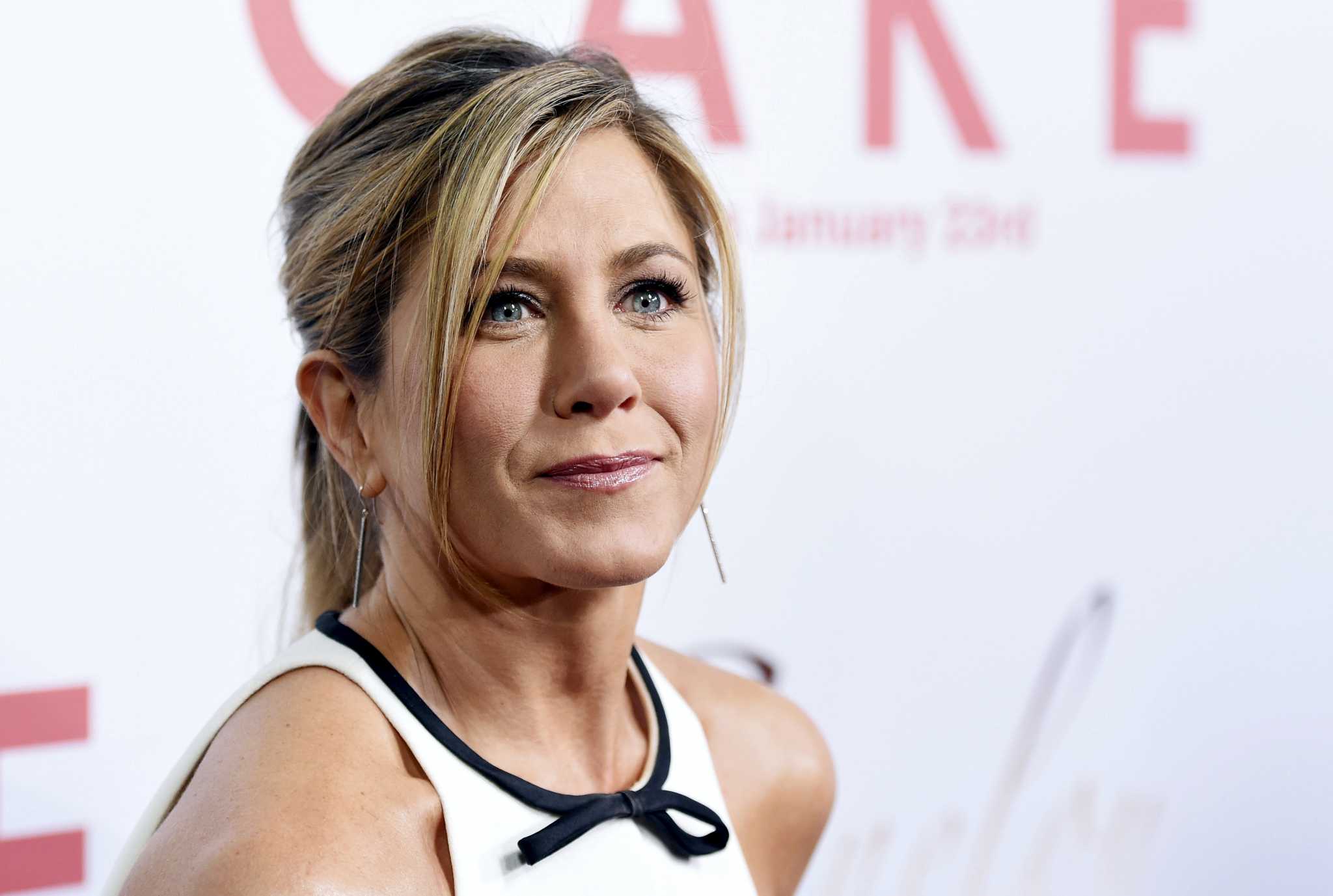
If you’ve spent any time following the life of Jennifer Aniston, you probably know her as the girl-next-door who conquered Hollywood. But behind the "Friends" fame and the red carpet glamour, there was a deeply fractured relationship that spanned decades. People often ask who was Jennifer Aniston’s mother because the tension between them wasn't just a tabloid rumor; it was a central, painful part of Jennifer's personal history.
Nancy Dow was an actress and model, though she never reached the stratospheric heights her daughter eventually would. Born in Connecticut in 1936, Nancy was known for her striking, classic beauty. Honestly, when you look at old photos of her, the family resemblance is undeniable. She had that sharp, refined look that was highly sought after in the 1950s and 60s. She worked on shows like The Beverly Hillbillies and The Wild Wild West, but her career was largely overshadowed by her domestic life and, later, the massive celebrity of her daughter.
The Woman Behind the Name: Nancy Dow
To understand Nancy Dow, you have to look at the environment she created. She was, by all accounts, a perfectionist. Jennifer has spoken candidly about how Nancy was "stunning, stunning" and how that physical beauty created a sort of barrier. Imagine being a young girl trying to find your footing while your mother is constantly critiquing your appearance. It wasn't just about being pretty; it was about being perfect.
Nancy married John Aniston (born Yannis Anastassakis) in 1965. John, famous for his long-running role on Days of Our Lives, was her second husband. They had Jennifer in 1969, but the marriage didn't last. When Jennifer was nine, John walked out. That moment changed everything. It left Nancy as a single mother in Los Angeles, grappling with her own faded acting dreams while raising a daughter who was, in many ways, her opposite in temperament.
A House of High Expectations
The household was reportedly tense. Jennifer often describes her mother as having a "temper" and being "unforgiving." If Jennifer wasn't the "model child" Nancy envisioned, there was hell to pay. It wasn't physical abuse, but rather a relentless emotional grinding. Nancy was a "critic," Jennifer told The Hollywood Reporter back in 2015. She was critical of Jennifer's looks, her weight, and her general vibe.
Think about it. You’re a teenager in the 80s, trying to fit in, and your mother—who was once a professional beauty—is picking apart your eyeliner or your silhouette. That kind of stuff sticks. It creates a rift that doesn't just go away with a simple "I'm sorry."
The 1999 Falling Out: When Things Got Public
For years, the tension was private. Then came 1999. Jennifer was at the peak of Friends mania. She was dating Brad Pitt. She was the most famous woman on television. And that’s when Nancy Dow did the unthinkable in the world of celebrity families: she wrote a "tell-all" book.
The book was titled From Mother and Daughter to Friends: A Memoir.
The title sounds sweet, right? It wasn't.
Inside, Nancy spilled details about Jennifer’s life that Jennifer had never intended to be public. It felt like a betrayal of the highest order. Jennifer didn't just get mad; she cut Nancy out of her life entirely. She didn't invite her mother to her wedding to Brad Pitt in 2000. For nearly a decade, they basically didn't speak. It was radio silence.
The Long Road to Reconciliation
It’s easy to judge from the outside. People called Jennifer "cold" or Nancy "fame-hungry." But the truth is usually muddier. Nancy was likely trying to reclaim her own identity in the shadow of her daughter's massive success. That doesn't make it right, but it makes it human.
They didn't stay estranged forever. The 2005 divorce from Brad Pitt was a catalyst. When your world falls apart, you sometimes look for the person who knew you before you were famous. They started talking again, albeit slowly. Jennifer has said that the reconciliation was "gradual." It wasn't a movie moment where they hugged and all was forgiven. It was more like a series of polite check-ins that eventually led to a functional relationship.
The Later Years and Nancy's Passing
Nancy Dow’s health began to decline in the 2010s. She suffered a series of strokes that robbed her of her mobility and her ability to speak clearly. It’s a cruel irony for a woman who had been so focused on presentation and communication.
Jennifer was there toward the end. Despite the years of resentment and the "tell-all" betrayal, she stepped up as a daughter. Nancy passed away on May 25, 2016, at the age of 79. Jennifer released a brief statement asking for privacy, noting that her mother passed away peacefully surrounded by family and friends.
What We Can Learn from Their Story
The saga of who was Jennifer Aniston’s mother isn't just a piece of Hollywood trivia. It’s a case study in generational trauma and the difficulty of forgiving a parent who wanted you to be someone you weren't.
Jennifer eventually used her experiences with Nancy to fuel her work. If you’ve seen the Netflix film Dumplin', you’ve seen a version of this dynamic. Jennifer played the former pageant queen mother who can’t understand her plus-size daughter. She admitted in interviews that the role felt incredibly familiar. It was her way of processing the ghost of Nancy Dow.
Real-World Takeaways for Family Conflict
If you find yourself in a similar dynamic—feeling judged or betrayed by a parent—there are a few things Jennifer’s journey teaches us about navigating these waters:
- Boundaries are not "mean." Cutting off contact for a while wasn't an act of cruelty; it was an act of self-preservation for Jennifer. Sometimes you need distance to grow into yourself without someone else's voice in your head.
- Forgiveness is for you, not them. Jennifer eventually reached a place of peace, not because Nancy changed, but because Jennifer decided she didn't want to carry the anger anymore.
- Success doesn't fix trauma. You can be the most successful person in the world and still feel like a "clumsy" kid if that's what your parents told you.
- Acknowledging the "why" helps. Jennifer later realized that Nancy’s behavior came from her own insecurities and the era she grew up in—an era that valued women almost exclusively for their aesthetic.
Nancy Dow was a complicated woman. She was more than just "Jennifer Aniston's mother." She was an actress, a survivor of a broken marriage, and a woman who struggled to connect with a daughter who eclipsed her. Understanding her helps us understand the resilience Jennifer Aniston has shown throughout her career.
If you are dealing with a difficult parental relationship, start by identifying your non-negotiables. Whether it's a specific topic (like your weight or career) or a specific behavior (like gossiping), setting a hard line is the first step toward a healthier dynamic. You don't owe anyone—even a parent—access to your life if they use that access to hurt you. Look at the long-term arc of Jennifer's life: she chose herself first, and that's ultimately what allowed her to find peace with her mother in the end.