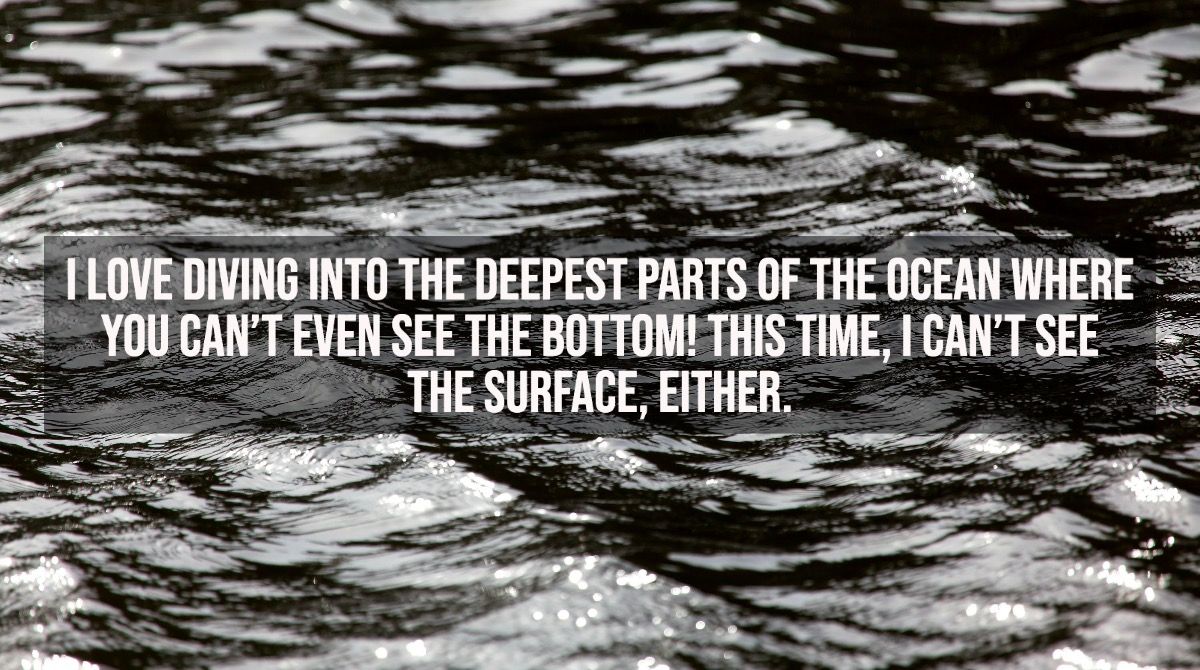
Fear is weird. It doesn't always need a 400-page novel or a two-hour jump-scare fest to make your skin crawl. Honestly, some of the most unsettling stuff I’ve ever read fits into the space of a single breath. We're talking about the micro-fiction phenomenon. Specifically, the enduring grip of 20 two sentence horror stories that have circulated through the darker corners of Reddit’s r/TwoSentenceHorror and old-school creepypasta forums for years.
There’s a specific science to why these work. It’s called "filling in the blanks." Your brain is actually way more sadistic than any writer could be. When a story gives you a beginning and a jarring end, your imagination rushes to bridge that gap with the most terrifying imagery possible.
The Anatomy of a Micro-Scream
Micro-fiction isn't just about being short. It’s about the "turn." The first sentence sets a mundane or slightly off-kilter scene. The second sentence yanks the rug out from under you. It’s a cognitive dissonance that triggers a physical chill. People love these because they are digestible. You can read them on a subway or while waiting for coffee, but the image stays with you all day.
Let's look at some of the heavy hitters. These aren't just random sentences; they are the pillars of the genre that have defined how we consume horror in the digital age.
The Classics: 20 Two Sentence Horror Stories That Stick
I’ve gathered some of the most effective examples that showcase different tropes—from the "intruder" to the "uncanny valley."
1. The Bedtime Ritual
My daughter won’t stop crying and screaming in the middle of the night. I visit her grave and ask her to stop, but it doesn't help.
2. The Reflection
I saw my reflection blink. I’m sitting in a room with no mirrors.
3. The Baby Monitor
The baby monitor crackled with the sound of a soft lullaby being hummed. I checked the screen and saw a shadow leaning over the crib, but my wife was downstairs making dinner.
4. The Hidden Guest
I can't move, breathe, or speak, but it's always so cold in here. If I had known this was what cremation felt like, I would have asked for a burial.
5. The Text Message
I got a "Goodnight" text from my mom. Her funeral was three hours ago.
6. The Closet
My son told me there was a man in his closet. I laughed until I realized the "man" was actually my son, and the boy in the bed was something else entirely.
7. The Window
There's a face peering at me through the glass of my second-story bedroom. I live alone, and there are no ladders outside.
8. The Ultrasound
The doctor told me the ultrasound looked great. I didn't have the heart to tell him I felt teeth biting me from the inside.
9. The Photo
I found a photo on my phone of me sleeping. I live alone.
10. The Woods
Growing up with cats and dogs, I got used to the sound of scratching at my door while I slept. Now that I live alone, the sound is much more unsettling.
11. The Basement
My sister says that Mommy killed her. Mommy says that I don’t have a sister.
12. The Midnight Snack
I woke up to the sound of someone eating in the kitchen. I remembered I’d finished the last of the leftovers before bed, and the crunching sound was coming from under my bed instead.
13. The Stairwell
I heard my mom call my name from the kitchen downstairs. As I headed down, she pulled me into her bedroom and whispered, "Don't go down there, I heard it too."
14. The Mannequin
I work as a night guard at the wax museum. Every morning, the figures are an inch closer to the exit.
15. The Smile
The girl in the hallway had the most beautiful smile. It took me a second to realize her lips weren't moving, and the "smile" was a jagged slit across her throat.
16. The Dog
My dog usually barks at strangers. Today, he just sat at the foot of my bed and stared at the empty corner behind me, whimpering.
17. The Elevator
The elevator doors opened to a pitch-black floor. A hand reached out and pressed the button for the basement, but no one was standing there.
18. The Reflection (Part 2)
I was brushing my teeth when I noticed my reflection didn't have a toothbrush. It was just standing there, watching me.
19. The Attic
We heard thumping in the attic for weeks and assumed it was squirrels. When the ceiling finally caved in, a malnourished man fell out holding a lock of my hair.
20. The Last Man
The last man on Earth sat alone in a room. There was a knock on the door.
Why Our Brains Crave This Stuff
You might wonder why we voluntarily subject ourselves to these tiny jolts of adrenaline. It’s basically a safe way to experience a "threat." Dr. Margee Kerr, a sociologist who studies fear, notes that when we know we are safe—like when we're just reading a screen—the "high" from the fight-or-flight response can actually be pleasurable. It’s a controlled thrill.
The brevity of these 20 two sentence horror stories is their greatest strength. In a world of shortening attention spans, these stories are the "TikToks" of literature. They provide an immediate payoff. No fluff. No three-chapter character arcs. Just pure, distilled dread.
The Psychology of the "Twist"
Most of these stories rely on something called "schema disruption." We have a mental framework (a schema) for how the world works. Mothers are comforting. Mirrors reflect us accurately. Closets are for clothes. When a story breaks that schema in the second sentence, it creates a "glitch" in our sense of reality.
Take the "Stairwell" story (Number 13). It plays on the most basic human trust—the voice of a parent. By introducing two versions of the same person, the writer creates an impossible paradox. Which one is real? The uncertainty is actually scarier than the monster itself.
Common Pitfalls in Micro-Fiction
Writing these is harder than it looks. A lot of people fail because they try to be too descriptive. If you use ten adjectives to describe a monster, you've already lost. The best stories use "functional" language.
Another mistake? Relying too much on gore. Blood isn't scary in text; it’s messy. Fear comes from the implication of what happens next. The story about the man in the attic (Number 19) is terrifying not because of the fall, but because of the "lock of hair." It implies a long-term, intimate violation of safety that the reader has to process.
How to Write Your Own Viral Horror
If you're looking to contribute to the next wave of 20 two sentence horror stories, you need to think about your "hook" and your "pivot."
- Start with the Mundane: Think about things you do every day. Brushing teeth, checking the mail, tucking in kids.
- Identify the Fear: What’s the worst-case scenario for that action?
- The Pivot: Reveal that the mundane reality is a lie.
Don't overthink it. Most of the legendary stories on the internet weren't written by professionals; they were written by people who had a creepy thought at 2:00 AM and posted it.
The Evolution of the Genre
We've moved past the "Hook Hand" urban legends of the 80s. Today’s horror is more psychological. It’s about identity theft, domestic rot, and the feeling that technology is watching us. Notice how many of these stories involve phones or baby monitors? We’ve traded ghosts in the graveyard for ghosts in the machine.
This shift reflects our modern anxieties. We aren't as afraid of the dark woods anymore because we have GPS and flashlights. We’re afraid of what’s inside our own homes, behind the "smart" devices we’ve invited in.
Moving Forward with Micro-Horror
If you’ve enjoyed these 20 two sentence horror stories, the next step is to explore longer-form "creepypastas" or "NoSleep" stories that expand on these themes. Many famous horror films, like Lights Out, actually started as short, simple concepts that focused on one terrifying visual or "rule" of the universe.
To dive deeper, you should:
- Analyze your reaction: Which story made you look behind you? That’s your personal "horror trigger."
- Practice the pivot: Try writing three stories today. Keep the first sentence under 15 words and the second sentence even shorter.
- Explore the community: Check out the top-rated posts of all time on r/TwoSentenceHorror to see how the genre is evolving in real-time.
The most important thing to remember is that horror is subjective. What keeps one person awake might seem silly to another. But when you find that perfect combination of words—the ones that make the hair on your arms stand up—you’ve tapped into something primal. Keep exploring the dark. Just maybe leave the lights on while you do it.