Emma Harte didn't just walk into a boardroom; she built the whole damn building. If you've ever picked up A Woman of Substance novel by Barbara Taylor Bradford, you know exactly what I’m talking about. It’s not just a book. Honestly, it’s a blueprint for the "girlboss" archetype before that term became a cringe-worthy Instagram hashtag. It’s long. It’s thick. It’s dense with the scent of Yorkshire moors and expensive department stores. And for some reason, even in 2026, people are still obsessed with it.
Why?
Because Emma Harte is the ultimate underdog. We meet her as a servant girl, pregnant and disgraced, and we watch her turn that trauma into a literal empire. It’s a revenge story, but the kind where the revenge is just living incredibly well and owning everything your enemies ever loved.
The Reality of Emma Harte’s Rise
Let’s get one thing straight: this isn't some fluffy romance. When people talk about A Woman of Substance novel, they sometimes mistake it for a typical "bodice ripper" because of the era it came out. Big mistake. Huge. Barbara Taylor Bradford was writing about retail logistics, real estate acquisition, and the brutal cost of ambition in a world that hated powerful women.
Emma starts at Fairley Hall. It’s grim. The Fairley family represents everything stagnant about the old British class system. They’re cruel, entitled, and—let’s be real—kind of stupid. When Emma is betrayed by Edwin Fairley, she doesn't just cry. She leaves. She walks. She survives.
She heads to Leeds.
Think about the grit required for a woman alone in the early 1900s to start a small shop. Bradford doesn't skip the boring parts. She shows us the inventory. She shows us the late nights. Emma’s climb from a tiny corner shop to the Harte Enterprises conglomerate is satisfying because it feels earned. It’s not magic; it’s math and manipulation.
Breaking Down the Bradford Formula
Bradford did something specific here. She mixed the "dynasty" trope with genuine historical shifts. We see World War I. We see the changing roles of women. We see the transition from local trade to international commerce.
One thing that surprises modern readers is how cold Emma can be. She’s not always likable. She’s a "Woman of Substance," sure, but that substance is often forged in ice. She’s a mother who struggles to connect with her children because she’s too busy protecting the "Wall of Steel" she built around her life. That nuance is why the book sticks. It acknowledges that you can’t have it all without losing a piece of yourself along the way.
Why Does A Woman of Substance Novel Rank So High on All-Time Lists?
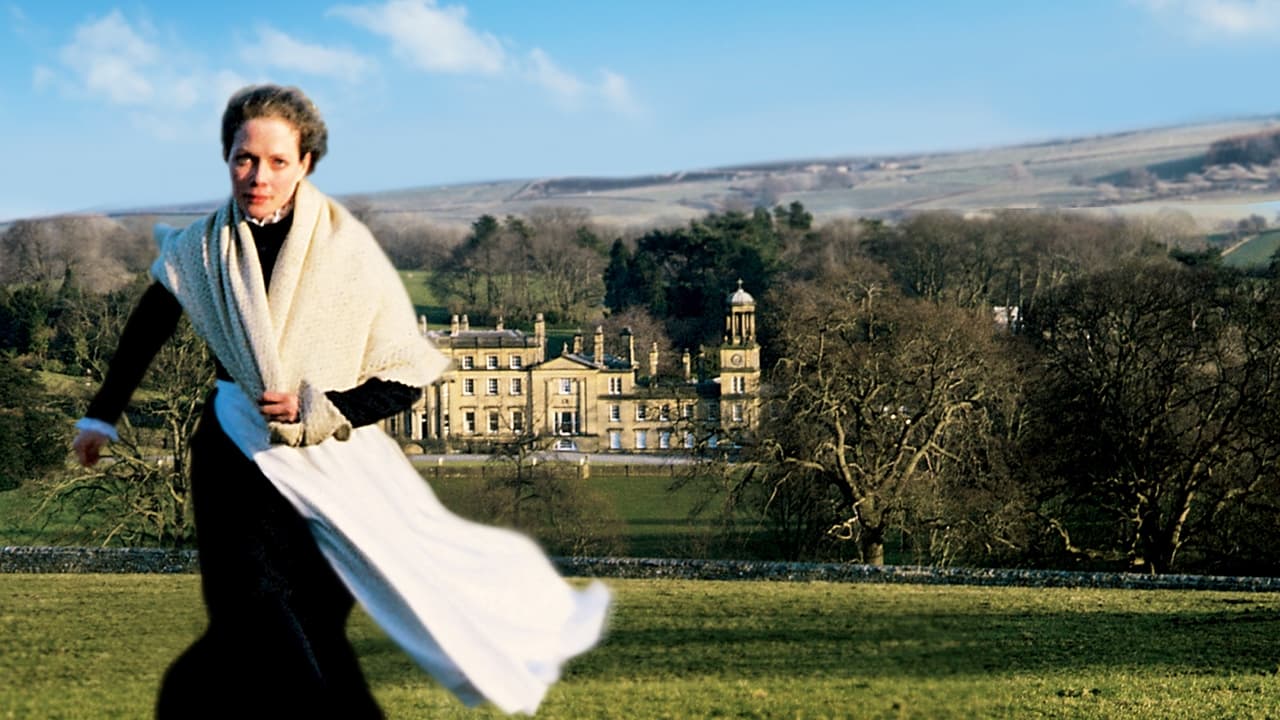
Sales figures don't lie. We’re talking over 30 million copies. That’s not just a "hit"; that’s a cultural phenomenon. When the miniseries came out in 1984 starring Jenny Seagrove and Deborah Kerr, it basically broke television.
People crave the "rags to riches" arc, but they want it with stakes. In A Woman of Substance novel, the stakes are Emma’s dignity. If she fails, she goes back to being a servant. If she wins, she dictates the terms of her own life. That’s a universal itch.
I think the appeal also lies in the specific Britishness of it all. There’s a texture to the Yorkshire descriptions—the heather, the cold wind, the soot of the industrial north—that makes the luxury of her later life feel more vibrant. You can almost smell the expensive perfume and the old money as the pages turn.
The Misconceptions About the Sequel Trap
Look, Bradford wrote several more books in this series. Hold the Dream, To Be the Best, and so on. Some people say they’re just as good.
They aren't.
They’re fine, but they lack the raw, desperate hunger of the first book. The original A Woman of Substance novel is where the lightning is trapped in the bottle. The sequels focus on the grandchildren—Paula McGill Fairley and the rest—who are born into wealth. It’s a different vibe. It’s "Succession" without the biting wit. If you’re going to read one, make it the 1979 original. The struggle is the point.
What Most People Get Wrong About the Ending
People remember the ending as a triumph. And it is, physically. Emma is at the top of her mountain. But if you read closely, there’s a deep melancholy there. She’s 80 years old. She’s looking at her family and realizing that half of them are vultures waiting for her to kick the bucket.
It’s a cautionary tale about legacy.
Emma built a world to keep herself safe, but in doing so, she created a cage for her descendants. They can’t live up to her. They’ll never have her "substance" because they never had her poverty. It’s a brilliant, if unintended, commentary on generational wealth.
How to Approach Reading It Today
If you’re diving into A Woman of Substance novel for the first time, don't rush. It’s a marathon. It’s over 800 pages in most editions.
- Ignore the first few chapters' pacing. It starts with an old Emma and then flashes back. Stick with it until she gets to Leeds. That’s where the engine starts.
- Pay attention to the business deals. Seriously. Bradford’s husband was a film producer, and she understood the mechanics of power. The way Emma outmaneuvers the Fairleys is more exciting than any of the romance subplots.
- Watch for Blackie O’Neill. He’s the best character in the book. Their platonic (mostly) partnership is the emotional spine of the story. It’s a rare depiction of a male-female friendship that isn't just about sex, but about mutual survival.
The book is a product of its time in some ways—its views on class and certain social dynamics are firmly rooted in the 70s looking back at the 1910s. But the core? The core is about a woman refusing to be a footnote in someone else's story.
Actionable Steps for the Aspiring Reader or Collector
If you want to experience the Harte legacy properly, start with the 1979 hardcover if you can find it. There’s something about the weight of that specific edition that matches the weight of the story.
- Read the 1979 original first. Skip the "prequels" written later by her family or ghostwriters. They lack the original grit.
- Watch the 1984 miniseries. It’s on various streaming platforms (and often on YouTube in questionable quality). It’s 80s cheese at its finest, but the casting of Emma is spot-on.
- Track the "Grandmother" Archetype. After reading, you’ll start seeing Emma Harte’s influence in every "strong female lead" in historical fiction. It’s a fun exercise in literary genealogy.
- Visit the Yorkshire Dales. If you’re ever in the UK, go to the areas around Ripon and Thirsk. You’ll see exactly why Emma wanted to own the land she used to scrub.
Emma Harte proved that you could be a "Woman of Substance" without having a dime to your name, as long as you had the spine to back it up. That lesson doesn't age, and neither does this book.