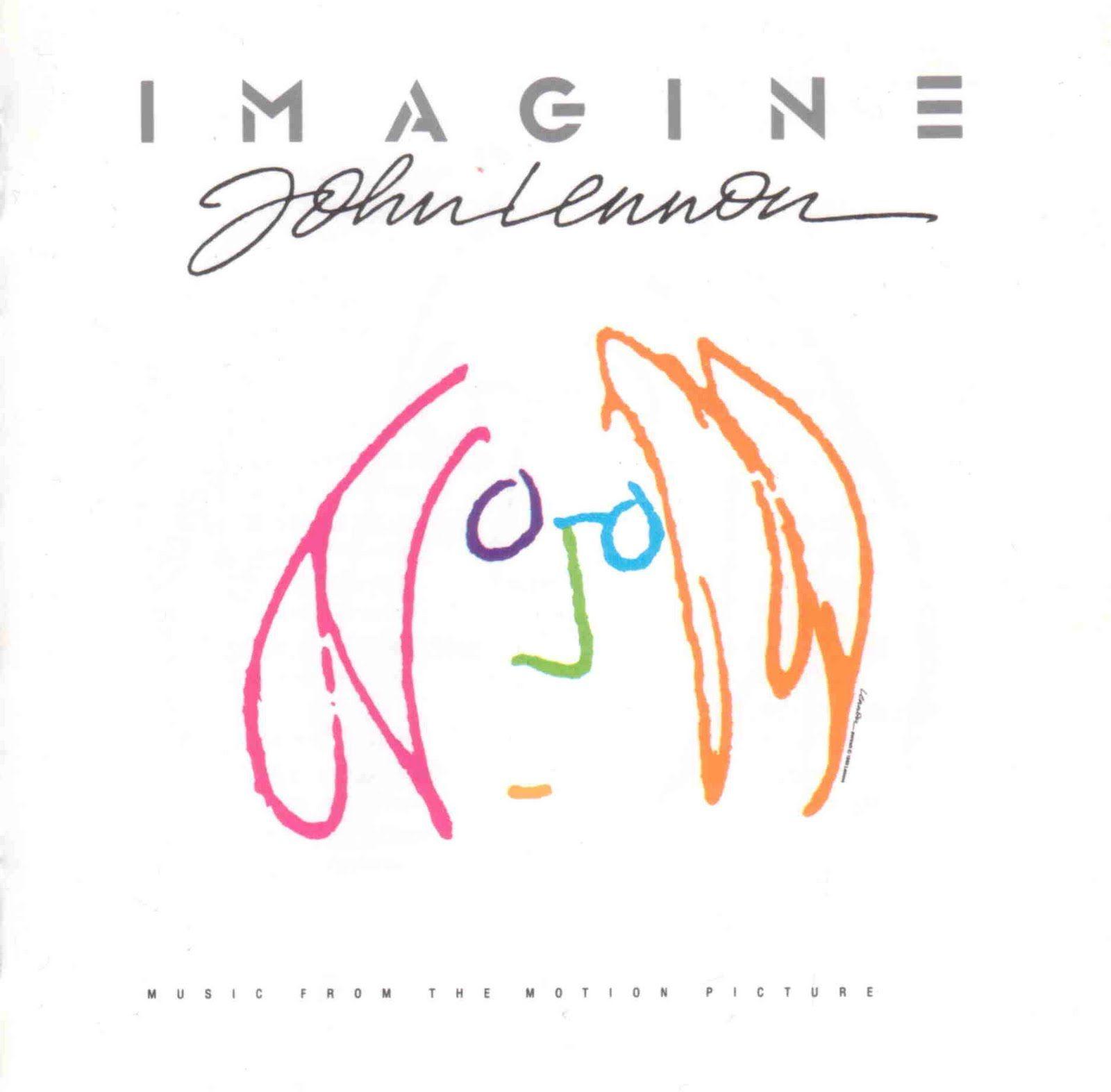
It’s a trap. Honestly, that is the only way to describe it. When an artist decides to record an Imagine John Lennon cover, they are stepping into a minefield of cultural expectations, political baggage, and musical simplicity that is deceptively difficult to master. You’ve heard it at Olympics opening ceremonies. You’ve heard it at high school graduations. You’ve definitely heard it during every global crisis since 1971.
The problem? Most people get it wrong.
They treat it like a lullaby. They make it pretty. They lean into the "peace and love" aesthetic so hard that they forget the song was actually inspired by Yoko Ono’s Grapefruit and was described by Lennon himself as "virtually the Communist Manifesto." It’s not a soft song. It’s a radical one. When a singer tries to cover it and strips away that underlying tension, the whole thing falls flat. It becomes elevator music for the soul.
The Problem With the "Pretty" Imagine John Lennon Cover
Most covers fail because they are too reverent. You know the ones—the breathy vocals, the swelling orchestral strings, the dramatic pauses. They treat the song like a museum piece.
But look at the original 1971 recording. It’s surprisingly sparse. You have John on the piano, Klaus Voormann on bass, and Alan White on drums. It’s "dry." There isn't a ton of reverb. It feels like a guy sitting in a room talking to you. When modern artists add a gospel choir or a 40-piece orchestra, they lose the intimacy that makes the lyrics actually hit.
Take the infamous 2020 "Gal Gadot and Friends" video. It became a meme for a reason. Beyond the "celebrities in mansions" irony, the vocal performances were disjointed. It lacked a cohesive emotional core. It felt like a performance of a performance. This is the danger of the Imagine John Lennon cover: it’s so famous that people stop thinking about what the words mean and start thinking about how "important" they look while singing it.
A Few Times People Actually Nailed It
It’s not all bad news, though. A few artists have managed to peel back the layers and do something interesting.
- A Perfect Circle: This is probably the most famous "dark" version. Maynard James Keenan took the major key hopefulness and flipped it into a minor key dirge. It sounds like a warning. Instead of "Imagine there's no heaven" sounding like a dream, it sounds like a bleak reality. It’s uncomfortable, which is exactly why it works.
- Ray Charles: If you want soul, you go to the source. Ray didn't just sing the notes; he reinterpreted the rhythm. He made it swing just enough to take away the "hymn" quality and turn it into a living, breathing blues-adjacent track.
- Chris Cornell: His live acoustic version is a masterclass in vocal dynamics. He doesn't over-sing. He lets the rasp in his voice carry the weight of the lyrics. It feels weary. It feels like someone who wants to believe in the dream but has seen enough of the world to know how hard it is.
Why the Piano Part Ruins Everyone
The piano riff is iconic. Everyone knows those C to Cmaj7 to F chords. It’s the first thing any kid learns when they want to sound deep on a keyboard.
But here’s the thing: Lennon’s playing has a specific "clunky" charm. He wasn't a virtuoso pianist. He played with a certain rhythmic stiffness that gave the song its heartbeat. When professional session players or concert pianists try to play an Imagine John Lennon cover, they often play it too well. They add flourishes. They use the sustain pedal too much. They make it "flow."
Lennon’s original doesn't really flow; it marches.
If you're an artist looking to cover this, the best advice is often to get away from the piano entirely. Or, at the very least, stop playing it exactly like the record. If you can't bring a new perspective to that specific C-F progression, you're just doing karaoke.
The Lyrics That People Sorta Ignore
"Imagine no possessions / I wonder if you can."
Lennon was a millionaire living in Tittenhurst Park when he wrote that. He knew the irony. He acknowledged it. When a billionaire or a massive pop star sings those lines today without a hint of self-awareness, it grates on the listener. The best covers are the ones where the artist feels like they are struggling with the concept alongside the audience, rather than preaching it down to them.
Technical Pitfalls and Vocal Choices
Singing "Imagine" is a vocal trap because the range isn't actually that wide, but the phrasing is everything.
- Don't over-embellish. This isn't the song for melisma. If you're doing runs like you're on American Idol, you've already lost the plot.
- Watch the "Ooooh." The bridge ("You may say I'm a dreamer") is where most covers go to die. People try to make it a "big moment." In reality, it should be the most vulnerable part of the song.
- The Tempo. People slow this song down way too much. The original is around 75 BPM. If you drop it to 60, it becomes a slog. It loses its conversational quality and becomes a dirge.
The Cultural Weight of the Song in 2026
We are living in an era where "Imagine" is almost a brand. It’s played at every memorial and every peace rally. Because of that, the song has lost some of its teeth. It’s become "safe."
But the lyrics aren't safe. "No religion too." "Imagine there's no countries." These are still radical, divisive ideas in many parts of the world. A truly great Imagine John Lennon cover should feel a little bit dangerous. It should make you think about the world actually changing, not just make you feel warm and fuzzy for three minutes.
If you look at Lady Gaga’s performance at the 2015 European Games, you see a version that tries to bridge that gap. She’s alone at a piano covered in flowers, but she hits the keys with a certain violence. She’s shouting the lyrics by the end. It’s not "pretty." It’s a demand. That is the energy most covers are missing.
What to Look for in a Great Version
If you’re scouring YouTube or Spotify for a version that actually hits, look for these traits:
- Minimalism: The less clutter, the better.
- Vocal Grit: Perfection is the enemy of this song.
- Reinterpretation: If they changed the time signature or the key, they’re at least trying to say something new.
- Emotional Honesty: Do you believe they actually want the world they're singing about?
Actionable Steps for Musicians and Fans
If you are planning to record or perform your own Imagine John Lennon cover, or if you're a curator building a playlist, here is how to handle this monumental track with the respect it deserves.
For Musicians:
- Change the Instrument: Try it on a cello. Try it on a dirty electric guitar. Try it a cappella with three-part harmony. Breaking the "piano association" is the fastest way to make the song yours.
- Focus on the Subtext: Read about the history of the song. Understand the influence of Yoko Ono’s conceptual art. If you understand that the song is an "invitation" rather than a "command," your delivery will change.
- Record Live: Don't over-edit the vocals. The imperfections are what make the listener believe you.
For Listeners and Curators:
- Seek Out International Versions: Some of the best covers of this song aren't in English. Hearing the message translated into different languages often restores the power of the lyrics that we’ve grown numb to in English.
- Compare and Contrast: Listen to the 1971 original, then listen to the David Bowie live version from 1983 (recorded right after John's death), then listen to the Eva Cassidy version. Notice how the context of the singer’s life changes the meaning of the words.
Ultimately, "Imagine" isn't a song that belongs in a glass case. It was meant to be used, sung, and adapted. But to do it right, you have to be willing to get your hands dirty and move past the "peace and love" clichés. It’s a song about the end of the world as we know it, and that should sound at least a little bit revolutionary.