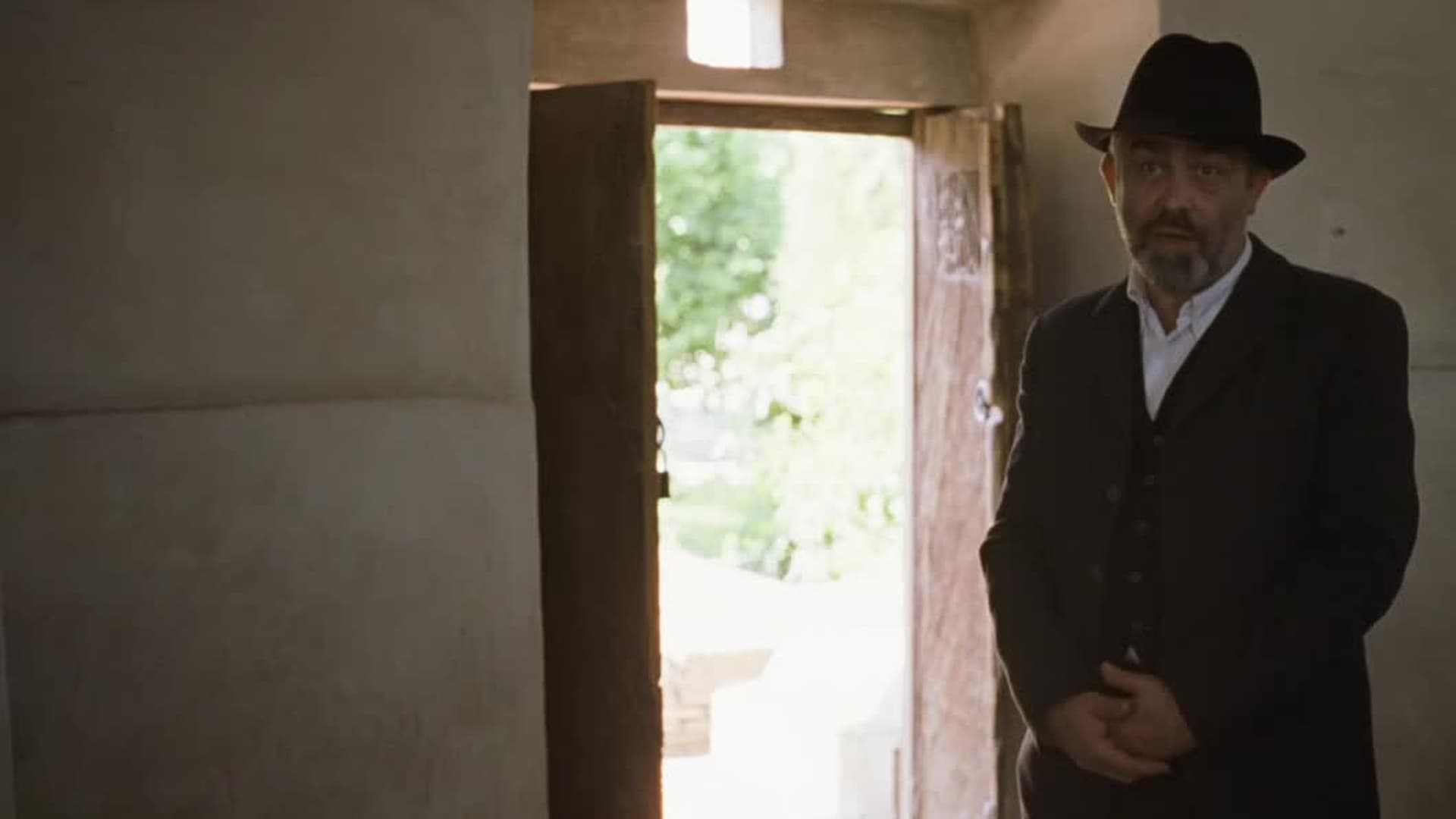
If you think you’ve seen every "man against nature" movie, you’re probably wrong. Most people jump straight to The Revenant or Cast Away when they think of sheer human endurance, but they're missing out on a brutal piece of German cinema. As Far as My Feet Will Carry Me (or So weit die Füße tragen) is a 2001 film that makes Leo DiCaprio’s struggle with a bear look like a weekend camping trip. It tells the story of Clemens Forell, a German soldier who escapes a Soviet gulag in the far reaches of Siberia.
He walks home. To Germany.
It’s almost 9,000 miles.
The movie is a remake of a 1959 TV series, based on the 1955 book by Josef Martin Bauer. Now, honestly, there’s a bit of a historical "wait a minute" here. While the film presents this as a factual account of Forell’s journey, historians have spent decades poking holes in the story. They argue it might be more of a "tall tale" or a composite of various escapee experiences. But whether every single mile was documented or not, the film captures a specific, haunting kind of desperation that feels entirely real.
The Absolute Brutality of the Siberian Setting
Most survival films focus on one specific threat—a shark, a storm, or a mountain. As Far as My Feet Will Carry Me treats the entire continent of Asia as the antagonist. Director Hardy Martins doesn't go for flashy cinematography. Instead, he focuses on the sheer, monotonous misery of the tundra. You see Forell, played by Bernhard Bettermann, slowly losing his mind and his body to the cold.
Siberia isn't just a backdrop; it's a character that wants him dead.
The escape from the Cape Dezhnev lead mines is claustrophobic and grim. When he finally gets out, he realizes he isn't free. He's just moved from a small cage to a massive one made of ice. The sheer scale of the landscape is enough to make any sane person just sit down and wait for the end. Forell doesn't. He keeps moving, mostly because the alternative is a slow death in a hole in the ground.
One thing the film gets incredibly right is the pacing of exhaustion. You’ve seen movies where the hero gets a wound and it heals in the next scene. Not here. Forell’s physical decay is a slow burn. His teeth loosen. His skin turns into a map of frostbite. It’s hard to watch, but it’s the reason the film sticks with you. It’s about the stubbornness of the human spirit when it's stripped of everything—identity, warmth, and even hope.
Why the Historical Accuracy Controversy Matters (And Why It Doesn't)
If you're a history buff, you've probably heard the rumors that Clemens Forell wasn't actually "Clemens Forell." His real name was likely Cornelius Rost. After the book became a massive hit in the 50s, people started checking the Soviet records.
- The gulag at Cape Dezhnev didn't exist in the way it was described.
- The timeline of his return to Germany doesn't perfectly align with military records.
- Critics like Arthur Dittlmann have highlighted various geographical inconsistencies in the original narrative.
Does that ruin the movie? Not really. Think of it like Fargo or The Blair Witch Project—the "true story" label is a framing device that heightens the emotional stakes. Whether Rost/Forell walked 9,000 miles or "only" 1,000 miles through the Russian wilderness, the core truth is that thousands of prisoners of war faced this exact nightmare. The film stands as a tribute to that collective trauma.
The pursuit by Oberleutnant Kamenev (Anatoly Kotenyov) adds a layer of tension that makes it a proper thriller. Kamenev is the personification of the Soviet machine. He isn't necessarily evil; he's just obsessed with duty. This cat-and-mouse game stretches across years and thousands of miles. It’s almost surreal. At some point, you start to wonder if Kamenev even wants to catch him anymore, or if he just wants to see if the man can actually do it.
The Cultural Impact of German Post-War Cinema
For a long time, German films about World War II were—understandably—focused on the horrors of the Holocaust and the guilt of the nation. As Far as My Feet Will Carry Me belongs to a slightly different subset of films that look at the German soldier as a victim of the war's aftermath.
This is tricky territory.
The film manages to navigate it by making the story deeply personal. It’s not a political manifesto. It’s about a father wanting to see his daughter again. It’s about the sheer, animalistic drive to survive. By focusing on the survival aspect rather than the combat, it bypasses some of the more controversial aspects of German war history. You find yourself rooting for a Wehrmacht soldier, which is a testament to Bettermann's performance. He makes Forell a man first, and a soldier a distant second.
Technical Craftsmanship: Beyond the Frostbite
The production of this film was an ordeal in itself. They filmed in Russia and Belarus, and you can tell. The light is grey. The breath is real. There's no CGI-enhanced snow here. When you see the actors shivering, it’s because they are actually cold.
The sound design is another underrated element. The whistling wind is a constant presence. It’s the soundtrack of the entire middle hour of the film. It creates a sense of isolation that is almost physical for the viewer. You’ll want to reach for a blanket while watching this, even if it’s 90 degrees outside.
I should mention the supporting cast, too. As Forell travels south through Central Asia, he encounters indigenous tribes and various strangers. These interactions are some of the most moving parts of the film. They remind you that even in the most hostile environments and under the most oppressive regimes, basic human kindness still exists. A piece of bread or a warm coat from a stranger is more valuable than gold in the tundra. These moments provide the necessary "oxygen" in an otherwise suffocatingly tense movie.
Practical Insights for the Modern Viewer
If you’re planning on watching As Far as My Feet Will Carry Me, don't expect a fast-paced action flick. This is a marathon, not a sprint.
- Seek out the German version with subtitles. The English dubbing can sometimes strip away the raw emotion of the performances.
- Pay attention to the transition in landscapes. The shift from the white hell of Siberia to the more temperate but still dangerous regions of Persia is beautifully handled.
- Keep the historical context in mind. Knowing that this was a legendary story in 1950s Germany helps you understand why the film has such a reverent, almost mythic tone.
The movie ends with a confrontation that is surprisingly quiet. It doesn't go for the big, explosive finale you'd expect from a Hollywood production. Instead, it focuses on the internal change in Forell. He isn't the same man who left for the front years earlier. He’s a ghost that has somehow clawed its way back to the land of the living.
Actionable Next Steps for Fans of Survival Cinema
If this film leaves you wanting more stories of extreme human resilience, there are a few specific places you should look next.
Watch the 1959 TV Mini-Series: If you can find it, the original black-and-white German series So weit die Füße tragen is legendary. It was one of the first major "event" programs on German television and has a different, more theatrical energy than the 2001 film.
Read the Original Book by Josef Martin Bauer: The book goes into much more detail about the specific survival techniques and the long, agonizing periods of waiting that the film has to skim over. It’s a fascinating look at the "Forell" psychology.
Explore the "POW Return" Genre: Compare this with The Way Back (2010), directed by Peter Weir. It covers a similar escape from a Siberian gulag but focuses on a group rather than a lone individual. Seeing how different directors handle the "emptiness" of the landscape is a great lesson in film language.
Research the real Cornelius Rost: Dive into the archives to see the evidence gathered by researchers who debunked parts of the story. It turns out the "meta-story" of how this book was written—and how the author was coached by a man who might have been exaggerating his experiences—is just as interesting as the film itself.
This movie isn't just about walking. It's about the refusal to be erased. In a world that felt like it had no room for him, Forell made room by putting one foot in front of the other for three years. That’s the kind of story that doesn't need to be 100% historically accurate to be 100% true.