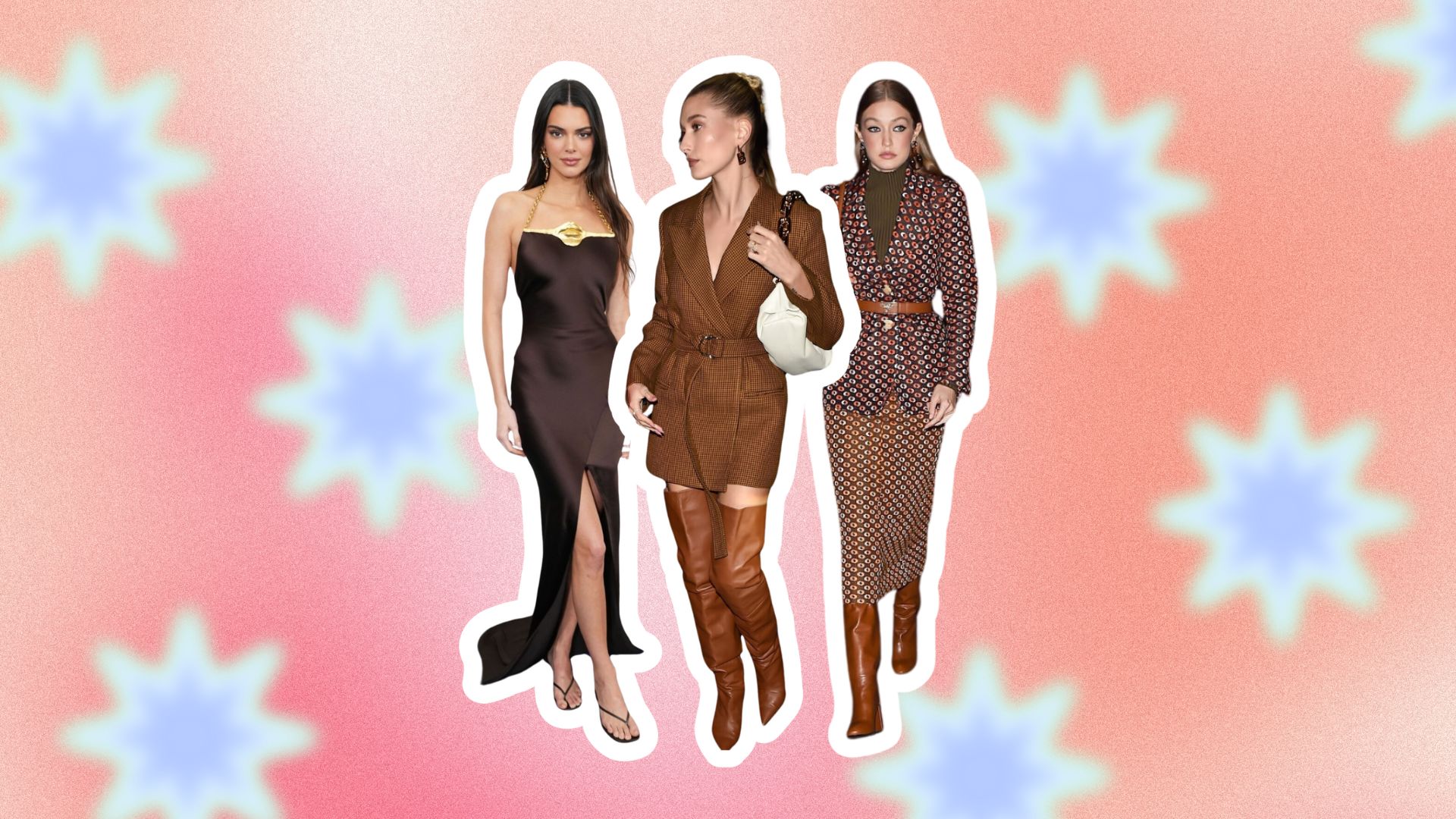
Black used to be the only answer. For years, if you wanted to look "expensive" or "put together," you reached for a black blazer or a little black dress. But honestly? Things have shifted. Look at the street style coming out of Copenhagen or the recent fall runways for Hermès and Saint Laurent. Brown is winning. It’s warmer. It's more forgiving on most skin tones. And frankly, brown outfits for women offer a level of depth that flat black just can't touch.
Brown isn't just one color. It’s a whole spectrum of mahoganies, chocolates, tans, and caramels that work together to create a look that feels intentional rather than just "safe."
The Color Theory Shift: Why Brown Works
Most people think brown is boring. They think of 1970s office carpets or old corduroy. They’re wrong. From a color theory perspective, brown is a composite color. It contains hints of red, yellow, and blue. This means it has a natural "vibrancy" even when it looks neutral.
While black can sometimes wash out paler skin tones or look too harsh against certain hair colors, brown adds a glow. It’s "quiet luxury" before that phrase became a TikTok cliché. It’s the color of espresso and expensive leather. When you wear a monochromatic brown outfit, you aren't just wearing a color; you're wearing a texture.
Texture is the Secret Sauce
If you wear a brown cotton t-shirt with brown cotton pants, you might look like you’re wearing a uniform. Boring. The trick to making brown outfits for women look high-end is mixing materials. Think a chunky wool sweater in a dark cocoa paired with a silk slip skirt in a lighter latte shade.
The way light hits silk versus the way it’s absorbed by wool creates a visual contrast that black simply hides. Black absorbs light. Brown plays with it.
Mastering the Tonal Look
You’ve probably seen the "stick of butter" trend where people dress in all cream. Well, think of this as the "espresso shot." You want to layer different shades of the same family.
Start with a base. Maybe it's a pair of wide-leg trousers in a deep mocha.
Then add a layer. A tan turtleneck.
Top it off. A camel coat.
It sounds simple because it is. But the result is incredibly sophisticated. According to fashion historians, brown was often sidelined in the mid-20th century because it was seen as "country" attire, whereas black was "city" attire. Those rules are dead. Today, a rich chocolate brown suit is just as appropriate for a board meeting as it is for a gallery opening.
What Most People Get Wrong About Pairing Brown
The biggest mistake? Fear. People are terrified of pairing brown with black.
"Don't wear brown and black together" is one of those outdated style myths that belongs in the 1950s. In reality, black and brown is one of the chicest combinations possible. It looks moody. It looks "editorial." If you have a pair of black leather boots, try them with a chocolate brown midi dress. The subtle difference in the dark tones creates a sophisticated tension that catches the eye.
Another misconception is that brown only works in the autumn. While it’s definitely the king of October, a crisp linen brown set in July looks incredibly earthy and grounded. It’s a vacation vibe that feels more elevated than basic white linen.
Celeb Inspiration and Real-World Evidence
We can’t talk about brown without mentioning how it’s been utilized by designers like Anthony Vaccarello at Saint Laurent. He’s been pushing sheer, chocolate-toned dresses that look almost like a second skin.
Then there's the "Old Money" aesthetic. Think of the iconic Ralph Lauren campaigns. They aren't built on black; they’re built on the browns of saddles, old books, and mahogany desks. It signals heritage. When Hailey Bieber or Kendall Jenner step out in a monochrome brown leather trench coat, they aren't just following a trend—they're tapping into a color palette that has signaled wealth for decades.
Choosing Your Shade Based on Skin Undertone
- Cool Undertones: Look for "cool" browns. These have a grayish or purplish base. Think taupe, mushroom, or a deep espresso that almost looks like charcoal.
- Warm Undertones: You can handle the "rich" browns. Terracotta, caramel, cognac, and golden browns will make your skin look radiant.
- Neutral Undertones: You’re the lucky ones. You can pretty much swing between a sandy beige and a dark chocolate without much effort.
The Practicality of Brown Outfits for Women
Let's get real for a second. Brown is practical. If you have a dog that sheds or if you’re prone to catching a bit of dust on your clothes throughout the day, brown is much more forgiving than jet black.
It’s also an incredible "bridge" color. If you have a wardrobe full of denim, brown is the perfect partner. A tan suede jacket with blue jeans is a classic for a reason. It feels rugged yet refined.
Accessories: The Finishing Touch
If you’re just dipping your toes into the world of brown, start with the leather. Swap your black handbag for a rich mahogany one. Swap your black belt for a cognac one. You’ll notice immediately that your outfits feel "warmer" and more approachable. Gold jewelry, in particular, absolutely sings against brown fabric. The yellow in the gold pulls out the warm undertones of the brown, making the whole outfit look more expensive than it actually is.
How to Build a Brown Capsule Wardrobe
Don't go out and buy twenty brown items tomorrow. That’s a waste of money. Start with three high-quality pieces that you can rotate.
- The Overcoat: A long, wool coat in a mid-tone brown (like camel or tobacco).
- The Knit: A high-quality cashmere or merino wool sweater in chocolate.
- The Trousers: Wide-leg or straight-leg pants in a neutral tan.
With these three, you can mix them into your existing wardrobe. Put the brown sweater with your black jeans. Put the camel coat over an all-white outfit. Wear the tan trousers with a navy blue shirt. Brown is a team player. It plays well with almost every other color in the spectrum, including navy, forest green, burgundy, and even soft pink.
Modern Brown: Beyond the Basics
If you want to take it a step further, look into brown leathers and suedes. There is something about a brown leather blazer that feels much more "fashion" and much less "Matrix" than a black one. It’s softer. It suggests a certain level of vintage appreciation.
Also, don't overlook patterns. A brown houndstooth or a plaid with chocolate accents is a great way to introduce the color without it feeling like a solid block. It breaks up the silhouette and adds visual interest.
Actionable Steps for Your Next Outfit
If you’re standing in front of your closet feeling uninspired, try this specific formula. It works every time.
- Step 1: Grab your favorite pair of blue jeans.
- Step 2: Add a brown top (any shade, from sand to cocoa).
- Step 3: Put on a pair of shoes that matches the top.
- Step 4: Add gold earrings.
That’s it. You’ve just created a balanced, earthy look that feels updated and fresh.
Brown isn't a trend that's going to disappear by next season. It's a fundamental shift back to organic, natural tones. It reflects a desire for clothes that feel grounded and real. So, next time you're about to buy another black sweater, stop. Look for the chocolate version instead. Your wardrobe—and your complexion—will thank you for it.
To start integrating this into your daily life, audit your current accessories. Identify one black item you wear daily—like a tote bag or a watch strap—and replace it with a deep brown leather alternative. This small change acts as a "taster" for the color palette, allowing you to see how it interacts with your existing clothes before you commit to a full monochromatic look. Once you see how easily brown coordinates with your current rotation, move on to a "hero" piece like a tailored brown blazer, which can instantly soften a professional look while maintaining authority.