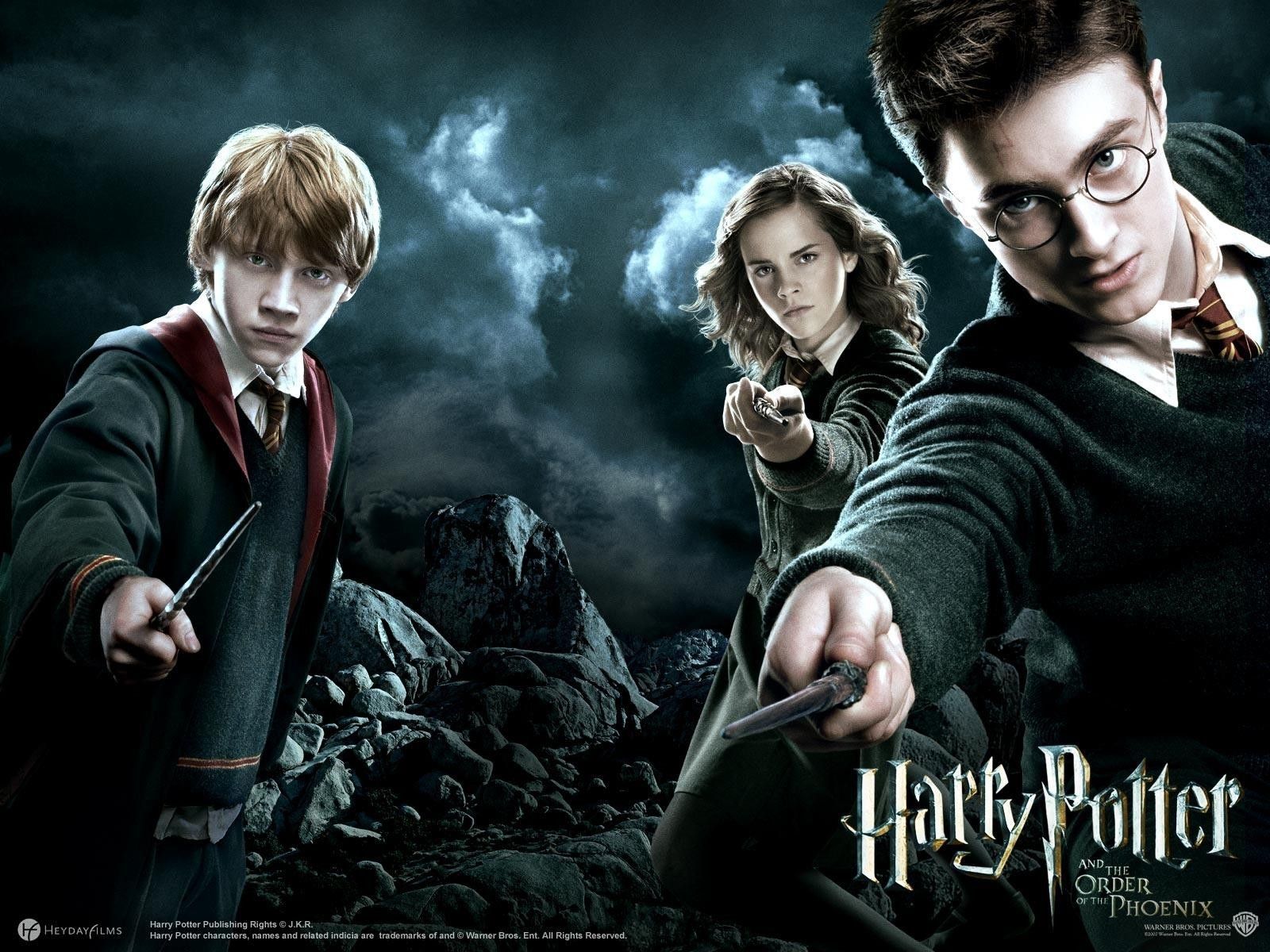
Everyone thinks they know Harry, Ron, and Hermione. We’ve seen the movies a thousand times. We’ve read the books until the spines cracked and the pages turned yellow. But honestly, when we talk about Harry Potter and the Golden Trio, we usually gloss over why they actually worked as a unit. It wasn't just magic or "the chosen one" tropes. It was the messy, often toxic, and deeply human friction between three kids who were essentially forced into a war before they could pass their OWLs.
They weren't perfect. Harry was frequently moody and borderline unbearable in Order of the Phoenix. Ron struggled with massive inferiority complexes that made him walk out when things got tough. Hermione could be condescending and narrow-minded. Yet, this specific alchemy is why they remain the blueprint for every "found family" dynamic in pop culture today.
The Real Power Dynamics of Harry Potter and the Golden Trio
Most people view the trio as a simple balance: Harry is the leader, Ron is the heart, and Hermione is the brain. That’s a bit too neat. It’s also kinda wrong. If you look at the actual text, the roles shifted constantly based on who was currently having a mental breakdown.
Take Hermione Granger. She isn't just "the smart one." She’s the ruthless one. She’s the person who kidnapped Rita Skeeter and kept her in a jar. She’s the one who placed a jinx on the D.A. sign-up sheet that literally scarred a girl's face. Without Hermione, Harry wouldn't have survived the first book, let alone the Horcrux hunt. She provided the logistical backbone for their entire rebellion.
Then you have Ron Weasley. The movies did him dirty by giving his best lines to Hermione. In the books, Ron is the one who understands the Wizarding World's social nuances. He’s the one who explains what "Mudblood" means or how wizarding families actually function. He provided the normalcy Harry craved. When Ron left in Deathly Hallows, the group didn't just lose a fighter; they lost their tether to the world they were trying to save.
And Harry? Harry is the catalyst. He’s the one with the "saving people" thing, as Hermione called it. His recklessness pushed them into situations they would have otherwise avoided, but his instinct for right and wrong kept the trio's moral compass centered even when the Ministry of Magic went dark.
Breaking the "Chosen One" Myth
We love a hero. But Harry Potter as a solo act would have failed by page fifty. The concept of Harry Potter and the Golden Trio is a direct subversion of the lone wolf archetype. J.K. Rowling didn't just give Harry sidekicks; she gave him a life support system.
Think about the Chess Match in Philosopher’s Stone. That wasn't just a cool set piece. It was a mission statement. Harry couldn't play every piece on the board. He needed Ron’s strategy and Hermione’s logic to even reach the final room. This theme repeats every single year. In Prisoner of Azkaban, they only survive the Shrieking Shack because they are together. In Goblet of Fire, Harry almost loses his mind when he and Ron aren't speaking. The isolation nearly kills him.
The magic isn't just in the wands. It’s in the collective effort.
Why We Still Care Decades Later
Why does this specific group still trend on TikTok? Why are there thousands of pages of fan fiction dedicated to their mundane conversations in the Gryffindor common room?
It’s the relatability of the conflict.
We’ve all had a friend like Ron who feels overshadowed by a more successful sibling or peer. We’ve all felt like Hermione, trying to prove ourselves through sheer academic force because we don't feel like we belong. And many feel like Harry—carrying a weight they didn't ask for.
The brilliance of Harry Potter and the Golden Trio lies in their arguments. They fought. A lot. They had petty jealousies. Ron’s jealousy of Harry’s fame and Harry’s frustration with Ron’s lack of focus felt real. It wasn't sanitized. When they finally reunite after Ron destroys the locket in Deathly Hallows, it’s a moment of genuine catharsis because it was earned through pain.
The Cultural Impact on Modern Storytelling
You see the fingerprints of the Golden Trio everywhere. From Percy Jackson to Stranger Things, the "Trio" formula has become a staple. But few manage to capture the same level of codependency.
- Percy, Annabeth, and Grover mirror the dynamic but lean more into Greek mythological roles.
- The Losers Club in IT expands the group, but the core focus remains on the bond against an adult world that refuses to listen.
- Team Avatar in The Last Airbender uses the "chosen one plus specialists" vibe, though with a more ensemble-focused growth arc.
The difference with Harry, Ron, and Hermione is the sheer amount of time we spent in their heads. We saw them grow from eleven-year-olds who didn't like each other to adults who were essentially a single unit.
What Most Fans Get Wrong About the Trio
There’s a common misconception that the trio was a democracy. It really wasn't.
Usually, it was Hermione making a plan, Harry nodding because he was distracted by his scar or a girl, and Ron complaining until he eventually did it anyway. But this lack of formal structure is what made them agile. They weren't an army. They were kids in a tent.
Another big mistake? Thinking they were the only important ones. Neville Longbottom and Luna Lovegood were essential. Ginny Weasley was the fiercest of them all. But the Golden Trio is the lens through which we see the world. Without that specific lens, the story loses its intimacy.
The stakes were always high. Death was always on the table. Sirius Black, Remus Lupin, Fred Weasley—the losses were staggering. But as long as the three of them were in a room together, there was a sense that the world hadn't completely ended yet.
Actionable Takeaways for Superfans and Writers
If you're looking to dive deeper into the lore or even write your own fiction, pay attention to the silence. The best parts of the Golden Trio's relationship aren't the big battles. They are the moments of quiet.
- Re-read the "Silver Doe" chapter. Look at how Ron and Harry communicate without saying a word. It's about shared history, not just dialogue.
- Analyze the flaws. If you're creating characters, remember that Hermione’s bossiness is just as important as her brilliance. Flaws are the glue of a group dynamic.
- Explore the "Missing Moments." There are years of off-screen time. Think about what they talked about during breakfast or while doing homework. That's where the bond was actually built.
The legacy of Harry Potter and the Golden Trio isn't about the boy who lived. It’s about the friends who made sure he stayed alive. It’s a reminder that even the most powerful dark wizards can be undone by three teenagers who refuse to give up on each other.
To truly understand the depth of this connection, look past the "Chosen One" narrative. Focus on the loyalty that survived a literal war. That’s the real magic.
Next Steps for Enthusiasts:
Start by revisiting the original text specifically focusing on the dialogue tags in Order of the Phoenix. Notice how the tension between the three reflects the growing external pressure from Voldemort and the Ministry. This provides the best case study on how external stress fractures—but ultimately strengthens—a core group dynamic. From there, compare the character development in the books versus the films to see where the cinematic "flattening" of Ron Weasley changed the perception of the trio's balance.