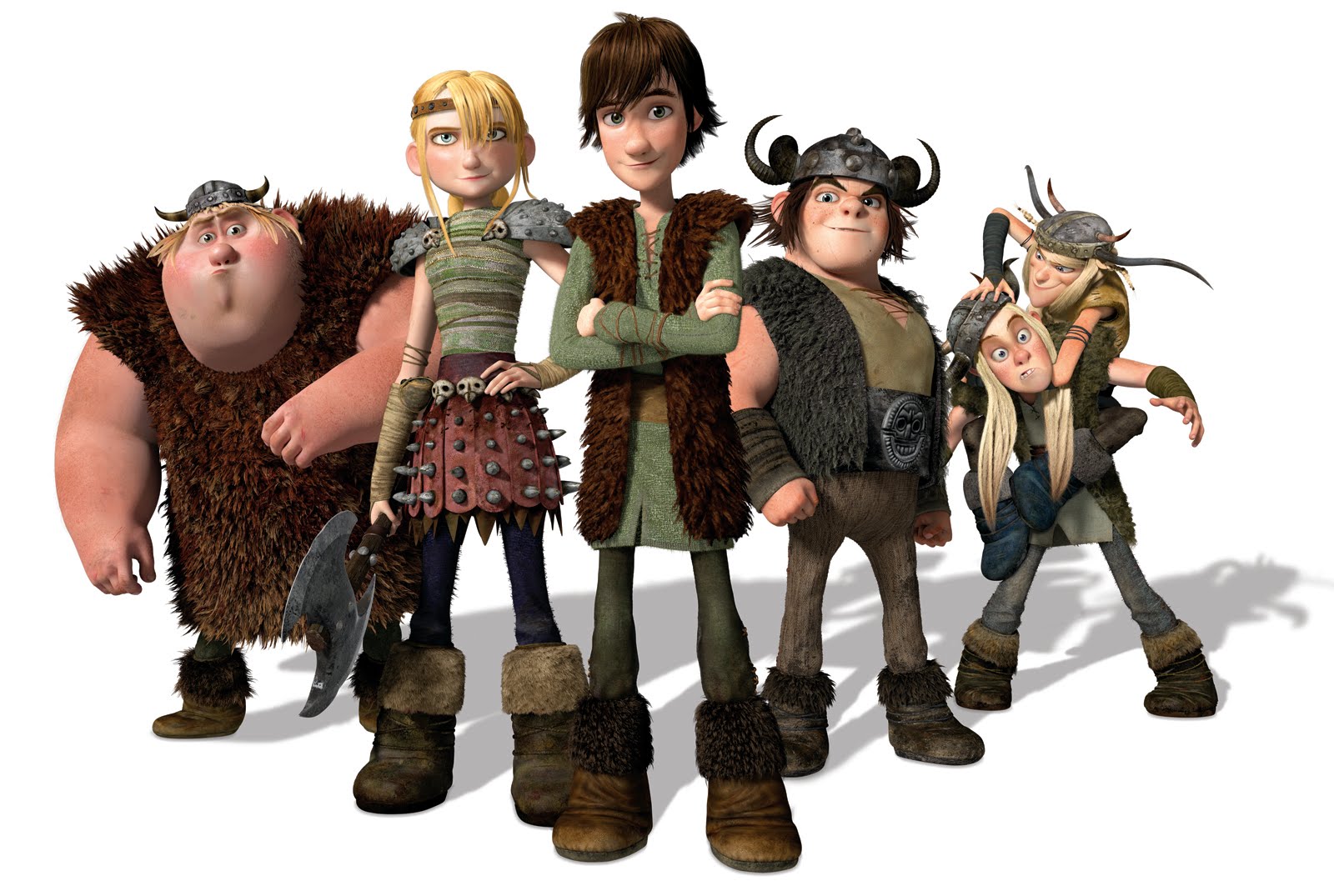
When you first meet the main character in How to Train Your Dragon, he is basically a walking disaster. He’s scrawny. He’s awkward. He’s the kind of guy who accidentally burns down half a village while trying to help. But that’s exactly why Hiccup Horrendous Haddock III—voiced by Jay Baruchel in the films—remains one of the most compelling protagonists in modern animation. He isn't some destined warrior with bulging biceps. He’s a nerd with a prosthetic leg and a mechanical mind.
Hiccup didn't just change the way Berk saw dragons; he changed how we look at heroes. Most people think of him as just "the guy who rides Toothless," but his journey across the books by Cressida Cowell and the DreamWorks film trilogy is a masterclass in evolving leadership. He starts as a social pariah and ends as the chief of a utopia. It’s a wild ride.
The Scrawny Viking Who Changed Everything
Berk is a place where "tough" is the only setting. If you aren't killing dragons, you’re basically invisible. This makes the main character in How to Train Your Dragon a complete anomaly. Hiccup’s father, Stoick the Vast, is the quintessential Viking—a mountain of a man who solves problems with an axe. Hiccup solves them with a charcoal pencil and a sketchbook.
Honestly, the tension between father and son is what grounds the whole franchise. It’s not just about fire-breathing lizards. It’s about the crushing weight of expectation. When Hiccup finally shoots down a Night Fury, he can’t bring himself to kill it. Why? Because he looked at the dragon and saw himself. He saw a creature that was just as scared and out of place as he was. That empathy is his true superpower. It isn’t bravery in the traditional sense; it’s the courage to be different when being different is dangerous.
Not Your Average Hero's Journey
Most hero stories follow a very specific path. The hero gets a sword, learns to fight, and saves the day. Hiccup’s path is messier. In the first film, his "victory" costs him his lower left leg. It’s a jarring, visceral moment for a PG movie. By the end of the first film, both the boy and the dragon are physically incomplete. They need each other to fly.
This symbiotic relationship is the heart of the series. Toothless isn't a pet. He's an equal. This shift in perspective—from dominion over nature to partnership with it—is what makes Hiccup’s arc so resonant. He didn't "tame" the dragon. He befriended it.
The Evolution of the Main Character in How to Train Your Dragon
By the time How to Train Your Dragon 2 rolls around, Hiccup is twenty. He’s still lanky, but he’s confident. He’s invented a flight suit. He’s mapped the world. This is where we see the main character in How to Train Your Dragon transition from an inventor to a diplomat. He tries to talk his way out of a war with Drago Bludvist.
It fails.
That’s a bold narrative choice. Usually, the "power of friendship" fixes everything in kids' movies. But here, Hiccup learns that some people don't want peace. The loss of his father in the second film is the turning point. He has to step up. He has to lead. The way he handles grief while taking on the mantle of Chief shows a level of maturity you rarely see in animated sequels. He isn't just the "dragon boy" anymore; he's the protector of a species.
The Book Version vs. The Movie Version
It’s worth noting that the Hiccup in the books is quite different from the one on screen. In Cressida Cowell’s original series, Hiccup is even more of an underdog. The dragons are smaller, and they speak a language called Dragonese. Hiccup is one of the few humans who can understand them.
While the movies are grander in scale, the books focus heavily on the idea of a "Hero who doesn't know he's a Hero." Book-Hiccup is a strategist. He wins through wit and endurance rather than aerial dogfights. Both versions share one core trait: they are fundamentally kind. In a world of brawn, they choose brain.
Why Hiccup Matters to Fans Today
There's something deeply relatable about a character who is constantly tinkering with himself. Hiccup is always upgrading his prosthetic leg, his dragon's saddle, and his fire sword. He's a DIY hero. For many fans, he represents the "outsider" who found a way to make the world bend to his vision rather than breaking himself to fit in.
- Innovation over Violence: He builds things. He creates solutions where others see only obstacles.
- Physical Vulnerability: His disability isn't a "weakness" to be cured; it’s a part of who he is. It’s rarely the focal point, but it’s always there, handled with incredible grace by the animators.
- Complex Masculinity: He cries. He expresses doubt. He loves his friends deeply. He’s a leader who listens rather than just shouting orders.
Dean DeBlois, the director of the film trilogy, once mentioned in an interview that the story was always about "the end of dragons." That makes Hiccup’s final act in The Hidden World so poignant. He has to let go. The main character in How to Train Your Dragon eventually realizes that the greatest act of love isn't possession—it's protection. By sending the dragons away, he ensures their survival.
Technical Brilliance: Designing a Relatable Chief
The animation team at DreamWorks did something subtle but brilliant with Hiccup’s design. If you look at his character model from the first movie to the third, his posture changes. He goes from a slumped-over, hesitant kid to a man who stands tall, even with a limp.
They also kept his facial features soft. Unlike the rugged, square-jawed Vikings of his tribe, Hiccup retains a gentleness in his eyes. This was a deliberate choice to show that he hadn't "hardened" into a typical warrior. He remained the boy who looked into the eyes of a Night Fury and saw a friend.
The Voice Behind the Viking
Jay Baruchel’s voice is iconic for this role. It’s nasal, it’s frantic, and it’s earnest. It’s hard to imagine anyone else bringing that specific blend of sarcasm and sincerity to the main character in How to Train Your Dragon. Baruchel has often spoken about how much he identifies with the character’s "scrappy" nature. That authentic connection shines through in every line delivery, especially during the emotional climax of the third film.
Actionable Takeaways for Fans and Creators
If you’re a writer or just a fan of the series, there are actual lessons to be pulled from how this character was built. Hiccup isn't a static icon; he's a living, breathing person who ages and changes in real-time across the series.
- Embrace the "Flaw": Hiccup’s biggest weakness (his lack of Viking strength) became his greatest strength (his ability to innovate and empathize). Look at your own perceived shortcomings as potential unique advantages.
- Prioritize Relationship Growth: The bond between Hiccup and Toothless works because it evolves. They have disagreements. They have to learn to communicate without words. Any great story needs a core relationship that isn't just "static friendship."
- Contextualize Leadership: Hiccup becomes a leader not because he wants power, but because he feels a responsibility to those he cares about. True leadership in fiction—and life—is often about service rather than status.
The legacy of the main character in How to Train Your Dragon is one of transition. He moved Berk from a culture of war to a culture of curiosity. He proved that you don't need to be the biggest person in the room to be the one who changes it.
To truly understand Hiccup's impact, re-watch the scene in the first film where he first touches Toothless. There is no dialogue. There is only a hand reaching out in the dark. That single gesture defined a decade of storytelling and cemented Hiccup as one of the most important characters in animation history. He didn't just train a dragon; he taught a whole generation that it’s okay to be the scrawny kid with a big heart.
Start by re-watching the original 2010 film to see the subtle cues of his engineering mind, then compare it to his strategic decisions in the final chapter. The growth is staggering when viewed back-to-back. It’s a masterclass in long-form character development that avoids the typical tropes of invincibility.