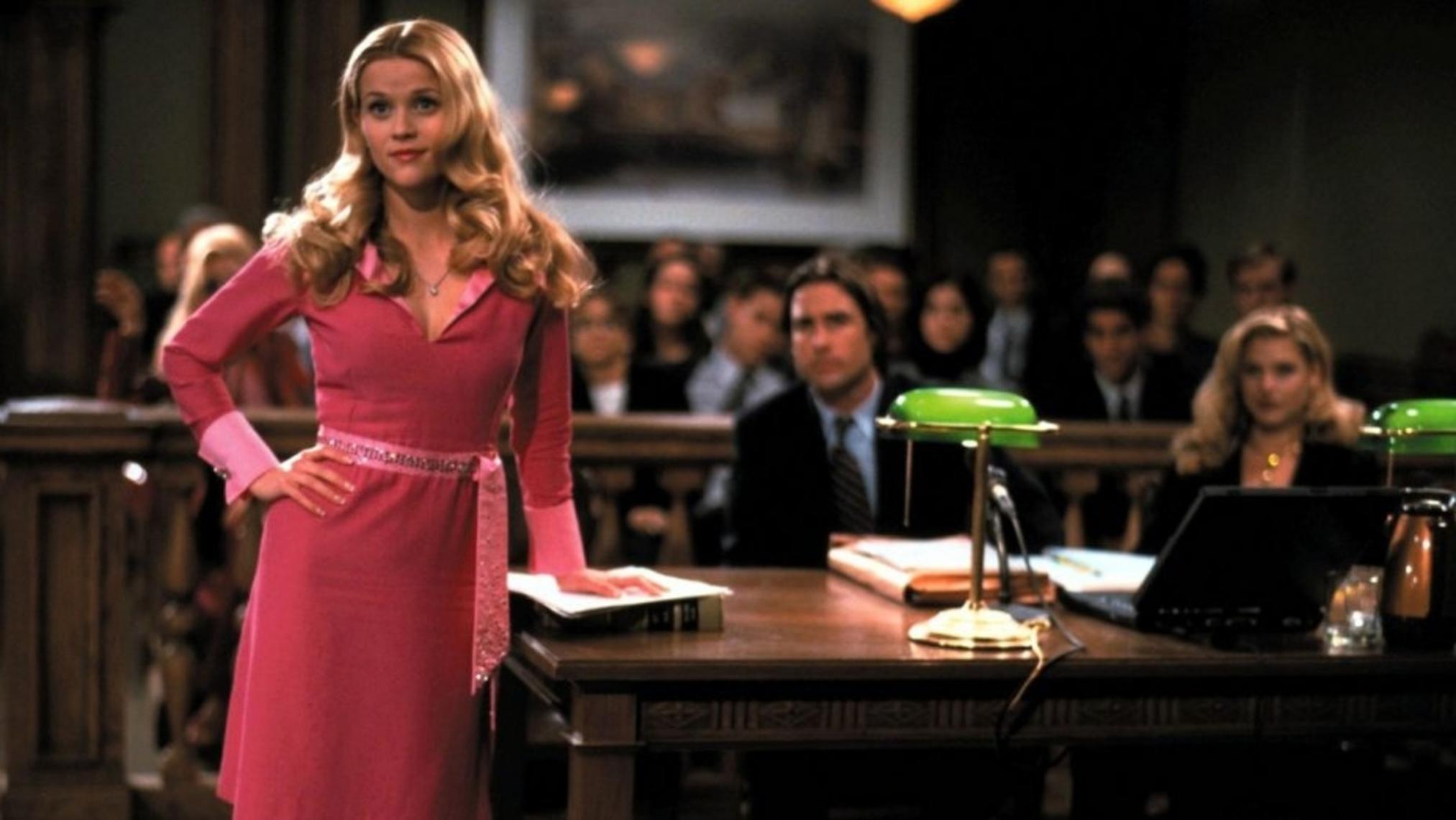
Twenty-five years ago, a movie about a girl in a pink bikini changed the way a whole generation of women looked at their own ambition. Honestly, when Legally Blonde first hit theaters in 2001, plenty of critics brushed it off. They saw a "chick flick." They saw a "dumb blonde" trope. They were wrong.
What they actually saw was the birth of Elle Woods, a character who would eventually become a Harvard Law icon and a symbol of unapologetic femininity. You’ve probably seen the memes. You’ve definitely heard the "Bend and Snap" referenced in casual conversation. But the movie with Elle Woods is more than just a collection of catchy quotes and great outfits. It’s a masterclass in staying true to yourself when the rest of the world is basically telling you to disappear.
The Elle Woods Effect: What People Get Wrong
Most people think Legally Blonde is just about a girl following a guy to school. That’s the setup, sure. Warner Huntington III dumps Elle because she’s "too blonde" and he needs a "Jackie," not a "Marilyn." It’s a classic setup for a revenge story. But the movie does something way smarter. It turns into a story about self-discovery that has nothing to do with the guy.
Elle Woods is a genius. No, seriously.
Think about the LSAT. The movie shows her grinding, skipping the parties she loves, and eventually scoring a 179. For context, that puts her in the top 0.1% of all test-takers. She didn't get into Harvard because of a sparkly video essay alone; she got in because she’s a powerhouse. Yet, when she arrives, she’s treated like a joke. She’s the girl with the Chihuahua, the girl who wears sequins to a "costume party" that turns out to be a regular dinner.
What’s wild is that Elle never becomes "hard" to fit in. She doesn't trade her pink suits for gray blazers to be taken seriously. She brings her knowledge of perm maintenance into a murder trial and wins. She proves that being "girly" isn't a deficit of intelligence. It’s just another way of being smart.
Production Secrets: It Almost Wasn't Harvard
Did you know Harvard University wasn't actually the first choice for the film? The producers originally looked at other Ivy League schools, but they weren't exactly thrilled with the "dumb blonde" premise. Harvard eventually agreed to let the production use its name, but they didn't allow filming on campus. If you look closely at those "Harvard" hallways, you're actually seeing UCLA, USC, and even a high school in Pasadena.
And then there’s the cast. It's hard to imagine anyone but Reese Witherspoon as Elle, but she had to fight for the role. There were rumors that the studio was looking at other actresses who fit a more traditional "sex symbol" mold. Reese, however, obsessed over the character. She spent time with real sorority girls to get the mannerisms right without making them a caricature.
The Contract That Changed Everything
Reese was savvy. Like, Elle Woods levels of savvy. She actually had a clause in her contract that allowed her to keep every single one of the 60+ outfits she wore in the movie. Imagine having that closet. She later told reporters that she kept them all in storage, including the iconic pink halter dress from the trial.
Why the World is Still Obsessed in 2026
Fast forward to 2026, and the "Elle-verse" is bigger than ever. We aren't just talking about the original film anymore. The movie with Elle Woods sparked a massive franchise that includes:
- Legally Blonde 2: Red, White & Blonde: Where Elle takes on D.C. for animal rights.
- Legally Blonde: The Musical: A Broadway smash that actually added more depth to the Paulette and Emmett storylines.
- Elle (The Prequel Series): The 2026 Amazon Prime series starring Lexi Minetree, which takes us back to Elle’s high school days in the '90s.
- Legally Blonde 3: The long-awaited sequel penned by Mindy Kaling, which is currently the subject of endless release date speculation.
The reason we’re still talking about this is simple: the movie handles things like sexual harassment and institutional bias way before they were mainstream "conversations." When Professor Callahan makes a move on Elle, it’s a gut-punch. It’s the moment she realizes that her hard work might be eclipsed by a powerful man's ego. Her decision to walk away—and then come back on her own terms—is why she’s a feminist icon.
Actionable Takeaways from the Elle Woods Playbook
If you’re looking to channel a bit of that Harvard Law energy into your own life, here’s how to do it without the $200,000 tuition:
- Stop Dimming Your Light: If you love "frivolous" things, don't hide them to look professional. Authenticity is a magnet for success.
- The 179 Mindset: When people underestimate you, let them. Then, outwork everyone in the room. Use their low expectations as your secret weapon.
- Find Your Paulette: Everyone needs a friend who sees their worth when they’re feeling like a "Marilyn" in a "Jackie" world.
- Know Your Worth: Like Reese with her costume clause, don't be afraid to negotiate for what you want.
The legacy of the movie with Elle Woods is that you don't have to change who you are to change the world. You just need a little bit of faith in yourself—and maybe a really good pair of shoes.
Next time you’re facing a challenge that feels "too hard," just remember: Elle Woods got into Harvard Law because she decided she wanted to. What’s stopping you?